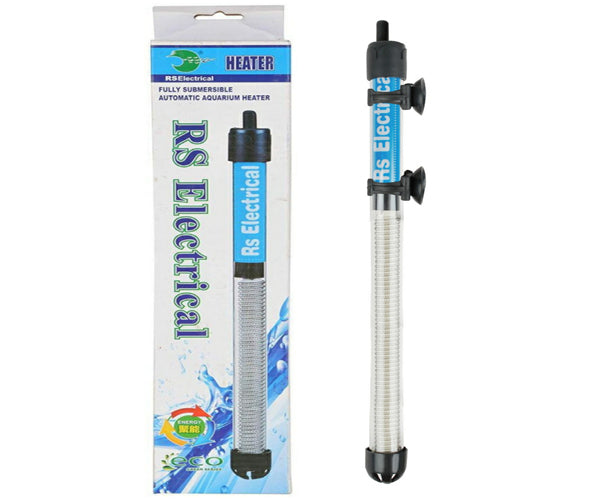
About & Function
The RS 25W is a compact submersible aquarium heater built for the smallest end of the hobby — nano tanks, small bowls, and betta housing. Most tropical freshwater fish, from bettas to guppies to tetras, come from warm regions and simply cannot thrive at the room-temperature swings a typical home experiences, especially overnight or through a cold season, which is exactly the gap a heater like this is built to close.
Inside, a heating element and an internal thermostat work together: the thermostat monitors the surrounding water and switches the element on and off to hold the water at a set target temperature, rather than heating continuously and overheating the tank. A small integrated dial or fixed-temperature design lets you set (or, on preset models, rely on) a stable target in the low-to-mid tropical range.
At only 25 watts, this heater is sized specifically for very small volumes of water — it does not have the output to meaningfully warm anything beyond a small bowl or nano tank, and using it in a larger tank would leave the water well below target, especially in a cold room.
A stable, correctly-heated tank isn't just about comfort — sudden or ongoing temperature swings are one of the more common stressors that weaken fish immune systems and make disease outbreaks more likely.
Requirements
This is a mains-powered submersible heater — it plugs into a standard wall outlet and sits fully underwater to do its job.
Power: runs on standard household AC mains through its cord; at 25W the running cost is minimal, but it must be fully submerged before being plugged in, since heating elements can crack or fail if powered on dry.
Tank size fit: as a rough industry rule of thumb (roughly 5 watts per gallon for smaller volumes), 25W realistically suits tanks in the range of a small bowl up to around 5 gallons (roughly 19 litres) — anything larger will likely struggle to reach or hold target temperature, especially in a cool room.
Placement: position it near a water flow path (close to a filter outlet if one is present) so heat distributes evenly rather than pooling in one spot; never let it rest directly against the glass or substrate.
Safety: always unplug before doing water changes that would expose the heater to air, and give it several minutes to cool before removing it from water — a hot heater exposed to room-temperature air (or worse, cold tap water on a still-hot element) can crack.
Uncovered bowls: an open-top bowl loses heat to evaporation faster than a covered tank, so a small heater working in an open bowl may need to run more often than the same wattage would in a lidded setup of the same volume.
Compatibility
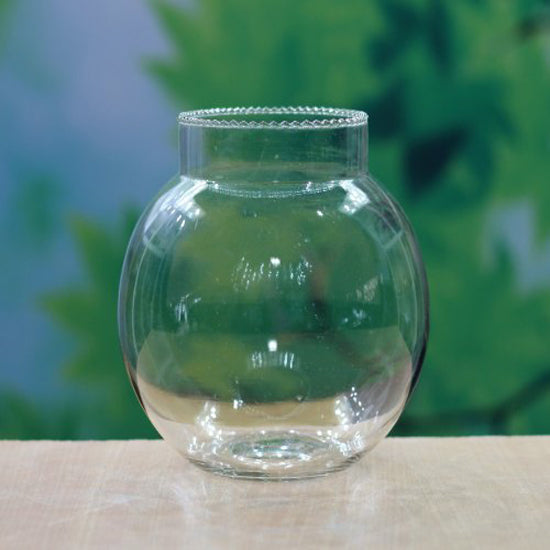
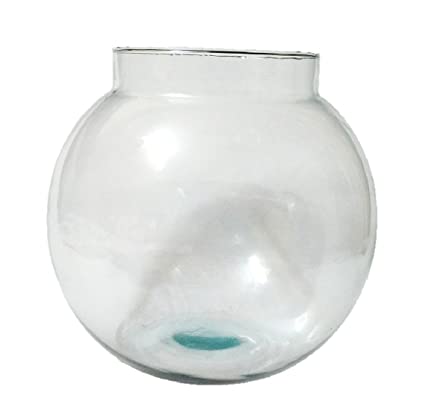
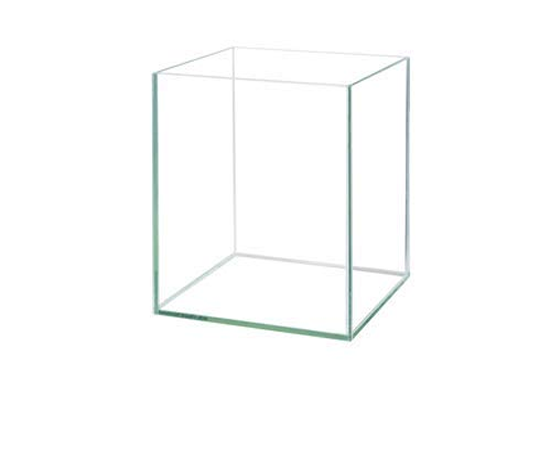
Specifications & Maintenance
Realistic specifications and upkeep for this heater:
- Wattage: 25W, suited to roughly a small bowl up to ~5 gallons (~19 litres).
- Target temperature: tropical freshwater range, generally 24–28°C (75–82°F) depending on species — check the specific needs of your fish, as some (like certain bettas) prefer the warmer end of that range.
- Verify with a separate thermometer: a heater's own dial or preset is a starting point, not a guarantee — always confirm actual water temperature with an independent thermometer, especially in the first days after setup.
- Cleaning: wipe the glass tube gently with a soft cloth during water changes to remove mineral scale or algae film buildup, unplugged and cooled first.
- Replacement: heaters can fail either stuck-off (tank slowly cools) or, less commonly but more dangerously, stuck-on (tank overheats) — periodic temperature checks catch both, and a heater that's behaving erratically should be replaced rather than trusted.
- Adjustment settling time: after changing the setting, allow a few hours for a small volume of water to stabilise at the new temperature before rechecking, since small tanks can also overshoot briefly right after an adjustment.
- Draft and placement awareness: a bowl or nano tank sitting near a window, air conditioner, or draughty spot loses heat faster than a stable room-temperature location — moving it away from direct drafts reduces the load on a small heater.
With a stable setup, sensible placement, and periodic temperature checks, a small heater like this reliably holds a nano tank or bowl at a safe, consistent temperature.