About & Origin
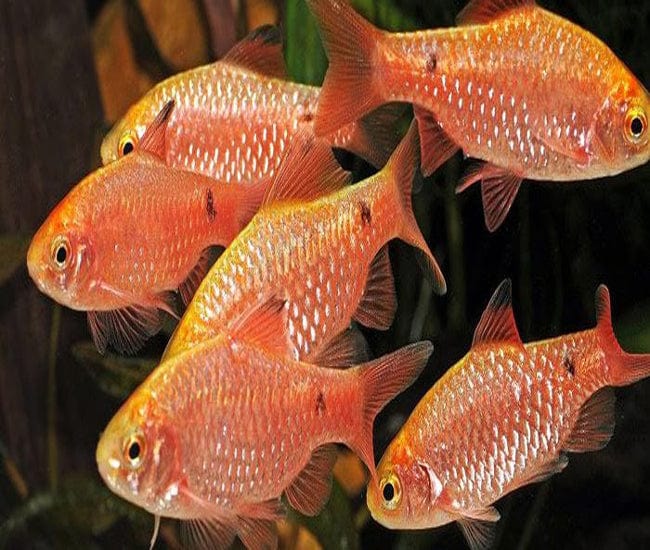
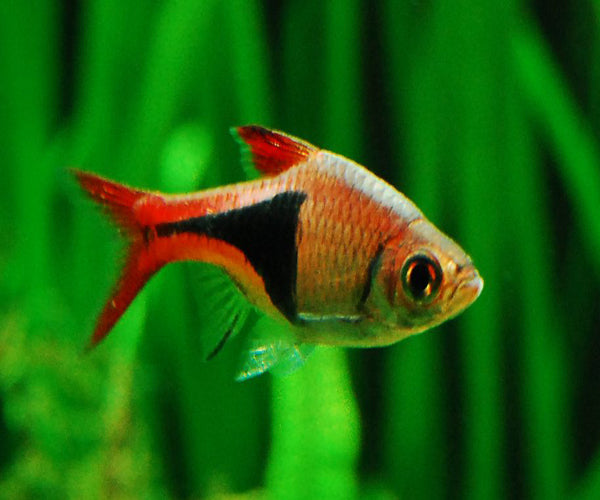
The Rosy Barb (Pethia conchonius) is a small, active barb species that hails from the cooler streams, rivers, and floodplains of northern India, Bangladesh, and Nepal — waters that run noticeably cooler than the tropical rainforest streams most aquarium barbs come from, often at elevations where seasonal temperature swings are far greater than a typical Southeast Asian lowland stream.
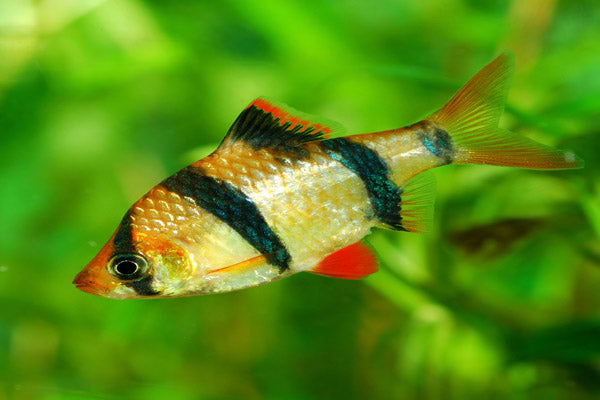
Males develop a striking rosy-pink to red body colour, especially in breeding condition, with females staying a more muted silver-gold. It's a robust, active shoaling fish that's been popular in the hobby for well over a century thanks to its hardiness and easy-going temperament, and one of the larger commonly kept barbs, growing noticeably bigger than tiger or cherry barbs.
Because of its cool-water origin, the Rosy Barb is one of the few "tropical" barbs genuinely suited to an unheated tank in many climates, making it a popular choice for cold-water or low-tech community setups, including outdoor or unheated indoor ponds in warmer regions during milder months.
Like most barbs, it's an egg-scattering spawner with no parental care of eggs or fry, and a conditioned group will breed readily in cooler water given fine-leaved plants to scatter eggs over. With good care Rosy Barbs typically live 4 to 6 years, and their combination of size, colour, and cold tolerance has kept them a distinctive choice among barb keepers for generations.
A long-finned "veiltail" form has also been developed through selective breeding, alongside an albino/orange colour variant, giving buyers a few distinct looks within the same easy-care species. Because it tolerates cooler water so well, the Rosy Barb is also occasionally kept in outdoor ponds during warmer months in temperate regions — something few other commonly available tropical barbs can do — though it should always be brought back indoors before real cold sets in, since it's cold-tolerant, not frost-hardy.
Requirements
Rosy Barbs are hardy, active, and easy to keep, with few special demands beyond the basics.
Group size: keep 6 or more — a proper shoal keeps them calmer and shows off male colour better through natural competition, and a slightly female-leaning ratio helps spread male attention out.
Tank size: a 20-gallon (75L) long tank suits a group well; they grow a bit larger than many other barbs (up to around 10–14cm/4–5.5in) and are active swimmers that appreciate horizontal space and room to build speed.
Temperature: notably cold-tolerant — comfortable in unheated tanks in most temperate climates, though they do equally well at standard tropical temperatures, giving keepers real flexibility in setup.
Diet: omnivorous and unfussy — quality flake or pellet as a staple, with occasional live or frozen foods (daphnia, bloodworm, brine shrimp) for conditioning and best colour.
Tankmates and decor: their larger size and active swimming make them a good match for other medium, robust community fish rather than very small or delicate species; open swimming space with some planted margins suits their natural behaviour well.
Filtration: because they're larger and more active than most community barbs, they benefit from filtration sized generously for the tank rather than the bare minimum — strong, stable water quality matters more for this species' long-term health than any single water-chemistry parameter.
Unheated setups: a genuine option for anyone wanting an active, colourful shoaling fish in a cooler, unheated tank — just avoid mixing them with true warm-water tropicals that would be uncomfortable at Rosy Barb temperatures.
Acclimation: a slow drip acclimation over 20–30 minutes reduces stress in newly arrived stock, especially useful given how sensitive most fish are to abrupt temperature changes right after transport, even a cold-tolerant species like this one.
Compatibility
Water & Care Conditions
One of the most cold-tolerant barbs commonly kept, which makes it flexible on setup:
- pH: 6.5–7.5
- Water hardness: soft to moderately hard, roughly 5–15 dGH
- Temperature: 18–22°C (64–72°F) ideal, tolerates up to about 26°C (79°F) — can be kept unheated in many rooms
- Oxygenation: not demanding; standard community filtration and flow is sufficient
- Water changes: weekly 20–25% partial changes suit this larger, more active barb's higher bioload
Rosy Barbs are forgiving of normal fluctuations as long as the water stays clean — their cool-water tolerance is an advantage, not a strict requirement, since they also do fine at standard tropical temperatures. Being larger and more active than most community barbs, they do produce more waste, so filtration sized generously for the tank matters more here than for smaller shoaling species.
They're generally disease-resistant and one of the hardier barbs against ich and common bacterial issues, provided ammonia and nitrite stay at zero. If breeding, cooler water (around 18-20°C) combined with fine-leaved plants tends to trigger spawning reliably in a conditioned group; adults should be removed afterward since, like most barbs, they'll eat their own eggs given the chance.
Dose any medication to the tank's true water volume, not its nominal size, and be aware that this larger, more active species can sometimes need slightly more generous dosing consistency than smaller barbs simply because of its higher bioload, larger body mass, and generally faster overall metabolism compared with smaller shoaling barbs.
They're a genuinely hardy, disease-resistant fish overall; the main risk is the same as for most barbs — ich following a sudden temperature swing or introduction of an unquarantined new fish — so gradual acclimation and, where practical, a quarantine period for newcomers are worthwhile precautions.