

About & Function
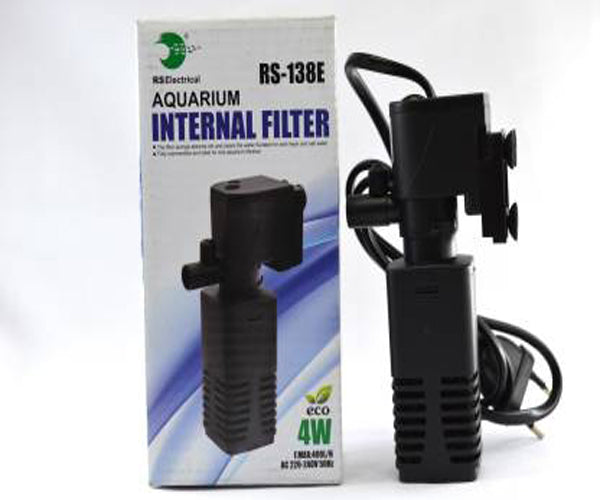
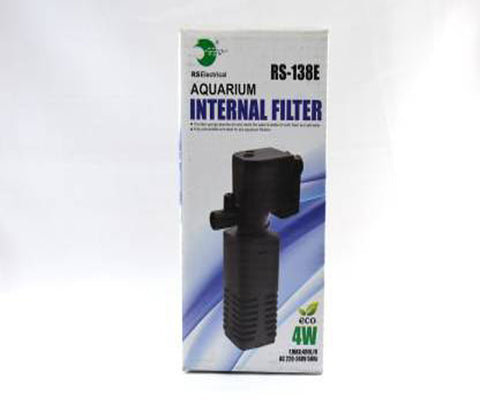
The RS 138F is the largest submersible internal filter in this line, built for medium freshwater aquariums or more heavily stocked tanks that outgrow the smaller 118F and 128F models. Like other internal filters, it sits entirely inside the tank, drawing water through an intake, pushing it through a sponge or cartridge filter media, and returning filtered, oxygenated water through a spray bar or outlet nozzle.
Filtration handles three jobs at once: mechanical filtration traps floating debris and uneaten food; biological filtration hosts colonies of beneficial bacteria on the sponge media that convert toxic ammonia and nitrite from fish waste into much less harmful nitrate; and the outflow itself helps circulate and oxygenate the tank. Biological filtration is the part that keeps fish genuinely healthy long-term, which is why this filter's sponge should be rinsed gently rather than replaced outright — full replacement wipes out that bacteria colony.
Internal filters at this larger tier still offer the same practical advantages as the smaller models — compact, no external hoses or plumbing to leak, simpler to install than a canister system — while providing meaningfully more flow and media volume to handle a bigger bioload.
As the top of the RS-F internal filter range (above the 118F and 128F), the 138F is the right choice once a tank or its stocking level outgrows what the smaller models are rated for, without necessarily needing to step up to an external hang-on or canister filter.
Requirements
This is a mains-powered submersible filter — it plugs into a standard wall outlet and must remain fully underwater while operating.
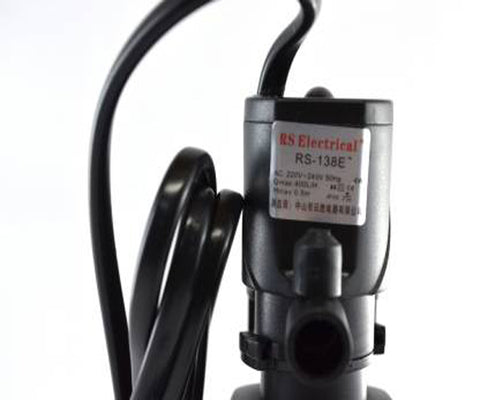
Power: runs on standard AC mains through its cord; like any submersible electrical equipment, it must stay fully submerged whenever it's plugged in.
Tank size fit: as the largest model in this internal-filter range, the 138F suits medium tanks or more heavily stocked smaller tanks — genuinely large aquariums are usually better served by a hang-on power filter or external canister with higher flow capacity than any internal filter can provide.
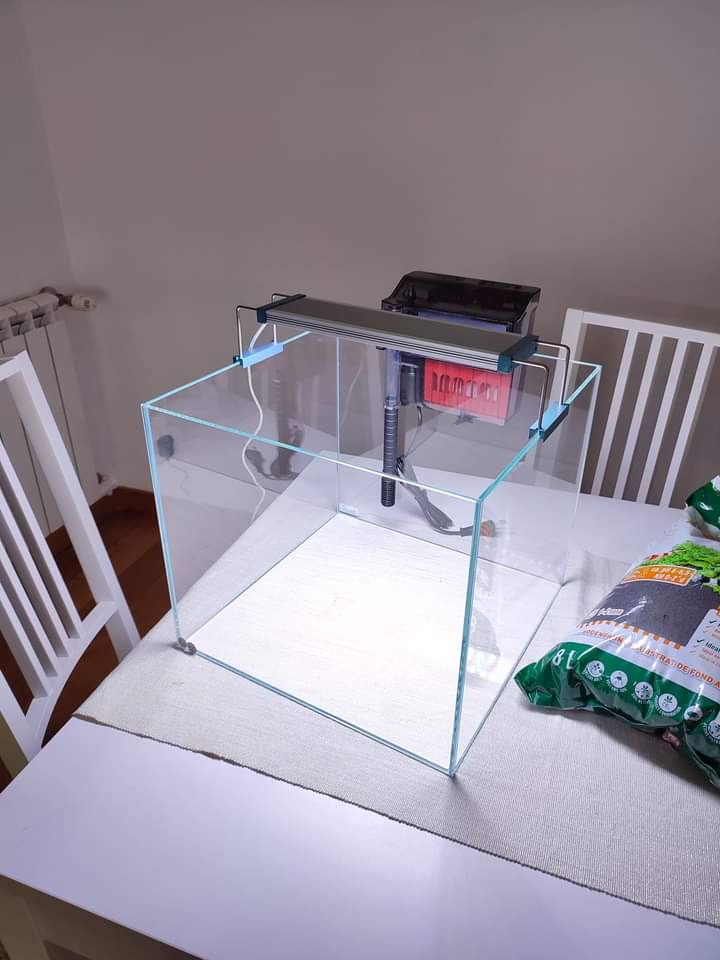
Installation: mounts via suction cups against the inside glass, fully submerged; position the outlet to create good overall circulation without creating an overly strong current that stresses slow-swimming or long-finned fish.
Cycling: a new filter needs several weeks to build up the beneficial bacteria colony that processes fish waste — stock the tank gradually, or seed the sponge with media from an already-established filter, rather than fully stocking on day one.
Noise as a diagnostic: a correctly primed, healthy filter runs with a quiet, steady hum; a rattle or buzz usually points to a debris-clogged impeller or a unit that needs re-priming with water.
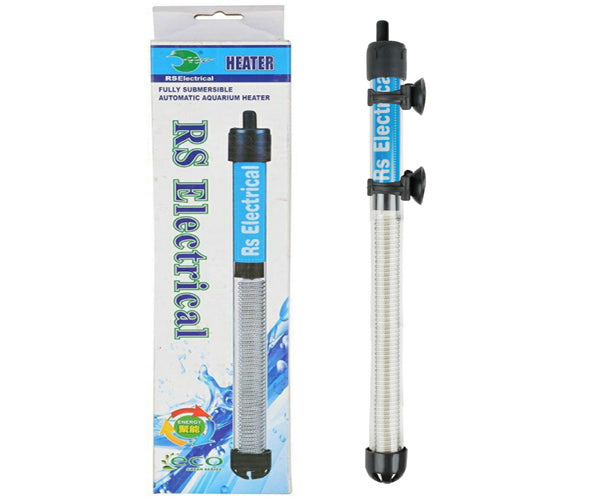
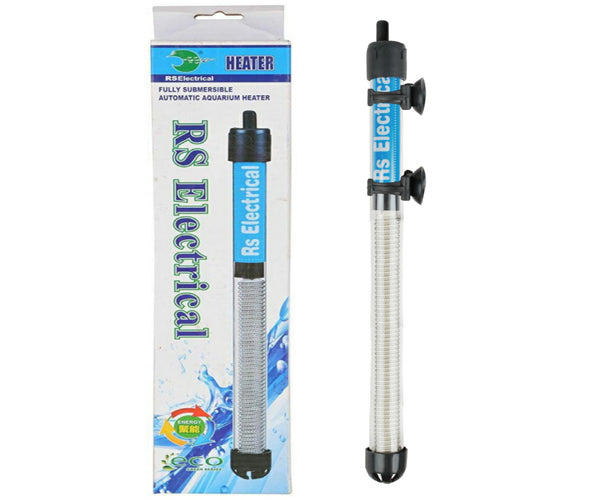
Pairing with a heater: positioning the outlet flow near a heater helps distribute warmed water evenly through a larger tank rather than letting temperature stratify between the heater and the far end of the aquarium.
Compatibility
Specifications & Maintenance
Realistic specifications and upkeep for this filter:
- Sizing: the largest of the RS internal filter tiers (118F/128F/138F), suited to medium or more heavily stocked tanks.
- Sponge/media cleaning: rinse the filter sponge in removed tank water (never tap water, whose chlorine kills the beneficial bacteria) roughly every 2–4 weeks, or sooner if flow visibly drops — squeeze gently to clear trapped debris without stripping out the bacteria colony.
- Never replace all the media at once: this wipes out the biological filter and risks an ammonia spike — stagger media replacement over time instead.
- Impeller check: if flow drops noticeably even after cleaning the sponge, check the impeller for trapped debris or wear, a common cause of reduced output.
- Continuous operation: designed to run 24/7 — switching it off for extended periods starves the bacteria colony of oxygenated flow and lets it begin to die back.
- Outlet check: periodically confirm the spray bar or nozzle is still angled for good overall circulation rather than pointed at decor or the glass.
- Power outage recovery: after any extended power loss, verify the filter restarts and primes properly rather than assuming it has — a filter that fails to reprime can run dry and overheat its motor.
With periodic sponge rinsing and continuous operation, this filter reliably keeps a medium or moderately-stocked tank clear and biologically stable for years of service.