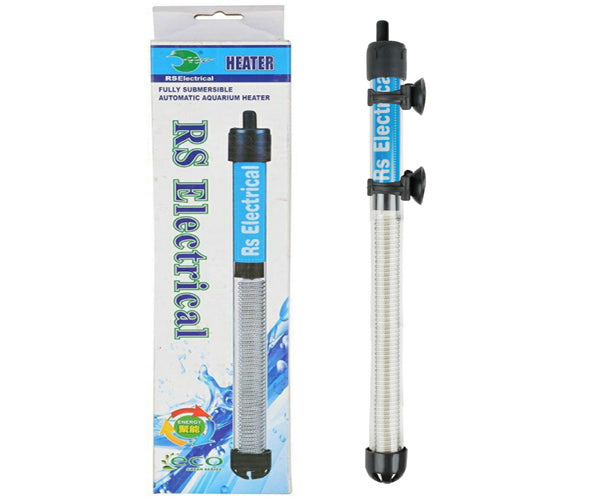
About & Function
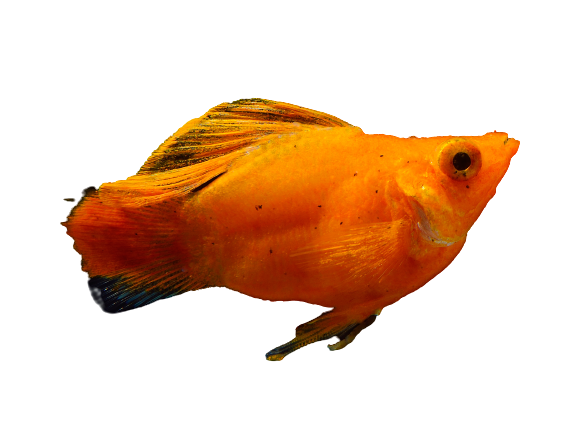
The RS 150W is a submersible aquarium heater built for medium-sized freshwater aquariums, stepping up from smaller nano/bowl-scale heaters to handle a genuinely popular mid-range tank size. The overwhelming majority of tropical fish kept in home aquariums — tetras, barbs, gouramis, livebearers, many community cichlids — need consistently warm water year-round, something most rooms cannot reliably provide without artificial heating, particularly overnight or through cooler months.
Like other heaters in this range, it pairs a heating element with an internal thermostat that continuously monitors water temperature and switches the element on and off to hold a set target, rather than heating indefinitely. This automatic regulation is what keeps a tank at a stable, safe temperature instead of overheating or drifting cold when room conditions change.
At 150 watts, this heater has enough output for a solidly medium-sized aquarium — larger than what a 100W unit is comfortably rated for, and a common choice once a tank grows past the smaller end of the "beginner community tank" range.
Stable heat matters for more than comfort: fluctuating temperatures are a well-documented stressor on fish immune systems, making them measurably more vulnerable to disease, so matching heater output correctly to tank size is one of the more consequential equipment decisions in a tropical setup.
Requirements
This is a mains-powered submersible heater — it plugs into a standard wall outlet and must be fully submerged to operate safely.
Power: runs on standard AC mains through its cord; never power it on while the heating element is out of the water, as this risks cracking the element or causing a fire.
Tank size fit: using the common rule of thumb of roughly 5 watts per gallon for tanks up to about 55 gallons, 150W comfortably suits tanks in roughly the 25–30 gallon range (about 95–115 litres) under normal room conditions — a colder room, or a tank against an exterior wall, may benefit from sizing up or adding a second heater.
Placement: position it near an area of good water circulation (close to a filter outlet is ideal) so heat distributes evenly rather than pooling near the unit; keep it clear of the substrate and away from direct glass contact.
Safety: always unplug before water changes that would expose it to air, and allow several minutes to cool before removing it from the water to avoid thermal shock cracking the element.
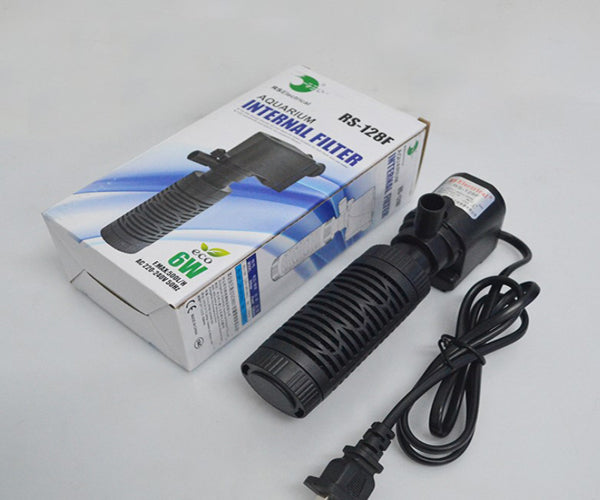
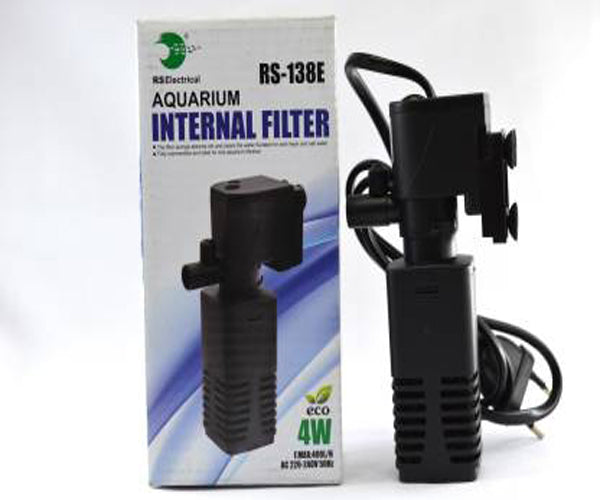
Pairing with filtration: running this heater alongside a correspondingly rated filter helps circulate warmed water evenly through the tank rather than letting a warm pocket form near the heater itself while the far side of the tank lags behind.
Compatibility
Specifications & Maintenance
Realistic specifications and upkeep for this heater:
- Wattage: 150W, suited to roughly a 25–30 gallon (~95–115 litre) tank under typical room conditions.
- Target temperature: general tropical freshwater range, typically 24–28°C (75–82°F) — confirm the specific needs of your fish species, since some prefer the warmer end of that range.
- Always verify with a separate thermometer: the heater's built-in dial is a starting reference, not a guarantee of actual water temperature — check independently, especially during the first week after setup.
- Cleaning: wipe the tube gently with a soft cloth during water changes to clear mineral scale and algae film, unplugged and cooled first.
- Failure modes: heaters can fail stuck-off (tank slowly cools) or, less often but more seriously, stuck-on (tank overheats) — periodic temperature checks catch both; a heater behaving erratically should be replaced rather than trusted further.
- Adjustment settling time: after changing the target dial, allow several hours for the heater to stabilise at the new setting before rechecking, rather than judging it immediately after adjustment.
- Seasonal awareness: a heater set correctly in summer may need a slightly higher setting once colder months arrive and ambient room temperature drops, particularly in rooms without central heating.
With correct sizing and regular temperature checks, a 150W heater like this reliably holds a medium community tank at a stable, safe temperature across seasonal changes.