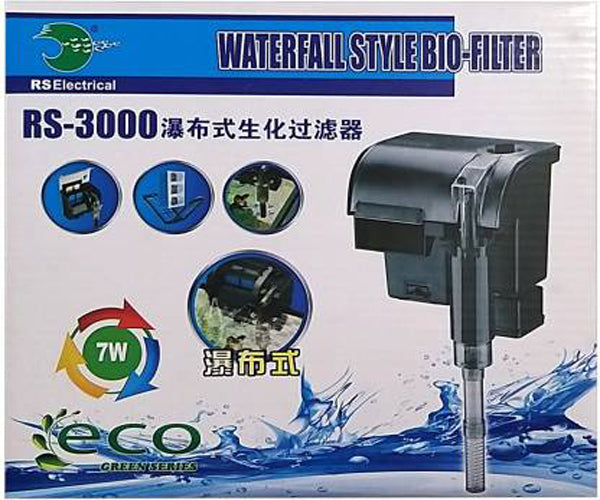


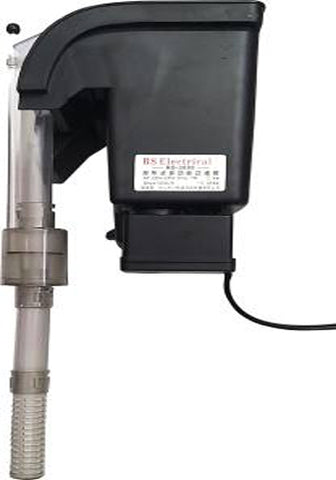
Product Name: Waterfall Style Bio-Fileter RS-3000
Type: Aquariums & Accessories
Aquarium & Accessory Type: Filters & Accessories
Color: Black
Brand Name: RS Electrical
Style: Freestanding
Model Number: RS-3000
Material: Plastic. Electronics. Metal components
Voltage: 220-240V
Frequency: 50 Hz
Power: 7 W
Flow: 1600L/H (even good for 3-4 ft tank)
About This Product
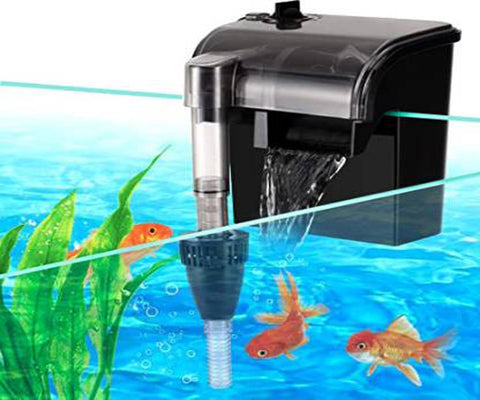
The RS-3000 is a waterfall-style hang-on-back (HOB) bio-filter from RS Electrical -- a freestanding unit that clips onto the rim of the tank, draws water up from inside, passes it through internal filter media, and returns it to the tank as a gentle cascading "waterfall" flow over the back edge. This style of filter is popular because it's easy to install and remove for maintenance without needing to disturb anything inside the tank itself.
Like all hang-on-back filters, the RS-3000 provides two of the three pillars of aquarium filtration in one unit: mechanical filtration (trapping floating debris and uneaten food as water passes through the media) and biological filtration (the media becomes a home for beneficial bacteria that convert toxic ammonia and nitrite into much safer nitrate). The visible waterfall return also adds helpful surface agitation and oxygen exchange, which benefits the whole tank.
Rated for a real flow rate of 1600 litres/hour, RS Electrical positions this model as suitable for tanks up to around 3-4 feet in length -- genuinely mid-sized aquariums, not just small nano setups.
Hang-on-back filters like this one occupy the middle ground between simple internal filters and more expensive canister systems -- more capacity and easier media access than a small internal filter, without the plumbing and cost of a full external canister setup.
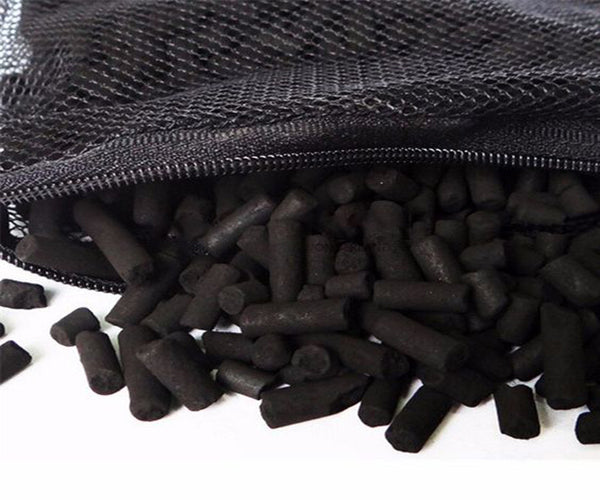
The internal media chamber typically holds a layered stack -- a coarse mechanical sponge or floss stage to catch particulate debris first, followed by a biological media stage (often ceramic rings, bio-balls, or a similar high-surface-area material) where the nitrifying bacteria colony actually establishes itself. Some hang-on filters also offer a slot for chemical media like activated carbon, useful for polishing water clarity or pulling out tannins/odours, though this is optional rather than required for basic operation.
Being an external, rim-mounted unit rather than fully submersible, the RS-3000 is also easier to access for a quick visual check or media rinse than an internal filter buried in the substrate or behind decor -- a practical advantage for routine maintenance on a busy schedule.
Requirements
The RS-3000 runs on standard mains power (220-240V, 50Hz, rated at 7W), so it needs a nearby outlet and, as with any submersible-adjacent aquarium electronics, a drip loop on the cable (a small downward dip before the plug) is good practice to keep water from tracking toward the socket.
Being a hang-on-back design, it clips onto the tank's rim and needs the water level to sit within its intended operating range to draw water properly -- check the tank's rim thickness and water level against the unit before buying if the tank is unusually shaped. At a rated 1600L/H and suitability up to roughly 3-4ft tanks, it's sized for a genuine mid-sized aquarium; a much larger or heavily-stocked tank may need a stronger canister filter instead, or this unit as a secondary filter alongside one.
Like any new filter, it needs time (several weeks) running in a cycling tank before it's providing full biological filtration -- this is true of any filter media, not specific to this model.
The visible waterfall return also means some splash/noise is normal and part of how this filter style operates -- placement slightly back from the tank's front glass, or a small baffle, can reduce splash if it's a concern for the setup's location.
Before priming for the first time, most hang-on-back units need the intake tube filled with water (either by submerging it briefly or using a built-in priming mechanism if the unit has one) to start the siphon effect that keeps water flowing continuously once running -- check the included instructions for the specific priming method on this model.
If running this alongside another filter (rather than as the tank's sole filtration), make sure the combined flow doesn't create excessive current for the fish being kept -- some species, particularly slow-swimming or long-finned ones, do better with a single well-sized filter than two units running together at full output.
Compatibility
Specifications & Maintenance
- Power: 220-240V, 50Hz, 7W -- standard mains power via the included plug
- Flow rate: 1600 litres/hour, suitable for tanks up to roughly 3-4 feet
- Style: freestanding hang-on-back (HOB) waterfall-return filter, plastic housing with electronic/metal internal components
- Cleaning: rinse the internal media in removed tank water (never tap water, which kills the beneficial bacteria) every 2-4 weeks depending on stocking level
- Wear parts: the internal impeller/motor is the part most likely to eventually need attention if flow noticeably weakens -- check for debris caught in the intake first, which is the more common cause of reduced flow
- Housing material: plastic housing with electronic and metal internal components, per the manufacturer's listed materials
- Noise/splash: some sound and splash from the waterfall return is normal; positioning and water level can reduce this if needed
- Media replacement: rinse mechanical/biological media rather than replacing it outright at each cleaning; swap only the chemical media stage (activated carbon, if used) on its own schedule since it's designed to be consumed and replaced periodically
- Priming: if flow stops or the waterfall runs dry, check that the siphon hasn't broken (common after a water level drop or a knock) and re-prime as needed
- Power outage recovery: after any extended power loss, check that the filter restarts properly and re-primes rather than running dry, since some units need a manual restart
- Impeller check: periodically inspect the impeller (the small internal spinning part) for hair, plant matter, or debris wrapped around it -- a common, easily fixed cause of reduced flow or unusual noise over time
- Expected lifespan: the motor/impeller assembly in a filter like this typically lasts several years of continuous use with routine cleaning; a sudden increase in noise or a drop in flow that persists after cleaning is usually the first sign it's nearing replacement