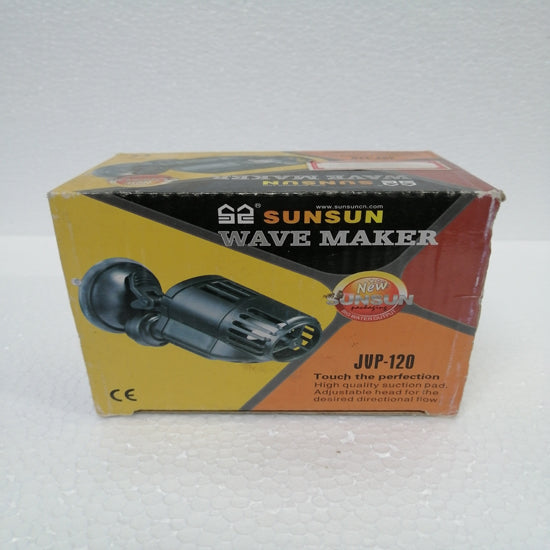
About & Function
A wave maker (also called a circulation or powerhead pump) is a submersible pump built purely to move water, not to filter it. The Sunsun JVP-120 sits inside the tank and pushes out a strong, directed current, improving overall water circulation rather than trapping debris or hosting bio-media the way a filter does.
Good circulation matters for reasons beyond just "flow": it prevents dead spots where waste and detritus settle undisturbed, helps distribute heat evenly so the whole tank isn't reliant on water near the heater, and improves gas exchange by constantly bringing water to the surface. In planted and reef-style tanks in particular, extra current also helps CO2/nutrients reach leaves and keeps fine detritus in suspension so the main filter can actually catch it instead of it settling permanently in a low-flow corner.
Sunsun is a well-known budget-friendly aquarium equipment brand, and the JVP series of wave makers/powerheads are a common, straightforward way to add targeted current to a tank that a hang-on or canister filter's own outflow doesn't fully cover.
Fish that come from fast-flowing rivers or streams — many barbs, danios, and hillstream loaches, for example — often show noticeably more natural, active behaviour with a wave maker adding real current, compared to the comparatively still water a filter's own outflow alone provides in a larger tank.
Requirements
This is a mains-powered submersible device — fully sealed for underwater operation, but the cord and plug are not, so route the cable up and out of the tank through a drip loop, using an ideally RCD/ELCB-protected socket as with any aquarium electrical equipment.
It needs to be mounted fully submerged, usually via a suction cup or magnetic mount, positioned so its output stream doesn't blast directly at fish that prefer calmer water, into decor that will just deflect it uselessly, or straight at the substrate (which will blow sand/gravel around). Angling it along the length of the tank or diagonally usually gives the most even circulation.
If the tank houses slow-swimming, long-finned, or fry/shrimp alongside more active fish, position the wave maker so at least part of the tank stays a calmer refuge rather than exposing the whole water column to strong current.
Some models include a flow controller or intermittent/pulsing mode rather than a single fixed output — if this one does, using a varied flow pattern rather than one constant blast more closely mimics natural water movement and is often better tolerated by fish than a single unrelenting jet.
Give some thought to tank shape before choosing a mounting spot: a long, narrow tank generally benefits from a single unit aimed along its length, while a wider or taller tank often circulates more evenly with the outflow angled diagonally across a corner rather than straight across the shortest dimension.
Compatibility
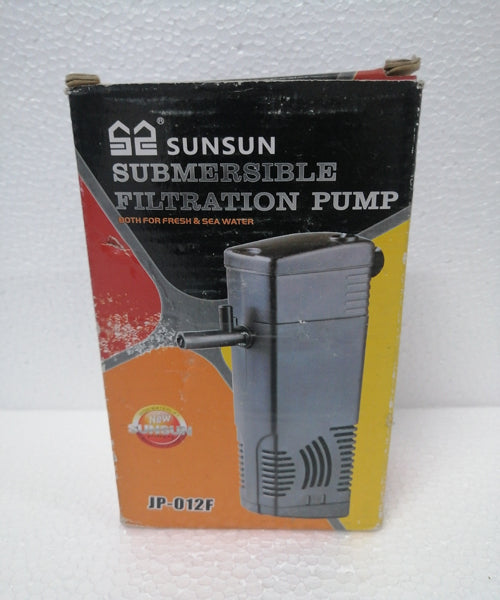
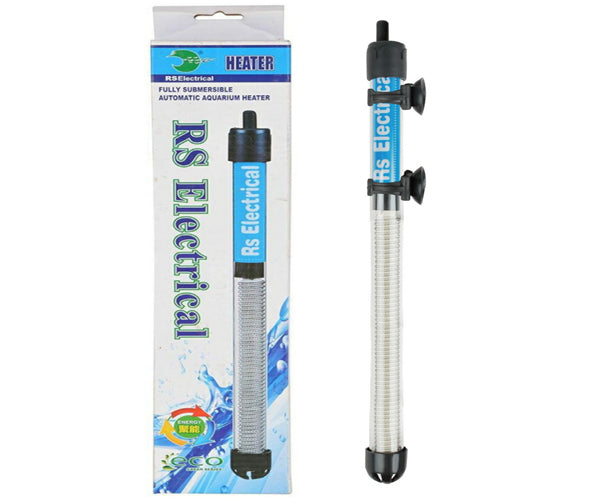
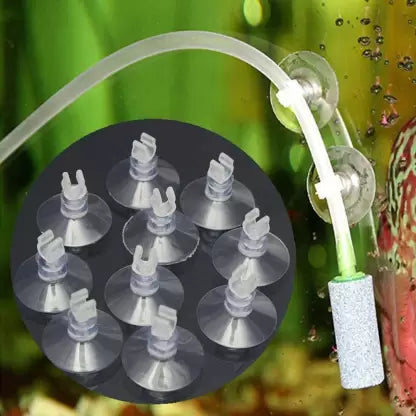
Specifications & Maintenance
Real-world specifications and upkeep:
- Power: mains electricity, fully submersible sealed motor housing
- Function: circulation only — it does not filter or process waste, and should be run alongside (not instead of) a proper filter
- Placement: mount via suction cup or magnet, angled to avoid blasting fish, decor, or substrate directly
- Impeller: the main maintenance point — periodically open the housing and clear away hair, algae, or debris that reduces flow or causes noise
- Dry-running risk: never let the water level drop below the unit; running dry can damage the motor even briefly
- Fish comfort: observe fish behaviour after installing — constant struggling against current is a sign to reduce flow or reposition/angle the unit
- Mounting check: periodically confirm the suction cup or magnet mount is still secure, since strong output can gradually work a poorly-seated mount loose
- Flow pattern: a pulsing/varied output (if available) is often better tolerated by fish than one constant fixed jet
- Angle check: revisit the aim periodically, since decor or plant growth can shift what the stream ends up hitting over time
- Not a filter: keep running a proper filter alongside it, since a wave maker only moves water and doesn't process waste
- Cable and seals: give the power cord and housing seals a quick look during routine cleaning -- any sign of cracking or wear where the cord exits the sealed housing is worth addressing before it becomes a leak point