About & Function
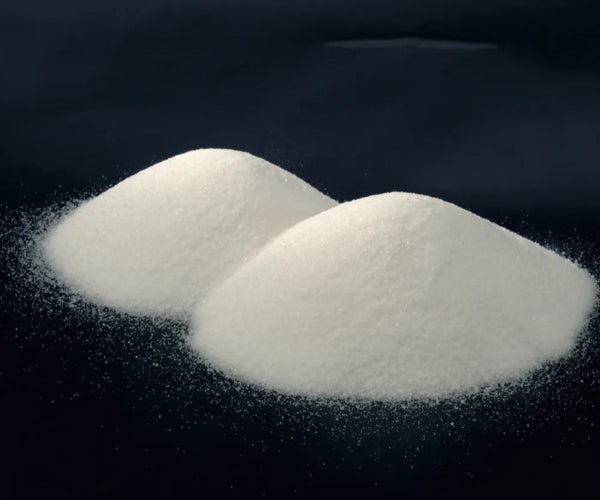
White crystal sand is a bright, reflective quartz-based substrate used to line the bottom of an aquarium or pond. Compared to darker natural gravels, white sand throws light back up through the water column, which brightens the whole tank visually and makes fish colours read more vividly against the pale background — a popular choice for showcasing brightly coloured fish, shrimp, or a clean, minimalist aquascape look.
As a fine, compact substrate, it also packs more tightly than coarse gravel, which matters for bottom-dwelling fish that like to sift or burrow, and for keeping uneaten food and waste sitting more visibly on the surface rather than falling deep between large gravel gaps where it's harder to siphon out.
Being quartz-based, it's also chemically inert in normal use — it won't dissolve or noticeably alter pH or hardness the way some carbonate-rich sands (like certain "cichlid" or marine sands) are specifically chosen to do. That makes it a safe, neutral default substrate choice across most freshwater community setups rather than something that needs to be matched carefully to water chemistry.
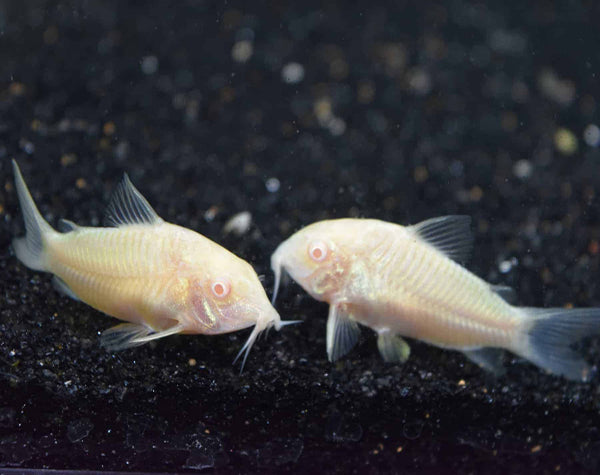
Its bright, uniform grain also makes it a popular choice specifically for showcasing dark-coloured or high-contrast fish and shrimp, where a pale background makes colour and markings stand out far more than they would over dark gravel — a look many keepers deliberately design their aquascape around rather than treating substrate colour as an afterthought.
Requirements
No power or equipment needed — this is a purely passive decorative/functional substrate. It does need thorough rinsing before use: fine sand in particular carries a lot of dust that will cloud the water badly if added straight from the bag, so rinse in a bucket with clean water, swirling and pouring off the cloudy water, until it runs mostly clear.
A typical substrate depth is roughly 3–5cm for a purely decorative layer, or somewhat deeper if bottom-dwelling or burrowing fish will be kept. Very fine sand can compact and trap gas pockets over time if never disturbed, so occasional gentle stirring near the surface during maintenance helps prevent that.
If setting up a planted tank, plain sand alone doesn't supply nutrients to plant roots the way a dedicated aquasoil does — root-feeding plants will generally need root tabs or a nutrient-rich layer underneath a decorative sand cap for good long-term growth.
When adding sand to an already-established, filled tank, pour it in slowly and settle it in place gently rather than dumping it all at once, which stirs up a cloud that can take a while to fully clear and temporarily stresses an already-cycled filter.
Buying enough for the intended depth and tank footprint in one purchase is worth planning ahead for, since colour and grain size can vary slightly between production batches, and topping up later with a second batch may not match perfectly.
Compatibility

Specifications & Maintenance
Real-world specifications and upkeep:
- Power: none — passive substrate
- Preparation: rinse thoroughly before adding, in batches, until the runoff water is mostly clear
- Depth: roughly 3–5cm as a decorative base layer, deeper for burrowing/sifting fish
- Maintenance: gently vacuum the surface during water changes to lift out waste and uneaten food sitting on top; stir occasionally near the surface to prevent gas pockets forming in undisturbed areas
- Staining: being light-coloured, it will show algae growth and organic staining more visibly than dark substrate over time — normal, and cleaned off with routine maintenance
- Chemistry: essentially inert quartz — won't meaningfully affect pH or hardness in normal use
- Planted tanks: pair with root tabs or a nutrient layer underneath if growing root-feeding plants, since plain sand alone doesn't supply plant nutrients
- Adding to a set-up tank: pour in slowly rather than dumping, to avoid a large cloud and temporary filter stress
- Best suited to: showcasing dark-coloured or high-contrast fish and shrimp against a pale background
- Water chemistry: quartz-based and chemically inert, so it won't meaningfully shift pH or hardness
- Grain size: fine and rounded rather than sharp-edged, which is gentler on the barbels and undersides of bottom-dwelling fish that sift through it than coarser, angular gravel can be
- Longevity: quartz doesn't break down or dissolve over time the way some softer, calcium-based substrates can, so a single layer should last the life of the tank without needing replacement
- Combining with other substrates: can be layered on top of a nutrient-rich base (for planted setups) or mixed with darker gravel/sand at the front and back of a tank to create depth and colour contrast in the aquascape