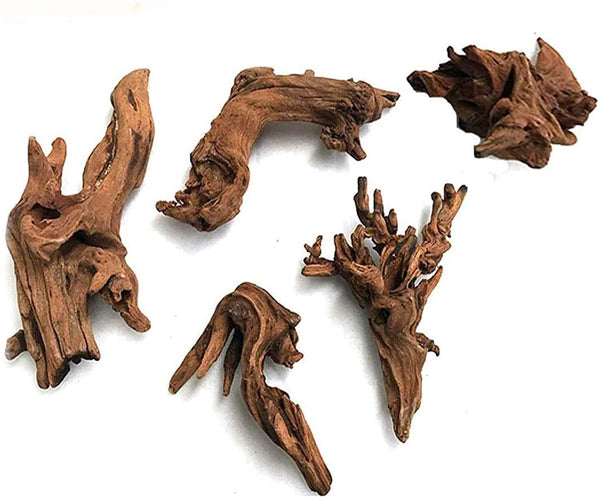
About This Product
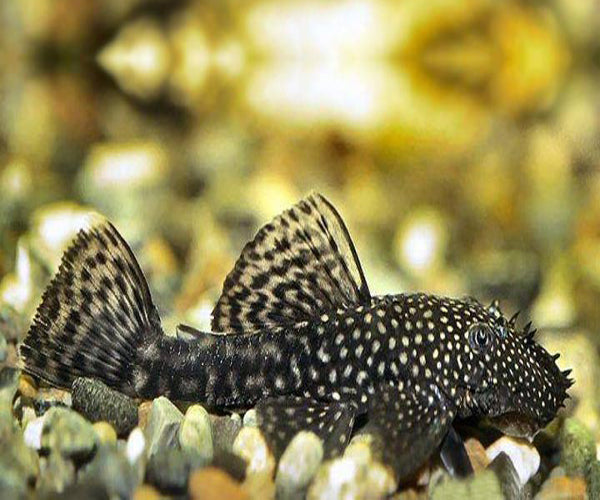
Driftwood is real, naturally-sourced wood used as aquarium hardscape -- a staple of natural-style aquascaping for both its looks (branching, twisted, weathered shapes that echo submerged tree roots and fallen branches) and its function. Unlike plastic or resin decor, real driftwood is genuinely used by several aquarium species: certain catfish (notably plecos) actually rasp at soft driftwood fibres as part of their diet, and it provides real hiding, resting, and grazing surface for many bottom-dwellers.
A distinctive, very common trait of real driftwood that surprises first-time buyers: it leaches tannins -- natural organic compounds -- into the water, gradually tinting it a light amber/tea colour, especially in the first weeks after adding a new piece. This is completely normal, harmless to fish, and in fact mimics the blackwater habitats many South American and Southeast Asian species evolved in; some keepers actively want this tinted "blackwater" look, while others prefer clear water and manage the tannins with activated carbon in their filter.
Driftwood also often hosts beneficial biofilm and algae growth over time, which many fish, shrimp, and snails graze on -- a small but real ecological bonus on top of its aesthetic role.
Real driftwood pieces are naturally variable -- shape, size, and density all differ piece to piece, since this is a genuine natural material rather than a manufactured product. That variability is part of what makes driftwood-based hardscapes look organic rather than uniform.
Different wood types behave somewhat differently in an aquarium -- denser hardwoods (like many "spider wood" or "Malaysian driftwood" types common in the trade) tend to sink faster and leach fewer tannins than softer, more porous woods, while lighter, more fibrous pieces float longer during prep but often offer more grazing surface for wood-eating fish once waterlogged. Either type is suitable for general aquarium use; the practical difference is mainly in how long the initial sink/prep phase takes.
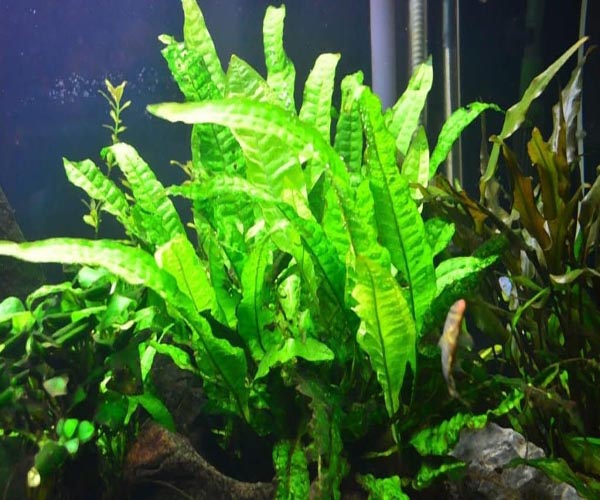
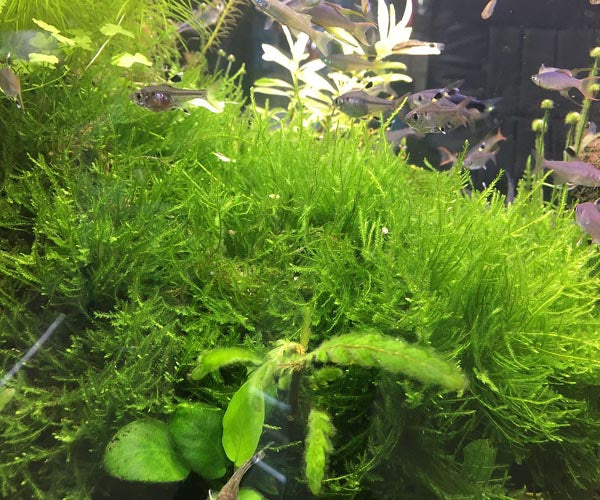
Beyond its role in a planted or fish-focused tank, driftwood is also a favourite anchor point for epiphyte plants -- species like Java Fern, Anubias, and various mosses attach their roots directly to wood or rock rather than growing in substrate, so a piece of driftwood often doubles as both hardscape and a planting surface in the same layout.
Requirements
No power is needed -- this is a passive decor item, but real driftwood does need some preparation before going into a tank. New driftwood typically needs soaking (days to weeks, depending on the piece) and often boiling in plain water to help waterlog it (so it sinks rather than floats), leach out excess tannins faster, and reduce the chance of introducing anything unwanted from its original environment.
Expect tannin staining of the water for some time after adding a piece, more noticeably at first and fading as the wood leaches out; activated carbon in the filter speeds up clearing this if a tinted look isn't wanted. Some pieces may also produce a thin white or grey biofilm in the first weeks -- this is a normal, harmless bacterial film, not mould, and most fish/shrimp/snails will graze it away on their own.
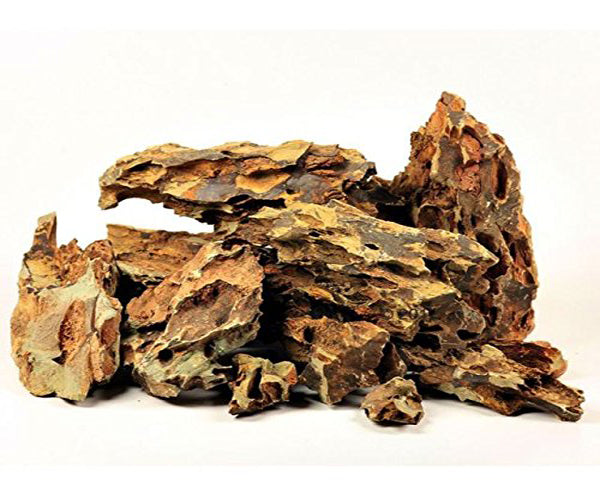
When placing driftwood, wedge or weight it securely (some keepers use rocks or a small suction-cup anchor initially) until it's fully waterlogged and stays down reliably on its own.
Larger or more porous pieces can take considerably longer to fully waterlog than smaller, denser ones -- it's worth being patient rather than assuming a piece that still floats after a few days of soaking is somehow defective.
Boiling (where the piece is small enough to fit a pot) is the fastest way to waterlog wood and also helps sterilise the surface and speed up the initial tannin release, typically in sessions of 30-60 minutes repeated over a few days. For pieces too large to boil, a long soak in a bucket or spare container -- changing the water every day or two to keep pulling out fresh tannins -- achieves the same result more slowly, often over one to several weeks depending on wood density.
It's worth doing this preparation in a separate container rather than directly in the display tank where possible, both to avoid heavily tannin-staining and fouling a cycled tank's water, and so the piece can be test-floated and reweighted before its final placement.
Compatibility
Care & Maintenance
Real driftwood needs a bit more upfront prep than synthetic decor, but very little ongoing care once established.
- Before use: soak and/or boil to waterlog the piece, reduce tannin release, and help it sink
- Tannin staining: expect amber-tinted water for a period after adding new wood; normal and harmless, manageable with activated carbon if clear water is preferred
- Biofilm: a thin white/grey film in the first weeks is normal bacterial growth, not mould -- most tank inhabitants graze it away naturally
- Buoyancy: weight or anchor new pieces until fully waterlogged, since dry driftwood floats initially
- Longevity: driftwood slowly breaks down over months to years underwater (part of its natural role) -- not a defect, just the lifespan of a real organic material
- Grazing surface: the biofilm that grows on submerged wood is a genuine, healthy food source for plecos, otocinclus, shrimp, and snails
- Anchoring: weight or secure new pieces until fully waterlogged; aquarium-safe silicone can permanently attach wood to rock for a stable combined hardscape piece
- Planting surface: epiphyte plants (Java Fern, Anubias, various mosses) can be tied or glued directly onto the wood with cotton thread or aquarium-safe superglue gel until roots naturally attach themselves over the following weeks
- Ongoing tannin management: replace or refresh activated carbon periodically if aiming to keep water clear long-term, since older wood can continue releasing tannins at a low level for months
- Removal/relocation: once fully waterlogged, driftwood can be lifted out briefly for tank maintenance without needing to re-soak it, as long as it isn't allowed to fully dry out again
- Mould vs. biofilm: fuzzy white growth in the very first days is typically a harmless bacterial/fungal bloom feeding on surface sugars in the wood, not a sign of a bad piece -- it normally clears on its own within a couple of weeks as the wood settles in
- Fish safety: real driftwood has no sharp edges once waterlogged and softened, and is safe for barbel-sensitive bottom-dwellers and shrimp to graze on directly