
Customer Reviews
About & Function
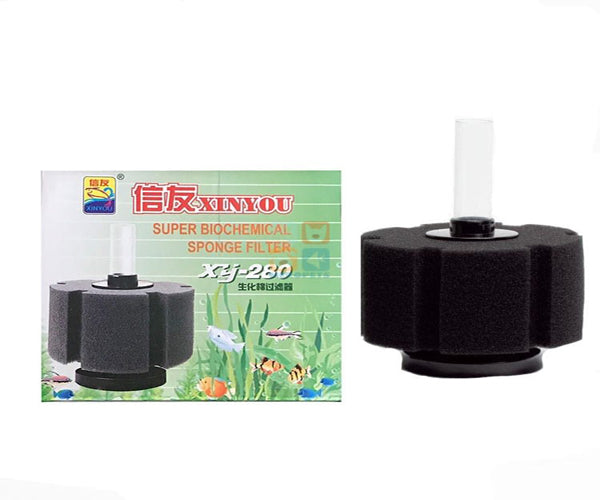
A sponge filter is one of the gentlest, most reliable forms of aquarium filtration: a block of porous sponge fitted over a rigid tube, driven entirely by an air pump rather than an internal motor. Air bubbled up through the tube lifts water through the sponge, trapping debris (mechanical filtration) while the sponge's large surface area hosts a colony of beneficial bacteria (biological filtration).
The XY-2835 sits at the smaller, more affordable end of the XY sponge filter range in this store, sized for smaller tanks or as a supplementary filter alongside a primary one rather than as the sole filtration for a larger, heavily stocked aquarium. Because sponge filters have no fast-spinning impeller and produce very gentle current, they're a favourite for fry tanks, shrimp tanks, and betta tanks, where a stronger power filter's intake could otherwise pull in small or delicate animals.
Being a reusable sponge rather than a disposable cartridge, it's a genuinely low-running-cost option over the life of the tank.
A small, affordable sponge filter like this is also a common choice as a dedicated breeding or nursery tank filter, or as a spare unit kept running in a mature tank purely to have an already-cycled, bacteria-rich sponge on hand whenever a new tank needs to be started or an ammonia spike needs bringing back under control quickly.
Requirements
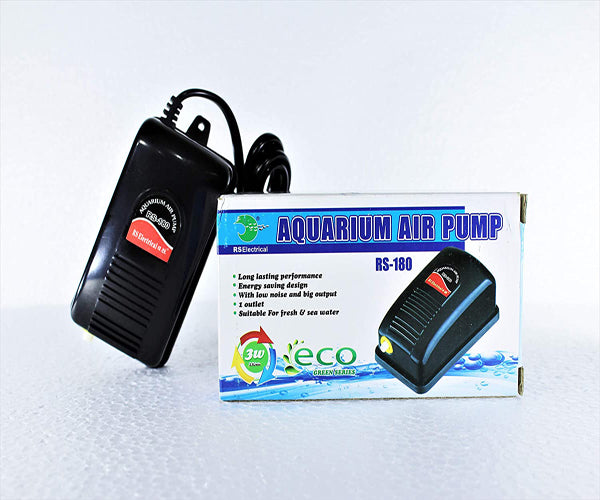
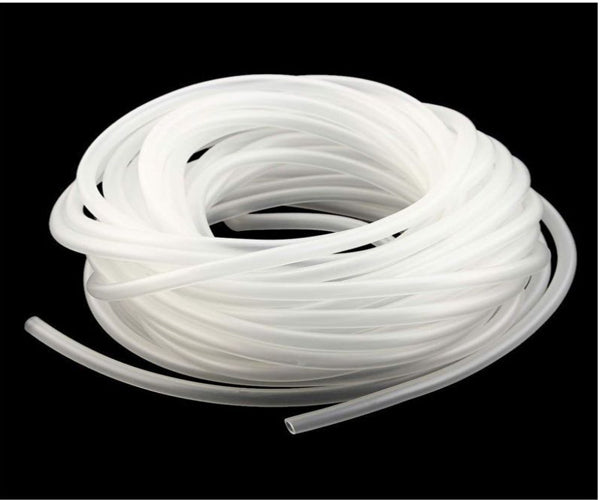
A sponge filter is entirely passive by itself — it needs an air pump connected via airline tubing to function; without a pump pushing air through the lift tube, no water moves through the sponge at all.
Being one of the smaller/more compact units in the range, it suits smaller tanks or works well as a second, supplementary filter in a larger tank alongside a hang-on or canister unit. It typically sits on the substrate, ideally weighted or wedged so it doesn't drift with water movement.
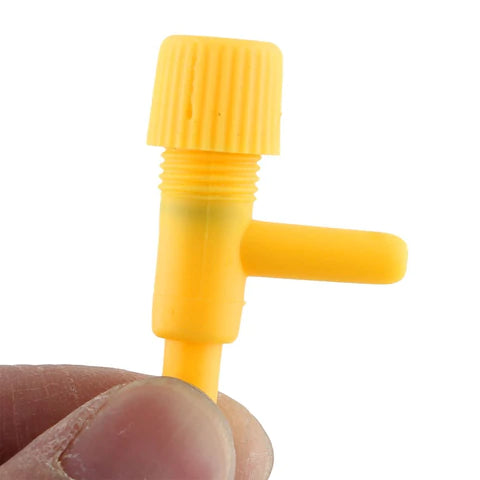
An adjustable flow-control valve on the airline is a simple way to fine-tune the current, useful if the intended tank houses particularly delicate fry or shrimp.
Being inexpensive and compact, it's also a practical choice to keep as a spare — a second sponge filter run alongside a primary filter gives simple redundancy, and doubles as an easy way to seed a new or emergency setup with already-established bacteria.
Match the air pump's pressure rating to the tank's actual water depth, since deeper water needs more pump pressure to push bubbles reliably through the full length of the lift tube, and keep the airline run reasonably short for steady output.
Its small footprint also makes it a sensible pick for a quarantine or hospital tank kept on standby — a compact filter that's cheap enough to leave running in a spare bucket or bare-bottom tank between uses, so it's already seeded with bacteria the moment a sick or new fish needs isolating. For a very small tank (well under the smallest end of what a single 380 or 180 is rated for), running two of these side by side is often more practical than one oversized unit, since it spreads bioload capacity across two smaller sponges that are each easier to lift out and rinse individually.
Compatibility
Specifications & Maintenance
Real-world specifications and upkeep:
- Power: none directly — passive filter driven entirely by an external air pump
- Suitable for: smaller tanks, or as a supplementary filter alongside a primary filter in a larger setup
- Material: reusable sponge, not a disposable cartridge
- Cleaning: rinse gently in removed tank water (never tap water, which kills the beneficial bacteria) every 1–2 weeks; squeeze rather than scrub to preserve more of the bacterial colony
- Signs it needs attention: visibly reduced bubble flow or a dense, slimy sponge usually means it's due for a gentle rinse
- Seeding use: a mature sponge can be transplanted to a new or struggling tank to jump-start its bacterial colony
- Placement: weight or wedge it in place, leaving clear space around it for water flow
- Redundancy: inexpensive enough to keep a spare unit running as a backup biological filter
- Flow adjustment: pair with a flow-control valve to tune output for delicate fry or shrimp
- Air pump match: pair with an appropriately sized pump for full performance
- Longevity: the sponge has no fixed lifespan and can be reused for years with regular gentle rinsing
- Footprint: small and low-profile enough to tuck into a corner of a nano or species tank without dominating the layout
- Quarantine use: cheap enough to keep a dedicated unit for a hospital/QT tank, seeded and ready whenever it's needed
- Doubling up: for very small or heavily stocked nano tanks, two of these run side by side often outperform one oversized filter