Best Algae Eaters for Freshwater Aquariums by Tank Size
Published: 2026-10-29 · FishyKart Blog
The best algae eater depends on your tank size and the type of algae: in small tanks, nerite snails, amano shrimp and otocinclus clean glass and leaves without outgrowing the aquarium, while bristlenose plecos and siamese algae eaters suit tanks of 20-30 gallons and up. No animal fixes the cause of algae, which is usually too much light or too many nutrients, but the right cleanup crew keeps it under control.
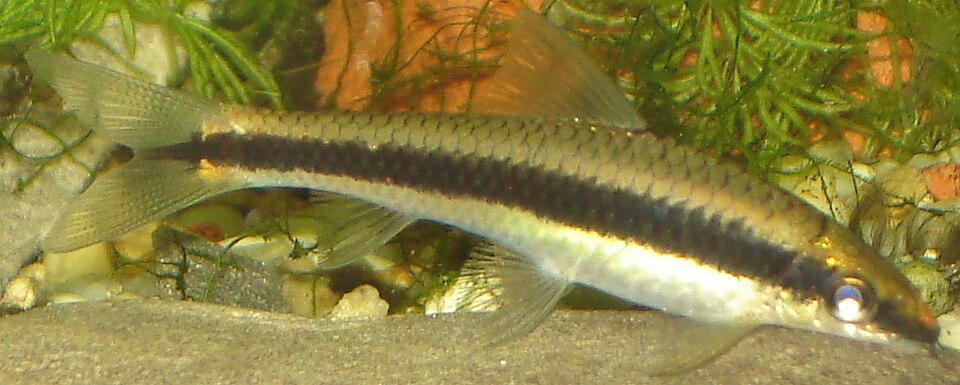
Photo: User:Ark pl wiki - Wikimedia Commons, CC BY 3.0
Algae Eaters by Tank Size
| Tank size | Good algae eaters |
| 5-10 gallons | Nerite snail, cherry shrimp, ramshorn snail |
| 10-20 gallons | Otocinclus (group of 6), amano shrimp, nerite snails |
| 20-40 gallons | Bristlenose pleco, siamese algae eater, mystery snail |
| 75+ gallons | Common pleco (125+ gal as adult), groups of siamese algae eaters |
Match the animal to the adult size, not the size in the store.
Which Algae Does Each One Eat?
| Algae eater | Best at |
| Otocinclus | Soft green film and diatoms (brown algae) on leaves and glass |
| Amano shrimp | Hair and thread algae, soft film, leftover food |
| Nerite snail | Green spot and film algae on glass, rocks and leaves |
| Bristlenose pleco | Film algae on glass and driftwood |
| Siamese algae eater | Hair algae and black beard algae |
| Cherry shrimp | Biofilm and soft algae |
| Mystery snail | Soft algae and leftover food |
Top Picks Explained
- Otocinclus: tiny, peaceful catfish that graze leaves without harming plants. Keep 6 or more in a mature tank, and feed algae wafers once the algae runs out. See otocinclus food.
- Amano shrimp: the strongest algae eater among small shrimp, popular in planted tanks. Read our amano shrimp guide.
- Nerite snail: cleans glass very well and cannot breed in freshwater, although females lay small white eggs on hard surfaces.
- Bristlenose pleco: stays around 4-5 inches, unlike the common pleco. Needs driftwood to rasp. See bristlenose pleco size.
- Siamese algae eater: grows to about 6 inches and becomes less interested in algae as it ages, so buy young fish and keep the group small in medium tanks.
Algae Eaters to Avoid in Small Tanks
- Common pleco: juveniles sold at 3 inches can reach 12-18 inches.
- Chinese algae eater: often turns territorial as it grows and may latch on to slow fish.
- Large snails such as some apple snails eat soft plants and add waste.
How to Stop Algae at the Source
- Light: 6-8 hours a day on a timer is enough for most planted tanks.
- Feeding: feed only what fish eat in about 2 minutes.
- Water changes: 20-30% weekly removes the nitrate and phosphate that feed algae.
- Plants: fast growers such as hornwort and floating plants compete with algae for nutrients.
Shrimp and snails for your cleanup crew are in our shrimps, lobsters and snails collection.