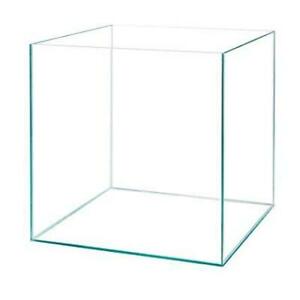
- Brand New Glass 1X1X1 Feet cube tank (suitable for small and medium-size fishes)
- GlueLess Finish
- Clear Quality Glass
- Leakage warranty - 8 years.
- Edge to Edge Finish
- Delivery/Installation Charges extra if you require
About & Origin
This is a made-to-order glass aquarium built from 6mm float glass, sold at the "1 feet" size tier with several exact dimensions available to choose from at checkout (hence "select sizes below") -- a common way small aquarium workshops in India sell tanks, since a 1-foot tank can be cut slightly differently in length, width, or height depending on what a customer needs it for.
6mm glass is a fairly standard thickness for a small aquarium in this size class -- thick enough to safely hold the water pressure of a tank in roughly the 15-30 litre range (the usual footprint of a "1 foot" tank) with a comfortable safety margin, without being so heavy or expensive as full-size show tanks that use 8-10mm or thicker glass.
Panels are glued edge-to-edge with aquarium-safe silicone sealant, which is the standard, reliable construction method for small and mid-size glass tanks -- it's the same basic technique used across the hobby worldwide, not a shortcut. This is a bare tank: glass only, with no filter, heater, lid, or light included, so budget for those separately based on what you plan to keep in it.
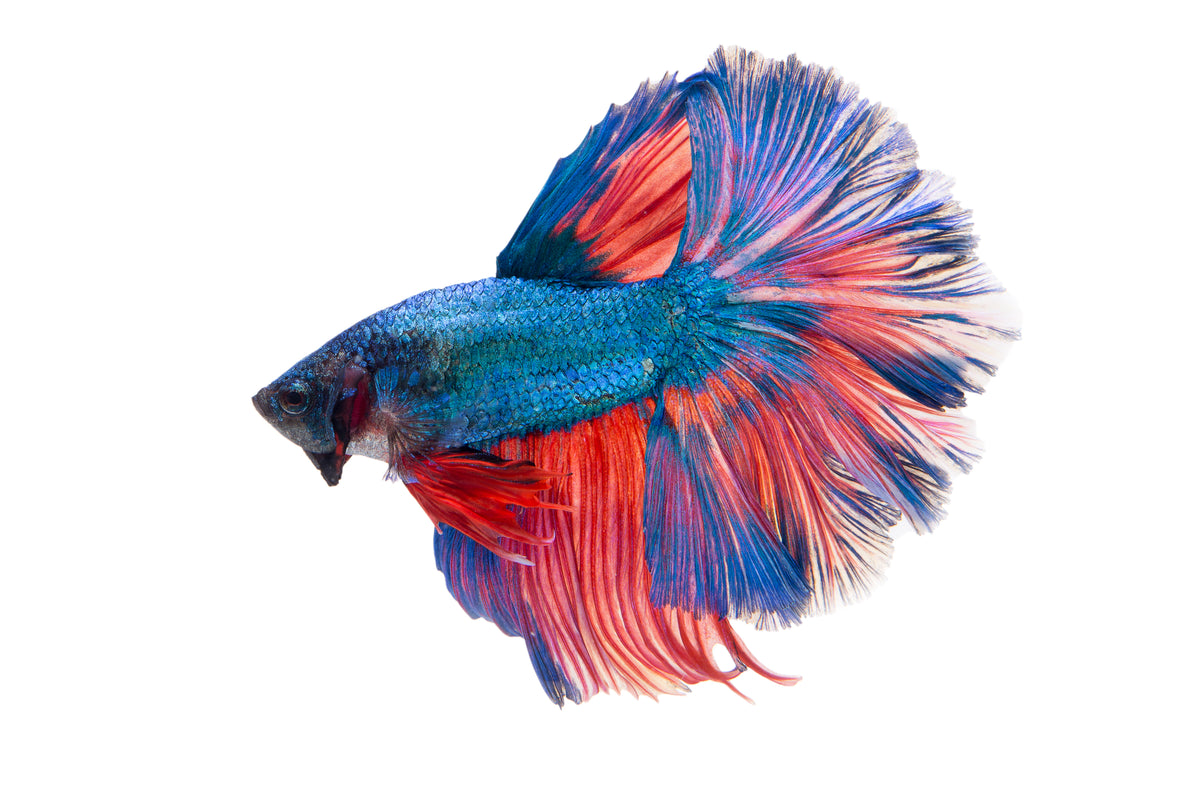
A 1-foot tank like this is a popular size for a single betta, a small shoal of nano fish (like a few ember tetras or a small group of shrimp), or as a dedicated quarantine/hospital tank that's easy to store away when not in use.
The "select sizes below" approach is common for made-to-order glass workshops: rather than stocking one fixed 1-foot mould, the workshop cuts and seals panels to a small set of standard sub-variants at this size tier, so two tanks both labelled "1 foot" from the same listing can differ slightly in exact footprint or height. Check the specific variant description at checkout rather than assuming a single fixed dimension.
Requirements
Because exact dimensions vary by the size option chosen, work out the real volume before stocking it: multiply length × width × height in centimetres and divide by 1000 to get litres. A roughly 30 × 30 × 30cm cube, a common "1 foot" configuration, holds about 27 litres before subtracting substrate and decor -- treat that as a reasonable ballpark, but always check the specific size you select.
Glass tanks are heavy once filled -- water alone weighs close to 1kg per litre, so a 27-litre tank can weigh 30kg or more once water, substrate, and decor are added. Place it on a stand or piece of furniture rated for that weight, fully level, since an uneven surface puts uneven stress on the silicone seams over time.
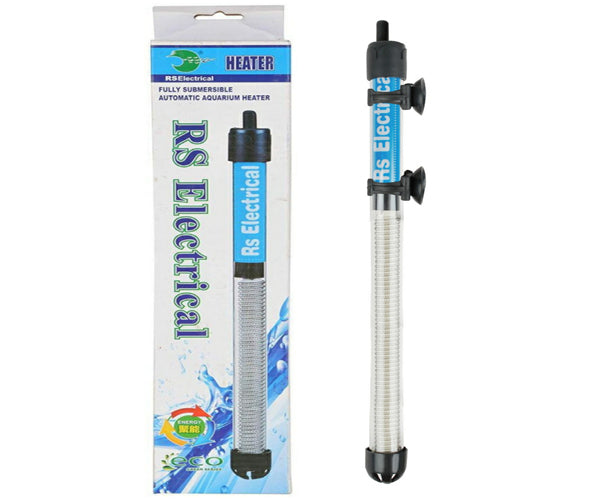
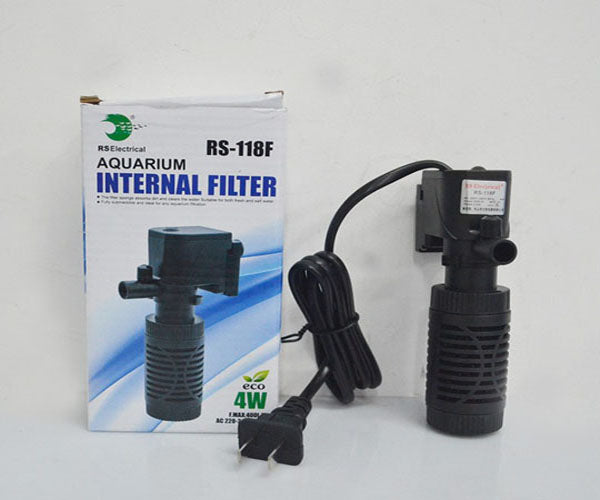
Keep it out of direct sunlight, which drives algae blooms and destabilises temperature. This tank ships as bare glass, so plan on adding, at minimum, a lid to stop fish jumping and reduce evaporation, and in most cases a small filter; a heater is only needed if you're keeping tropical fish in a room that runs cooler than about 24°C.
Let a new tank run for a few days with the filter going before adding any fish, and ideally cycle it (build up beneficial bacteria) before fully stocking -- this matters more, not less, in a smaller volume, since ammonia and nitrite can spike faster in less water.
Because it's bare glass, factor in the ongoing running cost of a filter and, if needed, a heater when budgeting -- the tank price alone understates what a fully equipped small setup will cost. If you're on a tight budget, prioritise the filter first, since water quality matters more to fish health than lighting or decor.
Compatibility
Setup & Maintenance
Setting up and maintaining a small glass tank like this comes down to a few consistent habits:
- Placement: level, stable, weight-rated surface, out of direct sun and away from draughty windows or heating vents that cause temperature swings
- Cycling: run the filter for several days to a couple of weeks before fully stocking, ideally with a bacterial starter culture or a small amount of established filter media from another healthy tank to speed things up
- Water changes: smaller volumes swing faster, so plan on a 20-30% partial water change weekly rather than stretching it to once a month
- Cleaning glass: use an aquarium-safe algae scraper or soft cloth, never household glass cleaner or anything with ammonia, which is toxic to fish even in tiny residual amounts
- Silicone seams: inspect occasionally for cloudiness, peeling, or gaps, especially in the corners, and stop using the tank if you see any sign of a seal failing
- Substrate: rinse thoroughly before adding to avoid clouding the water, and keep depth modest in a small tank (2-4cm is usually plenty) so it doesn't eat too much into usable water volume
- Stocking pace: in a small volume like this, add any new fish one at a time with a few days' gap, watching water parameters, rather than stocking it all at once
- Test kit: keep a liquid or strip test kit on hand for ammonia, nitrite, and pH -- in a small volume, problems develop faster and catching them early matters more than in a larger tank
- Lid/cover: even without an included lid, some form of cover reduces evaporation and stops fish jumping, which is a real risk with some species in an open-top small tank
With those basics in place, a well-built small glass tank like this can run reliably for years.