About & Origin
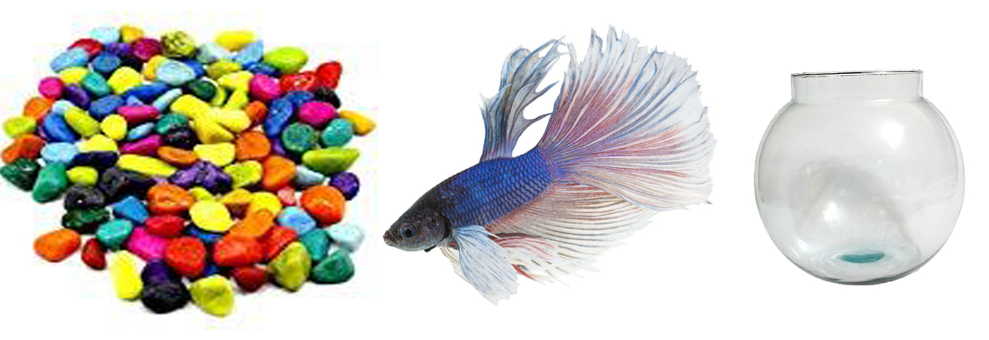
This combo pack bundles a live Betta splendens (Siamese fighting fish) with the essentials to get a first tank started — typically a single male or female betta plus a starter setup such as a small tank/bowl. Bettas are prized for their flowing fins and vivid, variable colouring, and are one of the most popular beginner fish precisely because a single betta can live in a modest setup with minimal equipment compared to a community tank.
In the wild, bettas come from the shallow, slow-moving rice paddies, floodplains, and drainage ditches of Thailand and neighbouring Southeast Asia — warm, often oxygen-poor water. This is why bettas evolved a labyrinth organ that lets them gulp air directly from the surface, tolerating water conditions that would stress most other fish.
A combo like this is meant to remove the guesswork of a first purchase by pairing the fish with the housing at the same time, rather than customers having to separately figure out what's compatible.
What's actually included in a "betta combo" varies by listing — this one bundles the fish with a basic starter tank/bowl, without the extra medicine or plant sometimes added in other combo variants sold on this site. It's aimed squarely at a first-time buyer who wants everything needed for day one in a single purchase, rather than someone assembling a more elaborate planted betta setup from separate parts.
Male bettas are the ones typically pictured and sold in combos like this thanks to their longer, more dramatic finnage, though females (shorter-finned, often calmer, and occasionally kept in small groups called sororities) are sometimes offered too — check the specific listing to confirm which sex is included before buying if that matters to your setup.
Requirements
Bettas are territorial and should be kept ONE per tank — never house two bettas together (male or female) in an undivided space, as they will fight, sometimes fatally. If this combo includes another fish or a tankmate, confirm it is not another betta.
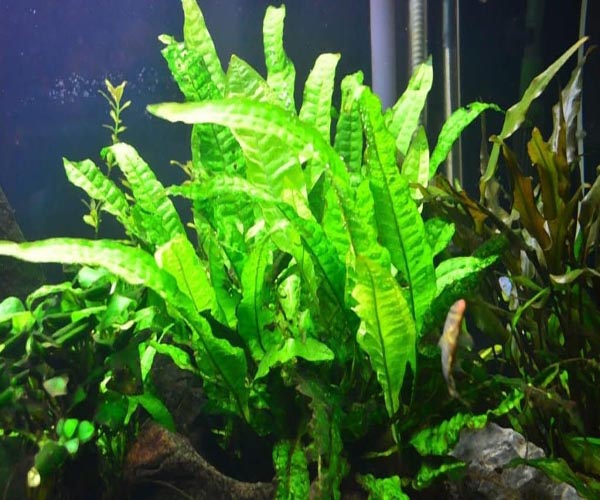
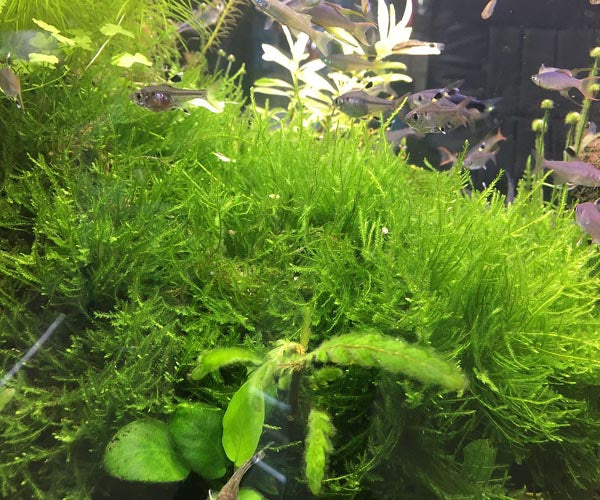
Space: while bettas are often sold in very small bowls, they do noticeably better long-term in at least 15-20 litres with some swimming room, plants, or gentle décor to explore — a bare, tiny bowl is a common but not ideal way to keep one.
Water movement: bettas have long, delicate fins and are poor swimmers against strong current, so keep any filter flow gentle.
Diet: bettas are carnivorous, doing best on a good-quality betta pellet supplemented occasionally with freeze-dried or frozen bloodworm/brine shrimp.
If this combo's included tank is on the small side, consider it a starting point rather than a permanent long-term home, and plan to upgrade the housing as budget allows.
Cycling: a brand-new tank or bowl has no established beneficial bacteria yet, so ammonia from the betta's own waste can build up quickly in the first days. Daily or every-other-day partial water changes for the first couple of weeks help keep a new, uncycled setup safe until either a filter's bacteria colony establishes or a consistent manual water-change routine takes over that role.
Acclimation: when first introducing the fish, float the transport bag in the tank for 15-20 minutes to match temperature, then add small amounts of tank water to the bag gradually over another 15-20 minutes before releasing the fish, rather than tipping it straight in.
Compatibility


Setup & Care
Bettas are more tolerant of imperfect water than most tropical fish thanks to their labyrinth organ, but they still do best within a real range:
- pH: 6.5–7.5
- Water hardness: soft to moderately hard, roughly 5–20 dGH
- Temperature: 24–28°C (75–82°F) — bettas are tropical fish and suffer in cold, unheated water despite folk claims otherwise
- Oxygenation: tolerant of low-oxygen, still water because of their labyrinth organ, but still benefit from some surface access and gentle circulation
Weekly partial water changes (20–30%) are important in small volumes, since waste and ammonia build up much faster in a few litres than in a large tank.
Feed once or twice daily, only what the fish finishes within about two minutes — bettas are prone to bloat and constipation if consistently overfed, and uneaten pellets fouling a small volume of water is a common, avoidable cause of poor water quality in bowl setups. An occasional fasting day (skipping a single day's feeding once a week) is a commonly recommended practice to help digestion in a fish that's naturally an opportunistic eater rather than a constant grazer.
Watch for the usual signs of stress or declining water quality between changes: clamped fins, faded colour, lethargy, or gasping at the surface all warrant an earlier-than-scheduled water change rather than waiting for the next routine one.