About This Product
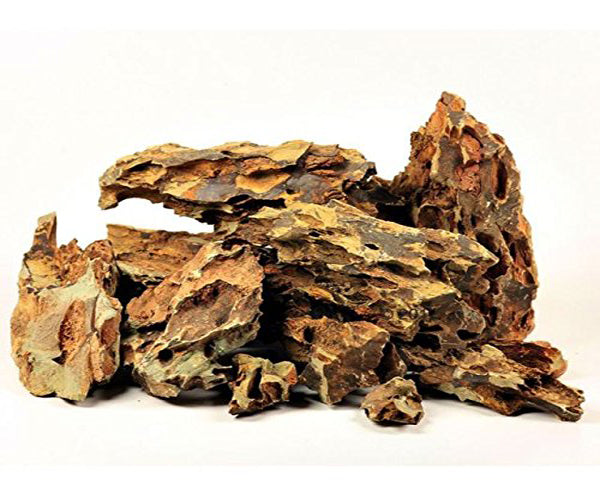
Dragon rock (sold here as "Dragoan Rocks") is a popular aquascaping stone known for its rugged, textured, mountain-like surface -- deeply pitted and craggy rather than smooth, which is exactly why it's prized for building natural-looking rockscapes, caves, and hiding spots in freshwater tanks. Its irregular, weathered look makes it especially popular in Iwagumi-style and other hardscape-focused aquascapes, where the stone itself is a central visual feature rather than just a background element.
Because of its rough, hollow, pocket-filled texture, dragon rock is also genuinely functional, not just decorative: those crevices and pits offer real hiding spots and surface area for bottom-dwelling fish, shrimp, and biofilm-grazing species, and the large surface area gives beneficial bacteria plenty of room to colonise, adding a modest biological filtration benefit on top of its looks.
Being sold by weight (per kg) is typical for aquascaping stone like this, since pieces vary naturally in size and shape -- buyers building a specific layout should expect some variation piece to piece.
The style is closely associated with modern Japanese-influenced aquascaping, where a small number of carefully chosen, characterful rocks are arranged as the visual anchor of the whole layout, often with plants and substrate built around them rather than the other way around.
The name "dragon rock" (sometimes also called "ohko stone" in the hobby, depending on regional/import naming) refers to a category of similarly-textured stones rather than one single mineral, so exact composition and colour can vary somewhat between suppliers and batches -- what stays consistent across the category is the deeply weathered, pitted surface texture that gives the style its name and visual appeal.
Because each piece is naturally irregular, no two rocks in a batch are identical -- part of the appeal for aquascapers is hand-selecting or arranging pieces to create a layout that looks like a natural, weathered outcrop rather than a uniform, mass-produced decoration. Larger structures are often built by combining several smaller pieces into caves, arches, or terraced formations rather than relying on a single large boulder.
Requirements
No power is needed -- this is a passive decor item. Before use, rinse thoroughly and scrub with a stiff brush (no soap) to remove loose dust and grit from the many pits and crevices, which is more involved than rinsing smooth pebbles simply because of the rock's rough texture.
One real chemistry consideration: some rock types sold as "dragon rock" or similar aquascaping stone can be slightly calcareous (containing some calcium carbonate), which can gently raise pH and hardness over time -- worth checking with a simple vinegar-drop test (if it fizzes, it contains carbonate) before use in a tank meant to stay soft and acidic for sensitive species. For most general community setups this is a minor effect, not a dealbreaker.
When stacking pieces to build caves or overhangs, stability matters -- use enough pieces at the base, or aquarium-safe silicone/rock glue for taller structures, so nothing can shift or topple once fish are added.
The tank's glass base can also be worth protecting under heavier or sharper-edged pieces -- a thin foam mat under the substrate is a common, simple precaution against scratches or, in rare cases, cracked glass from an uneven point of contact.
Because it's sold by weight, plan the quantity around the scale of layout intended -- a small accent piece or two might only need a few hundred grams, while building a full rockscape wall or a multi-tiered arrangement across a larger tank can require several kilograms. Buying a little extra gives more pieces to choose from when hand-fitting an arrangement, since the best-looking layout usually comes from trying several possible placements rather than using every piece exactly as it arrives.
If the tank will house larger, more boisterous fish (cichlids in particular are known for rearranging décor), lean toward more conservative, well-anchored placements or silicone-bonded structures rather than loosely stacked arrangements that could collapse.
Compatibility
Care & Maintenance
Low-maintenance once established, with one chemistry check worth doing before use.
- Before use: scrub thoroughly with a stiff brush and rinse until water runs clear -- the textured surface holds more dust than smooth stone
- Hardness check: a drop of vinegar that fizzes indicates some carbonate content, meaning gradual pH/hardness increase over time -- relevant mainly for soft-water species
- Maintenance: occasional gentle brushing/rinsing during maintenance to clear algae or debris built up in the crevices
- Stability: secure larger stacked structures with aquarium-safe silicone if building caves or overhangs, especially in tanks with larger, more active fish
- Longevity: doesn't degrade or break down, a permanent, one-time addition
- Fish/shrimp use: the pitted texture offers real grazing surface for biofilm-feeding shrimp and hiding spots for shy bottom-dwellers
- Placement: consider a protective foam mat under the substrate if using heavier or sharp-edged pieces
- Bacterial colonisation: the porous surface builds a beneficial-bacteria biofilm over the first few weeks in water, contributing modestly to the tank's overall biological filtration alongside the main filter
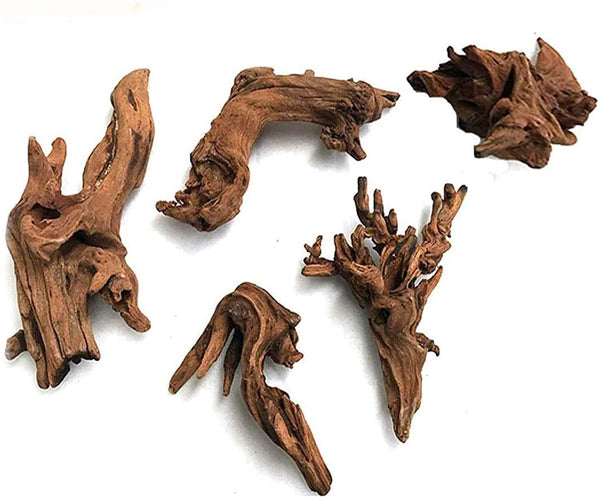
- Combining with wood: pairs well with driftwood in mixed hardscape builds -- just re-check overall stability whenever new pieces are added or rearranged, since a stable two-piece stack can shift once a third piece changes the weight distribution
- Reuse: scrub and rinse thoroughly if moving pieces to a different tank, and re-run a vinegar carbonate check if it's headed into a soft-water setup
- Algae on textured surfaces: the rough, pitted surface can hold onto algae growth more persistently than smooth stone -- generally left alone as a natural, aged look, but a soft brush can knock back excess growth if it becomes visually overwhelming
- Weight distribution: when rearranging a stacked structure, remove and rebuild from the top down rather than pulling a base piece, to avoid an unplanned collapse