About & Origin
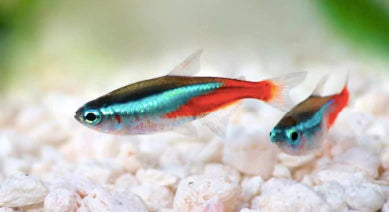
The neon tetra (Paracheirodon innesi) is one of the most recognisable fish in the hobby, native to the clear and blackwater tributaries of the upper Amazon basin in Peru, Colombia, and Brazil. In the wild it shoals in huge numbers through shaded, tannin-stained forest streams, where its brilliant iridescent blue-and-red stripe is thought to help shoal-mates keep track of each other in low light.
It has been a cornerstone community fish since the 1930s -- almost all neon tetras sold today are commercially farmed rather than wild-caught, which has also made them significantly hardier than the wild fish their reputation was originally built on.
Neon tetras are peaceful, small (around 2.5cm/1"), and spend their time shoaling tightly together in the middle of the water column, making them one of the classic "wall of colour" schooling fish for a planted community tank.
This particular listing is a starter pack of 6 -- the widely recommended minimum shoal size for this species, since neon tetras kept in smaller numbers show visibly less confident schooling behaviour and duller colour than a proper group. Their name and enduring popularity trace back to the fish's discovery in the early 1930s, when its vivid stripe caused something of a sensation in the fledgling aquarium hobby of the time.
Requirements
Neon tetras are easy to keep well provided their two core needs are met.
Group size: this is a true schooling fish -- a small or lone group looks washed-out and stressed, while a proper shoal of 8-10+ shows the species at its best, shoaling tightly and displaying full colour.
Calm, established water: neon tetras are sensitive to a new, uncycled tank and to sudden water changes -- they do best added to a mature, stable tank rather than a brand-new setup, and are prone to "neon tetra disease" (an incurable parasitic wasting disease) in stressed or poor-quality water, so consistency matters more for this species than for most beginner fish.
Diet is easy: a small-grained flake or micro-pellet, with occasional live/frozen micro foods (baby brine shrimp, micro daphnia) appreciated given their small mouth size.
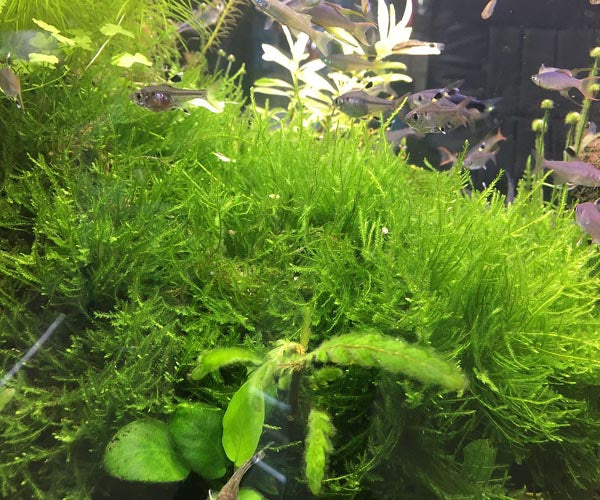
Tankmates: peaceful and non-aggressive, pairing well with other calm, similarly-sized community fish -- avoid large or boisterous species that could see a 2.5cm tetra as a snack, and take care with notorious fin-nippers even though neons themselves have short fins. A well-planted tank with some open swimming space in the middle water column suits their natural shoaling habits best. Once settled, a healthy shoal will spend most of the day moving together in a loose, cohesive group rather than scattering to separate corners of the tank.
Compatibility

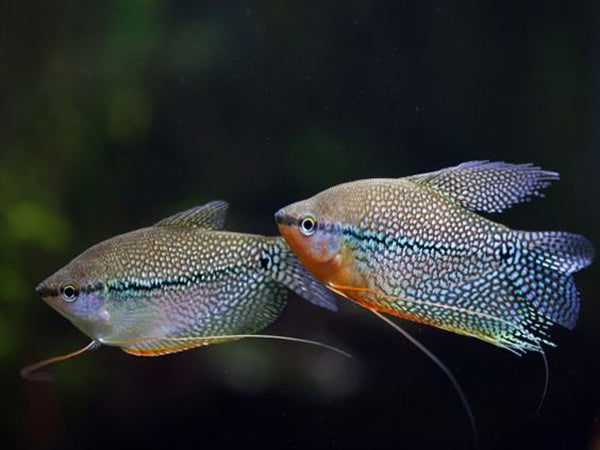
Water & Care Conditions
Coming from soft, acidic, tannin-stained Amazonian water, neon tetras have real preferences that are worth respecting even though farmed stock is more adaptable than wild fish:
- pH: 6.0–7.0 (tolerates up to ~7.5 in farmed stock, but colours and health are best on the softer/more acidic side)
- Hardness: soft, roughly 1–10 dGH
- Temperature: 20–26°C (68–79°F)
- Oxygenation: comfortable with gentle to moderate flow; avoid strong current, which doesn't match their calm blackwater-stream habitat
Stable parameters matter more than hitting an exact number -- sudden swings are a bigger risk to this species than a slightly-off but steady value. Weekly water changes of 20-25% support both colour and long-term health, and a well-kept neon tetra typically lives 5-8 years, longer than many similarly-sized community fish. Watch for "neon tetra disease" specifically -- symptoms include a fading or patchy stripe, curved spine, and listlessness -- since it's untreatable and contagious, meaning affected fish are usually best removed promptly to protect the rest of the shoal. Commercially farmed stock, which is the vast majority of what's sold today, is significantly more resistant to this disease than the wild-caught fish that originally gave neons their fragile reputation. Even so, a stable, mature tank remains the single biggest factor in avoiding the disease altogether.