About This Combo
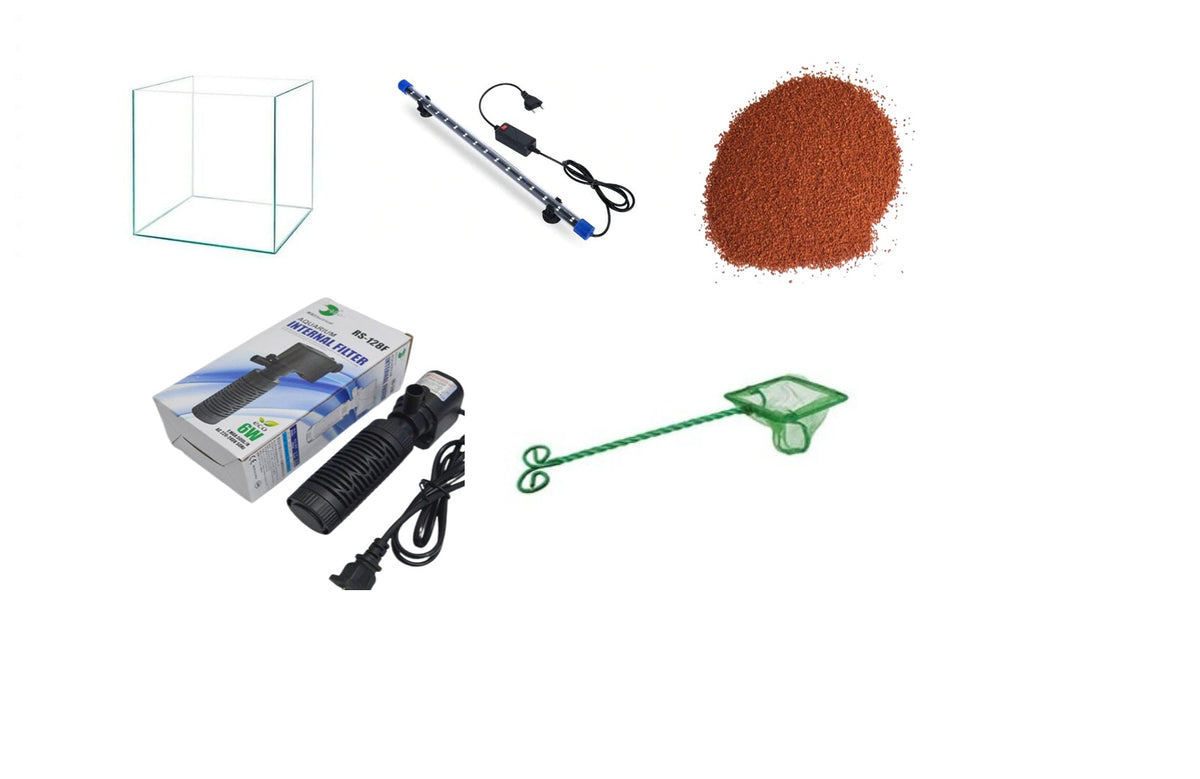
This combo bundles a 1-foot (roughly 30 x 30 x 30cm, around 25-27 litre) glass aquarium with a starter pack of fish food, aimed at buyers who want the tank and a first food supply covered in one purchase rather than sourcing them separately. The tank itself is a genuine small/nano aquarium size -- large enough to hold a stable, cyclable body of water, small enough to suit a desk, shelf, or a first tank in a limited space.
Bundling food with a new tank makes practical sense for a first-time buyer, but it's worth being clear-eyed about sequencing: the food is for feeding fish once the tank is properly cycled and stocked, not something to use on day one. A brand-new, freshly filled tank has no established beneficial bacteria yet, and adding fish (and feeding them) before that colony develops is one of the most common ways new tanks run into ammonia problems.
As with any bundled kit, exact food type/brand can vary by batch -- treat the included food as a starter supply and expect to restock separately as it's used up.
A tank this size (roughly 25-27 litres) is a genuine step up from a small bowl in terms of water stability, while still being compact enough for a desk, shelf, or small room -- a common choice for a first proper tank rather than a bowl.
The zero listed price on this bundle typically means the food is included as a value-add rather than sold separately at its own price point -- worth checking current listing details, since bundle promotions and included quantities can change over time. Either way, treat the food supply as a starter amount tied to whatever species ends up stocked, not a lifetime supply.
Requirements
The tank needs a stable, level, weight-rated surface -- a filled 1-foot tank with substrate and decor is easily 25-30kg, heavier than it looks empty. Keep it out of direct sunlight (to limit algae) and away from draughts or heating/cooling vents that cause temperature swings.
Before adding fish (or feeding anything), the tank should be filled, dechlorinated, and ideally fitted with a filter and left to cycle for at least a week or more, building up the bacteria that safely process fish waste. Only once fish are actually stocked does the included food come into play -- and even then, it should be fed sparingly (only what's eaten in a couple of minutes), since uneaten food is one of the fastest ways to foul water in a small volume.
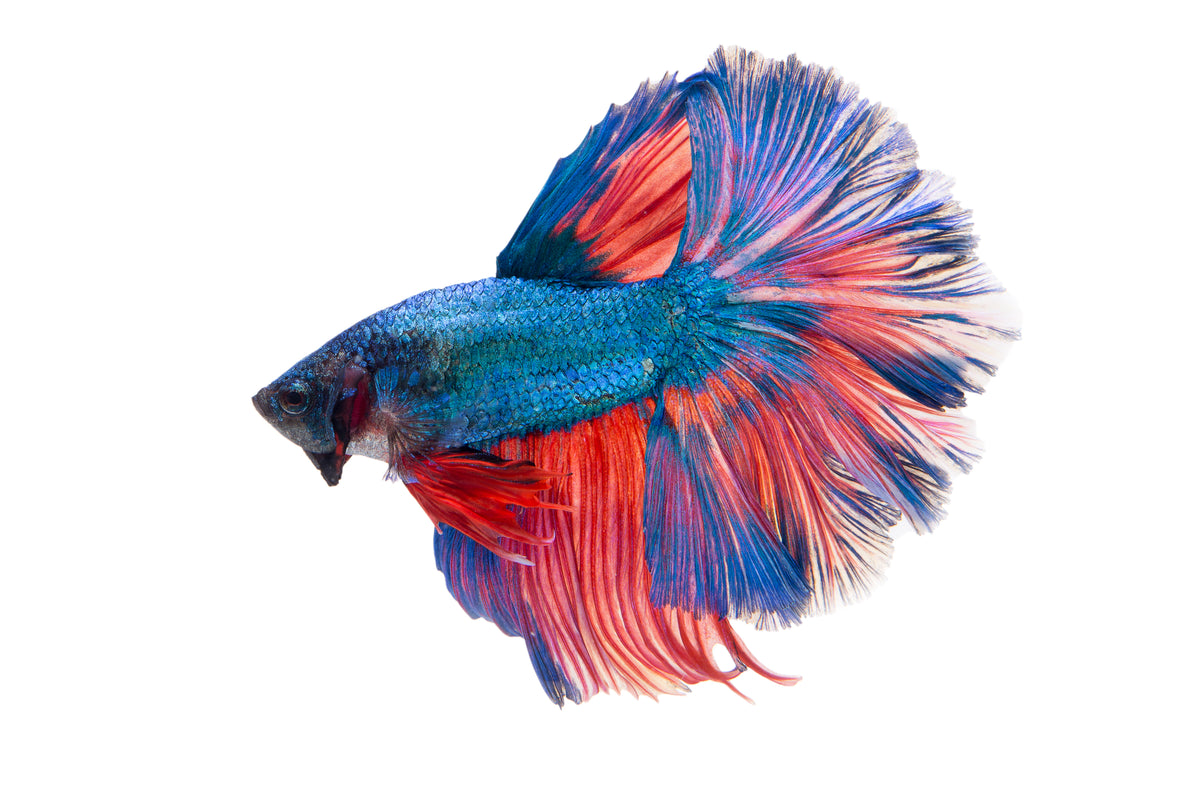
At roughly 25-27 litres, realistic stocking is modest -- a single betta, a small nano shoal, or a few shrimp rather than a full community tank.
A water conditioner to neutralise chlorine/chloramine in tap water is worth adding if not already part of the kit, since untreated tap water can directly harm fish gills -- a common gap in basic starter setups.
Match the food to the fish you actually stock rather than assuming any included food fits any species -- a basic flake may not suit a bottom-feeder or a specialist species well, and buyers planning a specific fish should check the included food's suitability or budget for a more appropriate food alongside it.
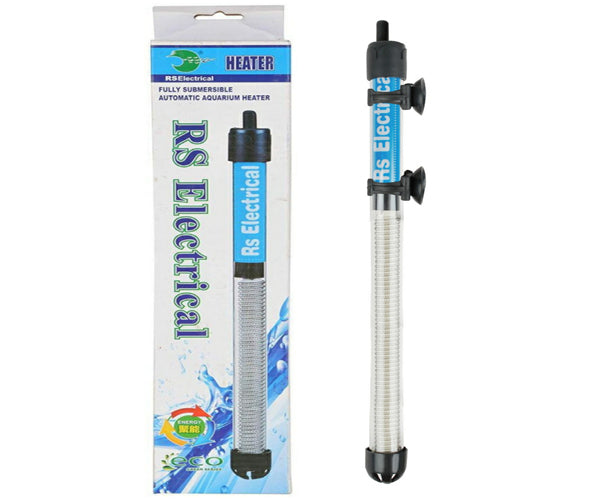
A small heater is worth considering separately if the household environment isn't reliably warm year-round -- most popular tropical fish need a stable temperature in the mid-20s°C, and an unheated small tank can swing more with room temperature than a larger volume would.
Compatibility


Setup & Feeding
Small volumes reward a bit more attentiveness than larger tanks, since there's less water to buffer sudden changes.
- Cycling: run fishless with a filter for at least 1-4 weeks before stocking and feeding begin in earnest
- Feeding: once stocked, feed only a small amount once daily, whatever is cleared within about 2 minutes -- overfeeding is a common cause of fouled water in small tanks
- Water changes: weekly partial changes of 20-30% is a reasonable baseline
- Food storage: keep the included food sealed, in a cool dry place, away from direct sunlight, and check for freshness before use if it's been sitting a while
- Cleaning: use an aquarium-safe algae pad on the glass, never household cleaning products
- Testing: a basic water test kit helps confirm the cycle has completed (ammonia/nitrite at zero) before fish and feeding begin
- Restocking food: plan to buy more once the included supply runs low, matched to whatever species is actually stocked
- Portion size: a pinch is usually plenty for a small tank's worth of small fish -- it's easy to overestimate how much a handful of tiny fish actually needs relative to a bag or container sized for a much bigger setup
- Skip a day occasionally: an established, well-fed fish tolerates an occasional missed feeding day far better than a tank tolerates chronic overfeeding -- when in doubt, feed less rather than more
- Leftover cleanup: siphon out any uneaten food after a few minutes rather than letting it sit and decompose on the substrate, especially in a small volume where waste builds up proportionally faster
- Consistency: feeding roughly the same time each day helps establish a routine and makes it easier to notice when appetite changes -- often one of the first visible signs something needs attention