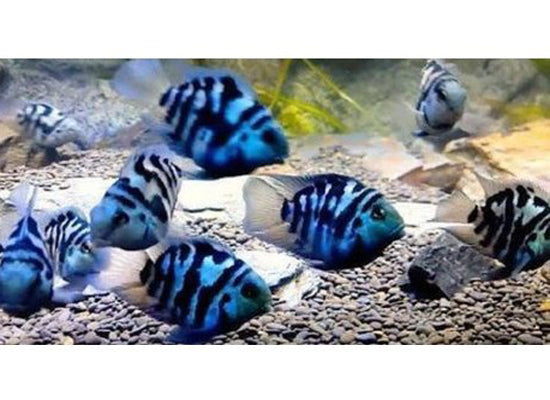
About & Origin
Blood Parrot Cichlids are a man-made hybrid, not a wild species — most sources trace their origin to Taiwanese breeders in the 1980s-90s crossing Central American cichlid species (commonly cited parents include the Midas or Red Devil cichlid and the Redhead cichlid). The result is a fish with no natural habitat of its own: a round body, a small, permanently-open beak-like mouth (from the crossbreeding, not an injury or deformity), and an unusually placid, curious temperament for a cichlid hybrid this size.
"Polar" refers to the white-to-pale-pink colour form, as opposed to the more common orange-red Blood Parrot — the same hybrid, just a different colour line, with identical care needs.
Because of the beak-shaped mouth, these fish can have some difficulty feeding compared to typical cichlids and may need slightly more attentive feeding to make sure they're getting enough — otherwise they're a genuinely hardy, long-lived (10+ years) aquarium fish.
The hybrid's unusual anatomy extends beyond the mouth: many Blood/Polar Parrots also have a curved, compact spine that gives them their distinctive rounded body shape, and some individuals have a swim bladder positioned slightly differently than a "normal" cichlid, which can affect swimming balance to varying degrees between individual fish. None of this is an injury or illness — it's simply a consequence of how the hybrid's body plan came together from its two parent species, and most Polar Parrots swim, eat, and behave completely normally despite looking unlike either parent species.
Because it's a hybrid rather than a described species, there's no single agreed scientific name or wild population to reference — everything known about its care comes from decades of accumulated hobbyist and breeder experience rather than field studies, which is worth keeping in mind since published care advice for this fish varies more than it does for a well-documented wild species.
Their genuinely inquisitive, food-motivated personality is a major part of their popularity: Polar and Blood Parrots often approach the glass, seem to recognise regular caretakers, and beg for food in a way that reads as much more "doglike" than the typical standoffish cichlid — a big part of why they've become one of the more popular novelty cichlids in the hobby despite their unusual, controversial hybrid origin.
Requirements
150+ litres (40+ US gallons) is a comfortable minimum, more for a group — despite the calm temperament, this is still a fish that reaches 15–20 cm (6–8 inches).
Temperament: unusually peaceful for a cichlid-derived fish, partly because the beak shape limits how effectively it can actually bite; still, keep with similarly-sized, non-nippy tankmates rather than tiny fish that could be seen as food, or aggressive fish that could bully it. Because Polar Parrots are typically infertile (a common outcome of crossing two different cichlid genera), they won't reliably breed even if kept as a pair, which also means they don't display the sharp aggression spike around spawning that many "true" cichlid species show.
Diet: a good quality cichlid pellet, sized appropriately for the smaller mouth opening; some keepers soak pellets briefly to soften them, since the parrot's mouth shape makes picking up hard food less efficient than for a typical cichlid. Offering a mix of sinking pellets and occasional soft frozen foods (thawed bloodworm, brine shrimp) gives a slower, less mouth-limited fish more opportunities to get adequate nutrition without competing directly against faster eaters.
Décor: open swimming space with some rockwork or caves for security; not a fish with strong digging or destructive tendencies, which — combined with its calm temperament — makes it one of the more plant-friendly larger cichlids, tolerating a moderately planted layout far better than most Central American species of similar size.
Feeding technique: because the beak shape can put this fish at a disadvantage against faster, more conventionally-mouthed tankmates, some keepers target-feed Polar Parrots directly or feed in more than one spot in the tank to make sure every fish gets a fair share, especially in a mixed-species setup.
Compatibility
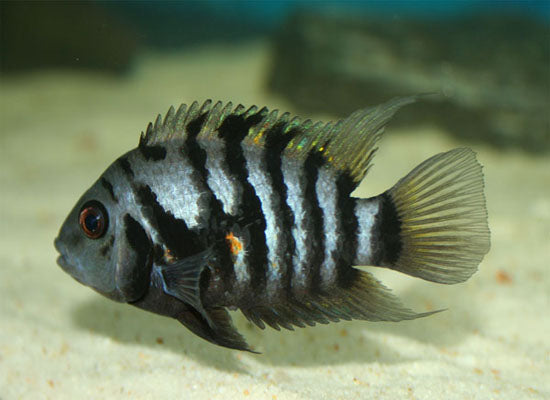
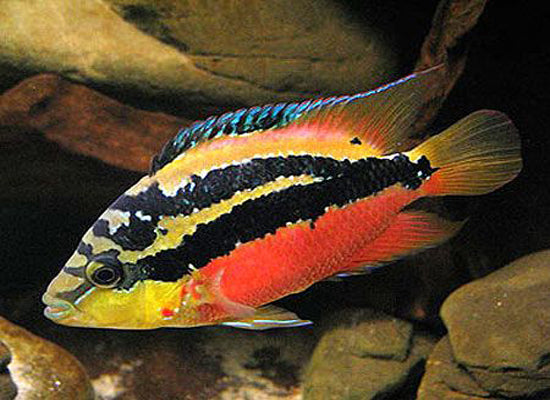
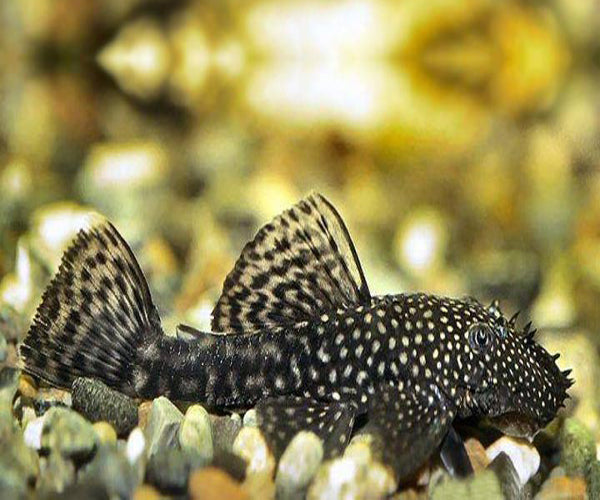
Water & Care Conditions
As a hybrid with Central American ancestry, it's a fairly tolerant, easy-to-please fish on water chemistry:
- pH: 6.5–7.8
- Water hardness: soft to moderately hard, roughly 5–15 dGH
- Temperature: 24–27°C (75–81°F)
- Oxygenation: standard filtration; no special requirement
- Water changes: 20-25% weekly keeps this fish's colour bright and reduces the risk of the fin and mouth issues hybrid cichlids can be somewhat more prone to in poorly maintained water
The mouth shape, not water chemistry, is the one genuinely species-specific care consideration for this fish — feed accordingly. Because Polar and Blood Parrots inherit hardiness from robust Central American parent stock, they tolerate normal tap water and modest fluctuations reasonably well once settled in, making them a forgiving choice for keepers who don't want to fuss over precise chemistry.
That inherited hardiness has limits, though: as with most cichlids, sudden temperature swings and prolonged poor water quality remain the two most reliable ways to trigger illness in an otherwise resilient fish. A dependable heater, a filter rated generously for the tank's eventual bioload, and a consistent maintenance schedule are the practical foundations that let this species live out its unusually long decade-plus lifespan in good health and full colour.
Colour retention deserves a special mention: the vivid white/pink of the Polar form and the bright orange-red of the standard Blood Parrot can both fade over time without a diet that supports pigmentation, particularly if the fish is fed a very plain, low-variety pellet long-term. Many commercial cichlid foods include colour-enhancing ingredients specifically for this reason, and rotating in the occasional shrimp- or krill-based frozen food is a simple, low-effort way to help keep this fish's signature colour looking its best for its entire long lifespan.