About & Origin
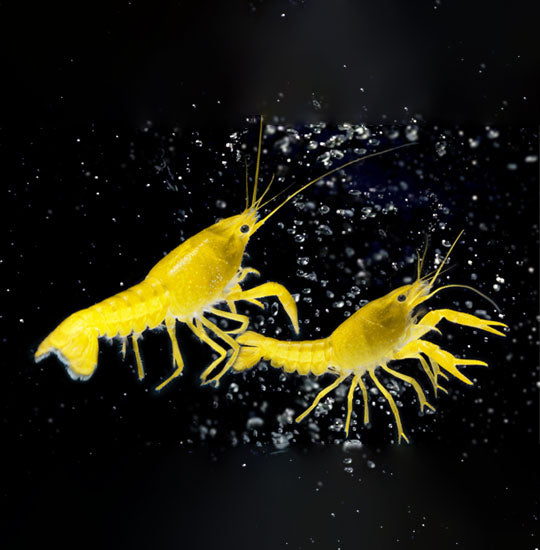
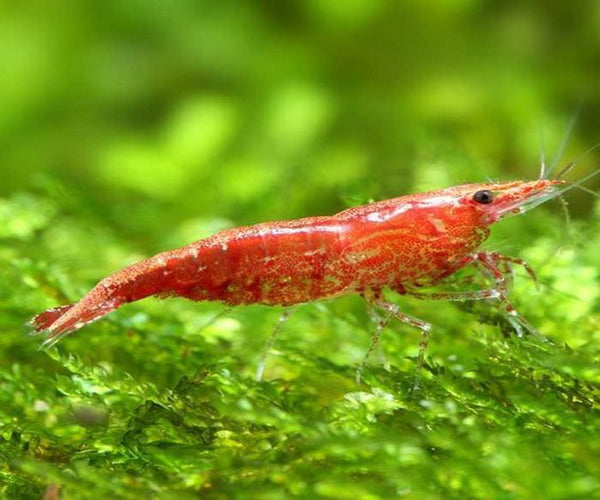
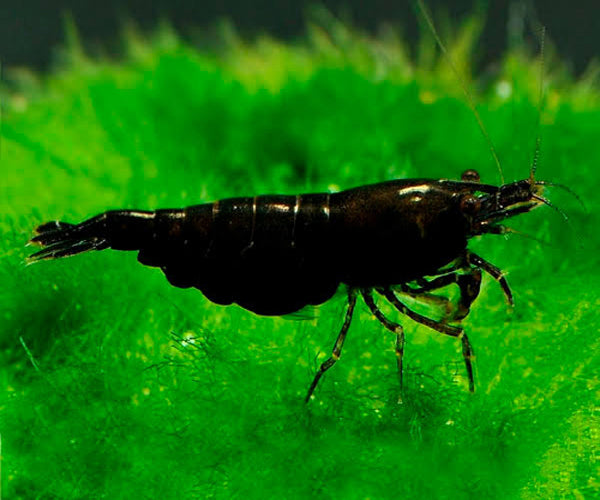
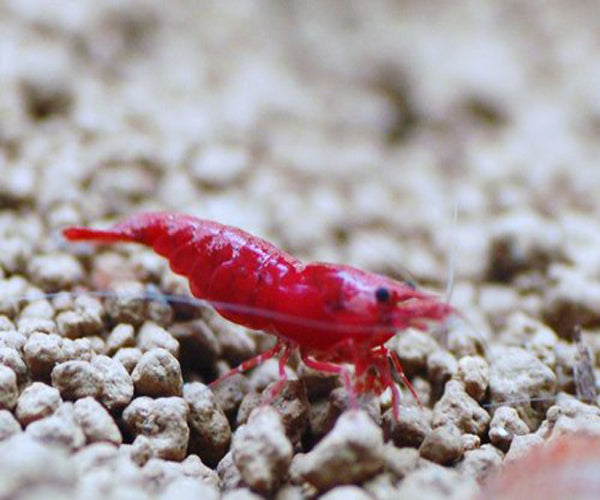
Yellow Shrimp is a small freshwater shrimp -- a colour strain of Neocaridina davidi, native to streams and ponds in Taiwan and southern China. Every colour form in the trade -- red cherry, yellow, black, blue, and many others -- is the same adaptable species, selectively bred over generations for stronger, more saturated colour; wild-type Neocaridina are a plain brownish colour.
They are peaceful algae and biofilm grazers that spend their time picking over plant leaves, decor, and substrate, and breed readily in a stable, mature tank -- females carry visible clusters of eggs under their tail ("berried") and release fully-formed miniature shrimp rather than a larval stage, so a settled colony grows steadily on its own.
Yellow is one of the more solid, evenly saturated Neocaridina colour lines, generally showing less of the patchy or translucent patterning that some other colour strains can display -- a well-bred yellow shrimp typically has consistent colour from head to tail rather than fading toward the extremities. Colour intensity does still vary between individual breeding lines, so specimens from different sources can look noticeably different even under the same "yellow shrimp" name.
Adult size stays small, typically around 2-3cm, which along with their peaceful grazing habits is a large part of why Neocaridina shrimp are so commonly kept alongside plants rather than as a display centrepiece on their own -- they blend into a planted layout as a functional, self-sustaining cleanup crew as much as an ornamental addition.
Requirements
Neocaridina shrimp are one of the easiest invertebrates in the hobby once a few basics are covered.
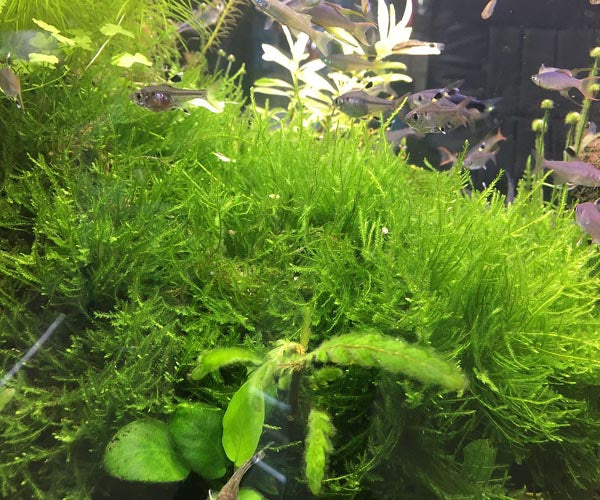
Tankmates matter more than usual: almost any fish large enough to fit a shrimp in its mouth will eat it, especially vulnerable newborn shrimp -- they do best in a species-only shrimp tank, or with only very small, peaceful fish (small tetras, otocinclus) and no larger predatory or semi-aggressive fish.
Stability over time: shrimp are more sensitive to sudden swings in water parameters than most fish, and are notably intolerant of ammonia/nitrite -- they belong in a fully cycled, mature tank, not a brand-new one.
Copper is lethal: many common fish medications and even some tap water sources contain trace copper, which is highly toxic to shrimp at levels that don't bother fish -- always check before medicating a tank that houses shrimp.
They graze on algae/biofilm continuously and appreciate a small supplemental feeding of shrimp-specific food or blanched vegetables a few times a week.
Colony growth: a small starting group left undisturbed in a stable, planted tank will typically breed up into a self-sustaining colony over several months without any deliberate intervention -- moss (like java moss) and other fine-leaved plants are especially valued as both grazing surface and safe cover for newborn shrimp.
Compatibility
Water & Care Conditions
Neocaridina shrimp are adaptable, but breed most successfully and show the strongest colour within a real comfort range:
- pH: 6.5–8.0
- Hardness: moderately hard, roughly 6–20 dGH (some mineral content supports healthy moulting)
- Temperature: 20–26°C (68–79°F) -- notably, they do better long-term slightly cooler than a typical tropical community tank; sustained high heat shortens their lifespan and can suppress breeding
- Oxygenation: appreciates good oxygenation and gentle flow; avoid strong current that fights their small size
Stable, mature water matters far more for shrimp than for most fish -- resist the urge to add them to a newly set up or recently disrupted tank.
Moulting is a regular, normal part of shrimp growth -- an empty, translucent shell left in the tank is shed exoskeleton, not a dead shrimp, and is best left in place for a day or two since shrimp commonly eat their own old shell to reclaim its minerals.
Well-kept Neocaridina shrimp commonly live 1-2 years, with consistent water stability and adequate mineral content being the two biggest factors in reaching the longer end of that range.
New arrivals are especially sensitive during the first days in a new tank -- slow, drip-style acclimation over an hour or more, rather than a quick release, meaningfully improves survival odds for shrimp specifically, more so than for most fish.