Otocinclus Lifespan: How Long Do Otos Live?
Published: 2026-11-01 · FishyKart Blog
The otocinclus (oto) is a tiny algae-eating catfish that grows to only about 1.3-1.8 inches (3.3-4.5 cm). Once it settles into a mature aquarium, an otocinclus usually lives about 3-5 years, and some keepers report longer. The catch is the first month: many otos die within weeks of purchase. Most of those early deaths come from starvation and stress from shipping, not from old age. This guide covers both: how long otos can live and how to get them past the risky first weeks.
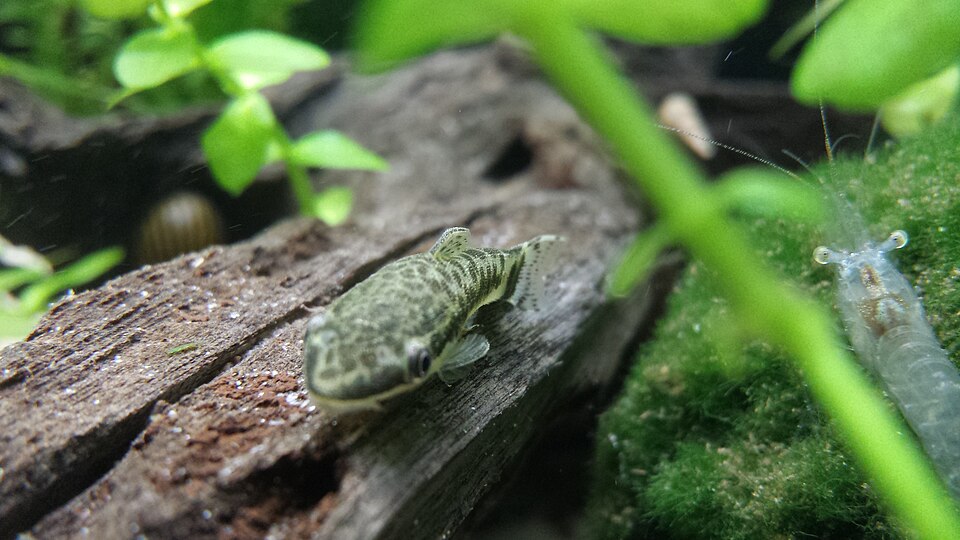
Photo: Evan Baldonado - Wikimedia Commons, CC BY 4.0
Otocinclus Lifespan at a Glance
| Fact | Value |
|---|---|
| Typical lifespan in aquariums | About 3-5 years (hobby estimate) |
| Riskiest period | First 2-6 weeks after purchase |
| Adult size | 1.3 in (3.3 cm) for O. vittatus; up to 1.8 in (4.5 cm) for O. cocama |
| Temperature | 72-79°F (22-26°C), kept steady |
| pH | 6.0-7.5 |
| Group size | 6 or more |
| Smallest tank | About 11 gallons (41 litres), 18 x 12 in (45 x 30 cm) base |
Sources: FishBase species summary for Otocinclus vittatus (size, pH); SeriouslyFish profile for Otocinclus cocama (size, tank, group, delicate imports). Neither source gives a measured lifespan.
Why So Many Otos Die Young
Ask why otocinclus have a short lifespan and the honest answer is that most of them never reach old age. SeriouslyFish notes that otos can be delicate when first imported and benefit from a quarantine tank with good biofilm to graze. The common reasons for early death are:
- Starvation. Many otos in the trade are wild-caught and spend days in transit with little food. They arrive thin, and a brand-new tank has no algae film to feed on. This is the number one killer, covered in detail in our otocinclus care guide.
- Uncycled water. Ammonia and nitrite in a new tank hit small, already weak fish first.
- Fast acclimation. A sudden change of temperature, pH or hardness adds stress at the worst time.
- Being kept alone. A single oto often hides and grazes less.
- The algae runs out. Otos clean a tank fast. Months later they can starve slowly if no vegetables or algae wafers are added.
How to Help an Otocinclus Live 5 Years
- Add them to a mature tank. A tank that has run for at least a couple of months, with soft algae and biofilm on glass, wood and leaves, is the best start.
- Check the belly before buying. Pick fish with rounded bellies. A pinched, hollow belly means the fish is already starving.
- Acclimate slowly. Drip acclimation over 30-60 minutes is safer than a quick bag float. See the otocinclus temperature and water parameters guide for target values.
- Feed vegetables from week one. Blanched zucchini, cucumber or spinach and algae wafers fill the gap when the natural film runs low. Our otocinclus food guide ranks the options.
- Keep a group. Six or more otos settle faster. The otocinclus tank size guide shows how many fit in 10, 20 and 30 gallon tanks.
- Keep water stable. Weekly 20-25% water changes with temperature-matched water beat large, rare changes.
Signs of a Healthy vs Struggling Oto
| Healthy otocinclus | Warning sign |
|---|---|
| Rounded belly seen from below | Sunken, hollow belly |
| Grazes on glass, plants and wood most of the day | Sits still for long periods, does not graze |
| Holds firmly to surfaces | Falls off or lies on its side on the substrate |
| Clear eyes and fins | White patches, clamped fins, fast breathing |
Otos sometimes dart to the surface to gulp air. FishBase notes that facultative air-breathing is known in the genus, so an occasional trip up is normal. Constant surface gulping together with fast gill movement points to poor water or low oxygen.
Does Size or Species Change Lifespan?
Several Otocinclus species are sold under the same name, such as O. vittatus, O. cocama (zebra oto) and O. macrospilus. They are all small, short-bodied grazers with similar needs, and there is no published data showing one lives much longer than another. Size is a better clue to age: a fish under an inch is young, and full adult size is covered in the otocinclus size guide. Captive-bred otos, when you can find them, are usually less starved on arrival than wild-caught ones, so they tend to cope better in the first weeks.
Otocinclus at FishyKart
FishyKart sells otocinclus in its live fish store. Add them to a cycled tank with some algae already growing, and start vegetable feeding early.
View Otocinclus → Browse Live Fish →