What Do Axolotls Eat? Best Foods, Amounts and Schedule
Published: 2026-11-13 · FishyKart Blog
Axolotls eat meat. In captivity the best foods are earthworms, California blackworms and sinking carnivore pellets, with frozen bloodworms or brine shrimp as extras and live baby brine shrimp for hatchlings. Feed babies every day and adults 3-4 times a week: the Ambystoma Genetic Stock Center at the University of Kentucky, which breeds axolotls for research, feeds one-year-olds no more than five pellets a meal. Avoid bait-shop minnows and feeder goldfish.
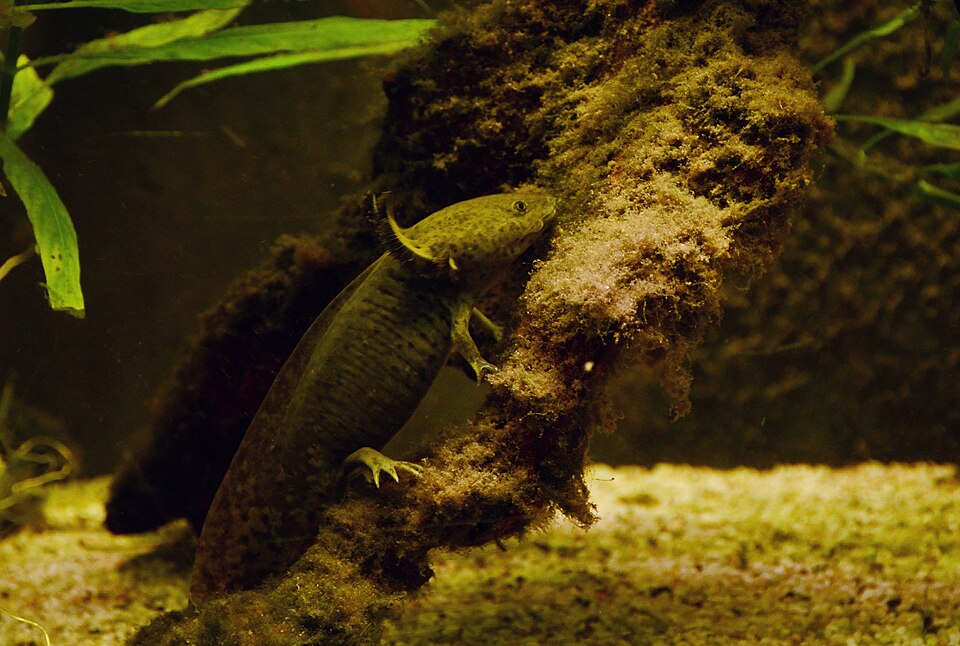
Photo: Vassil - Wikimedia Commons, CC0
Axolotl Foods at a Glance
| Food | Role | Notes |
| Earthworms | staple | the favourite; pesticide-free, chopped for juveniles |
| California blackworms | staple | live, used by research colonies; great for juveniles |
| Sinking carnivore pellets | staple | salmon or axolotl pellets; 1/8 in for young, 3/16 in from about 6 in long |
| Live baby brine shrimp | hatchlings only | daily until the bellies look orange; foul water fast |
| Frozen bloodworms | treat / juveniles | too small and lean for adults as the main food |
| Daphnia, mosquito larvae | extra | good for small axolotls |
| Aquarium-bred feeder fish | rarely | only from your own disease-free tanks |
| Bait-shop minnows, wild fish | never | "usually heavily infested with parasites" (AGSC) |
Pellet sizes, live food stages and the minnow warning follow the Ambystoma Genetic Stock Center husbandry guide.
How Axolotls Eat
An axolotl hunts by smell and movement, then opens its mouth fast and sucks food in together with water. It has small teeth for gripping, not chewing, so food must fit whole in its mouth: a rule of thumb is nothing wider than the space between its eyes. Anything small and moving looks like food, including tank mates, sand grains and gravel. That last point is why the AGSC warns that axolotls swallow gravel, "especially pea-sized", and why bare-bottom or fine-sand tanks are the norm; see our axolotl tank setup guide.
How Much and How Often by Age
| Stage | Main food | How often |
| Hatchling (first weeks) | live baby brine shrimp | daily |
| Larva about 1.5 in (4 cm) | brine shrimp + first small pellets or chopped blackworms | daily |
| Juvenile 2-3 in (5-8 cm) | small pellets, blackworms, chopped earthworms | daily |
| Sub-adult from about 6 in (15 cm) | 3/16 in pellets, whole earthworms | every 1-2 days |
| Adult, one year and older | earthworms, pellets | 3-4 times a week, up to about 5 pellets or 1-2 worms |
Feed what the axolotl finishes in a few minutes and remove leftovers. A healthy adult's belly should be about as wide as its head; a belly much wider than the head means you are overfeeding. Cool water slows digestion, so axolotls kept at the recommended 60-65 F (15-18 C) eat less than warm ones.
Earthworms: The Best Single Food
Earthworms are close to a complete diet: high in protein, the right size for adults and easy to digest. Use worms from a bait supplier that sells them for feeding or from your own pesticide-free garden, rinse them, and cut them into pieces for juveniles. Red wigglers are accepted by some axolotls but taste bitter to many; nightcrawlers are the usual choice. Many keepers keep a small worm bin so they always have food ready.
Pellets and Frozen Food
Sinking pellets made for axolotls or carnivorous fish are the easiest staple and what research colonies rely on. Choose ones that sink and do not float, and soak them for a minute if your axolotl spits them out. Frozen bloodworms and brine shrimp are useful for juveniles and as treats, but they are small and lean, so an adult living only on bloodworms will be underfed. Thaw frozen food in tank water first.
Foods to Avoid
- Bait-shop minnows and wild-caught fish: a common source of parasites.
- Feeder goldfish: carry disease and contain thiaminase, which breaks down vitamin B1.
- Mealworms and other hard-shelled insects: hard to digest.
- Mammal or chicken meat as a regular food: fatty and fouls the water; the AGSC mentions beef liver or heart only as an occasional option.
- Anything treated with pesticides: including garden worms from sprayed lawns.
Axolotl Not Eating?
An axolotl that refuses food for more than a few days is usually telling you about the water. Check, in this order:
- Temperature: above about 72 F (22 C) appetite drops and stress rises.
- Water quality: ammonia and nitrite should read zero; see how to cycle a fish tank.
- Recent changes: a new tank or a move often causes a few days of fasting.
- Gravel or sand impaction: a swollen belly and no droppings need a vet.
More on daily care and warning signs: axolotl care. Planning to buy one in the US? Check where axolotls are legal first.