Molly Fish — Complete Care Guide, Types & Breeding
Published: 2026-09-15 · FishyKart Blog
The Molly fish (Poecilia sphenops) is one of the most popular and beginner-friendly freshwater aquarium fish. A livebearer — meaning it gives birth to free-swimming live fry rather than laying eggs — the Molly is hardy, peaceful, and available in a wide range of colour forms including Black, White, Chocolate, Balloon, and Dalmatian. Mollies thrive in slightly hard, alkaline water (pH 7.5-8.5, hardness 15-30 dGH), temperature 24-28°C (75-82°F), and a minimum 20-gallon (75-litre) tank. They live 3-5 years in captivity, making them one of the most forgiving livebearers for a first-time fishkeeper.
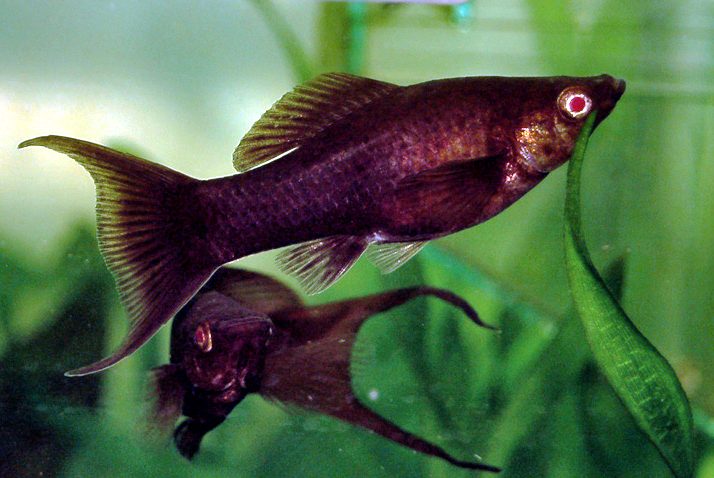
Photo: Marrabbio — Wikimedia Commons, CC BY-SA 3.0
Types of Molly Fish
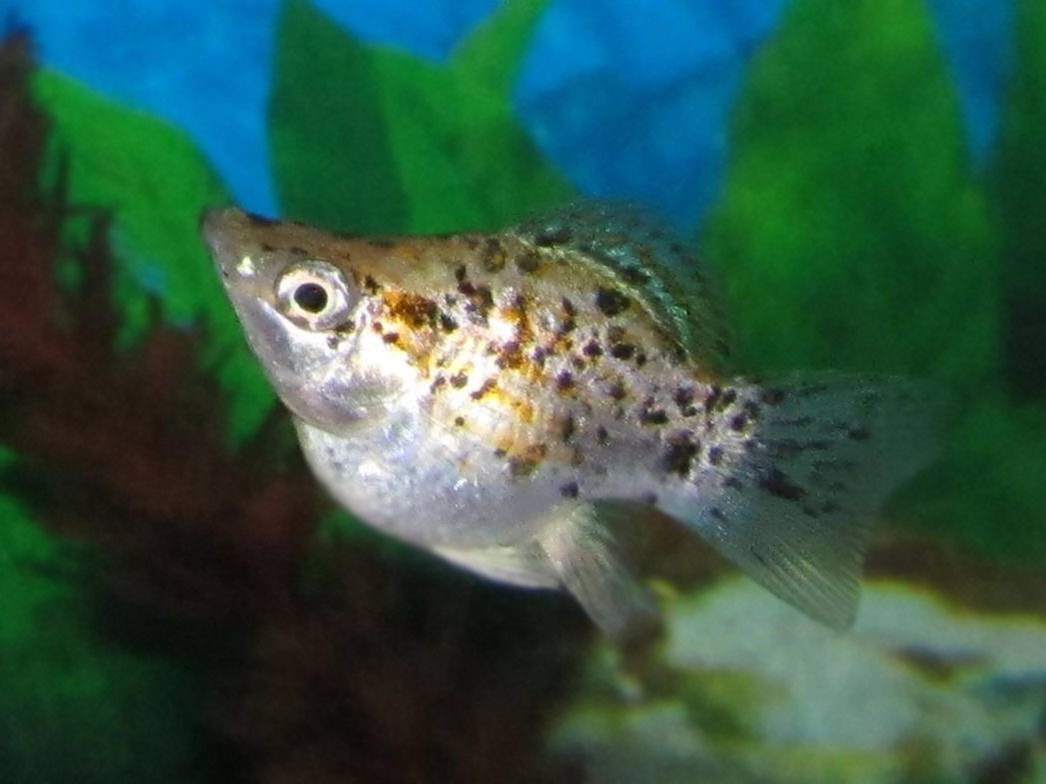
Photo: Gourami Watcher — Wikimedia Commons, CC BY-SA 3.0
- Black Molly (Poecilia sphenops): Jet-black body, one of the most iconic aquarium fish. Extremely hardy and adaptable. The go-to beginner molly.
- White Molly: Albino variant with creamy-white body and pink/red eyes. Peaceful and attractive in planted tanks.
- Chocolate Molly: Deep brown to dark copper colouration. Less commonly stocked; popular with collectors.
- Balloon Molly: Round, compressed body shape due to a spinal curve. Available in black, orange, white, and dalmatian patterns. Moves slowly — avoid aggressive tankmates.
- Dalmatian Molly: White body with irregular black spots, resembling a dalmatian dog. One of the most visually striking mollies.
- Sailfin Molly (Poecilia latipinna): Males develop a spectacular large dorsal fin. Requires slightly larger tank (30+ gallons) and excellent water quality.
- Gold Dust / Creamsicle Molly: Orange-yellow body with gold metallic sheen. A moderately available specialty variety.
Tank Requirements
- Tank size: Minimum 20 gallons (75 litres) for a small group of 6-8 mollies
- Temperature: 24-28°C (75-82°F)
- pH: 7.5-8.5 — Mollies prefer alkaline, slightly hard water. Add crushed coral or aragonite to buffer pH if your tap water runs soft.
- Hardness: 15-30 dGH — harder water than most tropicals. A small pinch of aquarium salt (1 tsp per 10 litres) is beneficial but not mandatory.
- Filtration: Sponge filter or HOB filter rated for 3-4× tank volume. Mollies tolerate moderate current.
- Plants: Live plants — Java Fern, Vallisneria, Hornwort — provide cover for fry and grazing surface for algae.
- Water changes: 20-25% weekly. Mollies are sensitive to ammonia spikes despite being hardy.
Feeding Molly Fish
_fish.jpg)
Photo: Mr.Angelfish — Wikimedia Commons, CC BY-SA 4.0
Mollies are omnivores with a strong preference for plant matter and algae:
- Flakes / micro pellets: a quality staple diet, fed twice daily
- Algae wafers: Mollies naturally graze on algae — algae wafers 2-3× weekly supplement their plant-based diet
- Blanched vegetables: Zucchini, spinach, cucumber — excellent fibre source; prevents constipation
- Frozen / live food: Baby brine shrimp, daphnia, micro worms — essential for conditioning breeding pairs and growing fry
Feed small amounts 2-3 times daily. Mollies are active grazers; supplement with algae growth on tank glass for natural foraging behaviour.
Breeding Molly Fish
Mollies are among the easiest fish to breed in captivity — they breed continuously without any special intervention:
- Gestation period: 28-40 days depending on temperature and species
- Litter size: 20-100 live fry per birth. Larger, older females produce bigger litters.
- Breeding frequency: Every 4-6 weeks. A single mating can produce multiple litters (sperm storage).
- Identifying gravid females: Swollen belly, dark gravid spot near anal fin. Separate to a breeding box or fry tank when gravid spot is very dark.
- Fry care: Fry are born free-swimming and large enough to eat crushed flake food immediately. Provide dense plant cover (Java Moss, floating plants) for fry survival in community tanks.
- Sex ratio: Keep 1 male to 2-3 females to reduce female stress from constant male attention.
Tank Mates
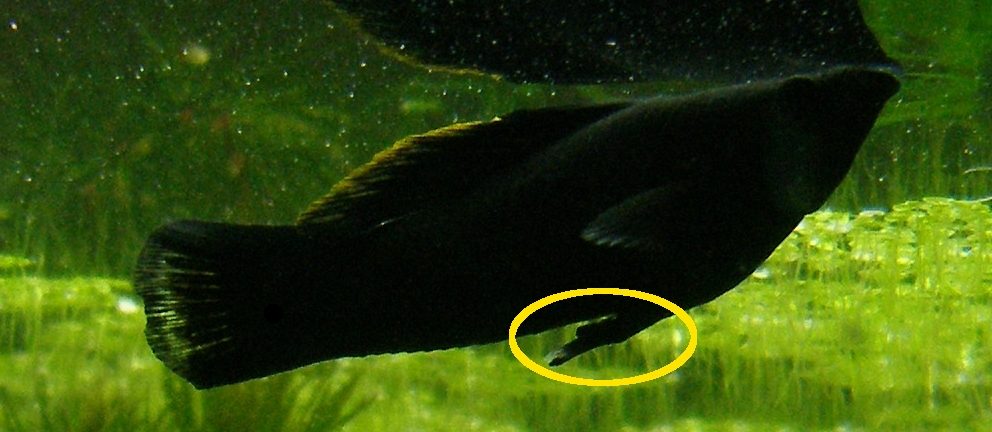
Photo: Taken by Darkmax — Wikimedia Commons, CC BY-SA 4.0
Mollies are peaceful community fish. Best tank mates:
- Excellent: Guppies, Platies, Swordtails, Endlers, Corydoras Catfish, peaceful Tetras (Neon, Cardinal)
- Good: Harlequin Rasboras, Cherry Barbs, Otocinclus, small Loaches
- Avoid: Aggressive fin-nippers (Tiger Barbs), large cichlids, Oscars, Flowerhorns — all will attack Mollies
- Avoid Balloon Molly with: Fast swimmers and fin-nippers — their round body makes escape difficult
Buy Molly Fish Online
FishyKart stocks Black Mollies, White Mollies, Chocolate Mollies, Balloon Mollies, and more. Every fish is quarantined and health-checked before it's listed for sale.
Buy Molly Fish → Browse All Live Fish →