Red Tail Catfish — Care Guide & Price in India
Published: 2026-04-11 · FishyKart Blog
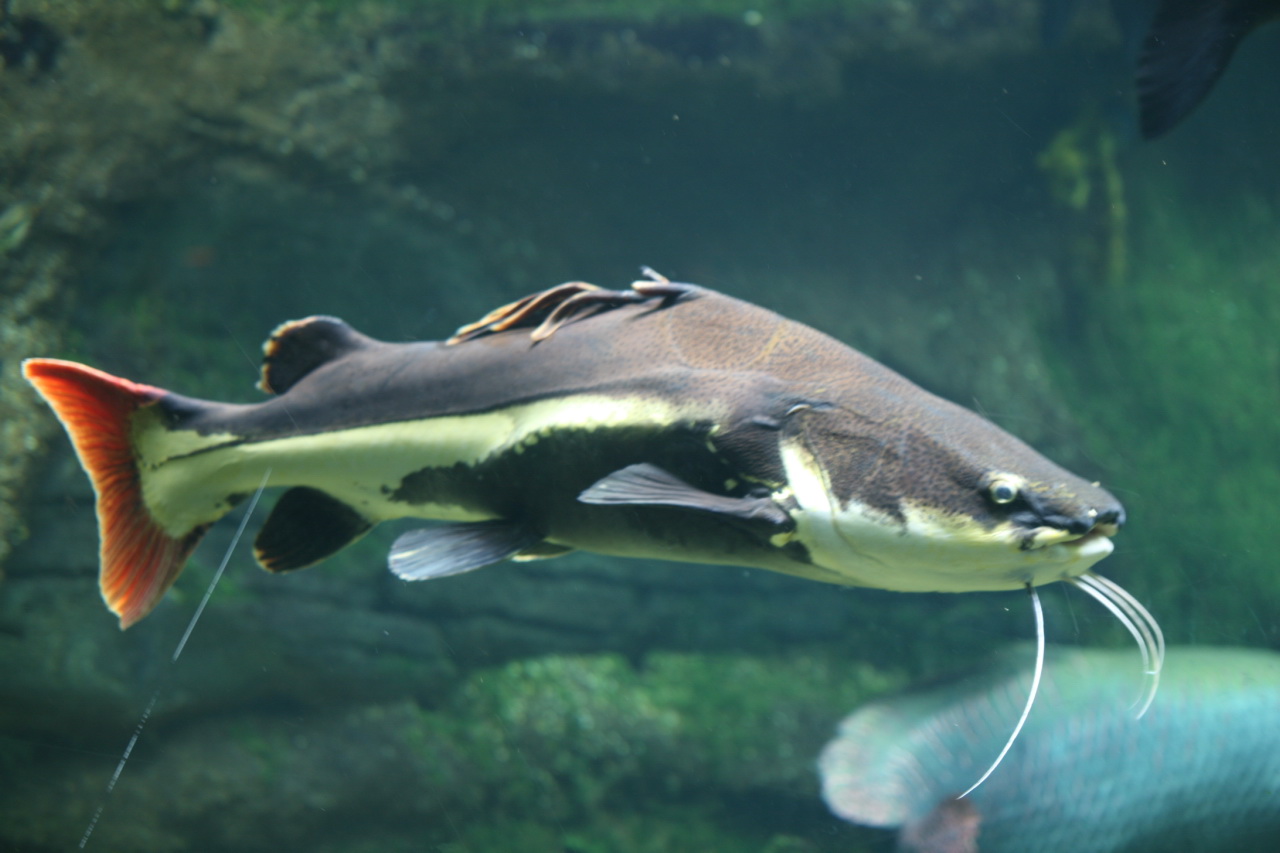
The Red Tail Catfish (Phractocephalus hemioliopterus), also known as the RTC or red-tailed catfish, is one of the most dramatic and demanding freshwater aquarium fish in the world. Native to the Amazon and Orinoco river basins of South America, this giant predatory catfish is instantly recognisable by its jet-black or dark grey body, brilliant white lateral stripe, and vivid red-orange tail. In the wild it grows to 120 cm (4 feet) and weighs up to 44 kg. In aquariums, specimens commonly reach 60–80 cm (24–32 inches) within 2–3 years. Tank requirements are extreme: adults need a minimum 4,000-litre (1,000-gallon) tank. Water temperature: 20–26°C, pH 6.0–7.5. Lifespan is 15–20 years in captivity. In India, juvenile Red Tail Catfish cost ₹500–₹1,000 and larger specimens cost ₹1,500–₹3,000+.
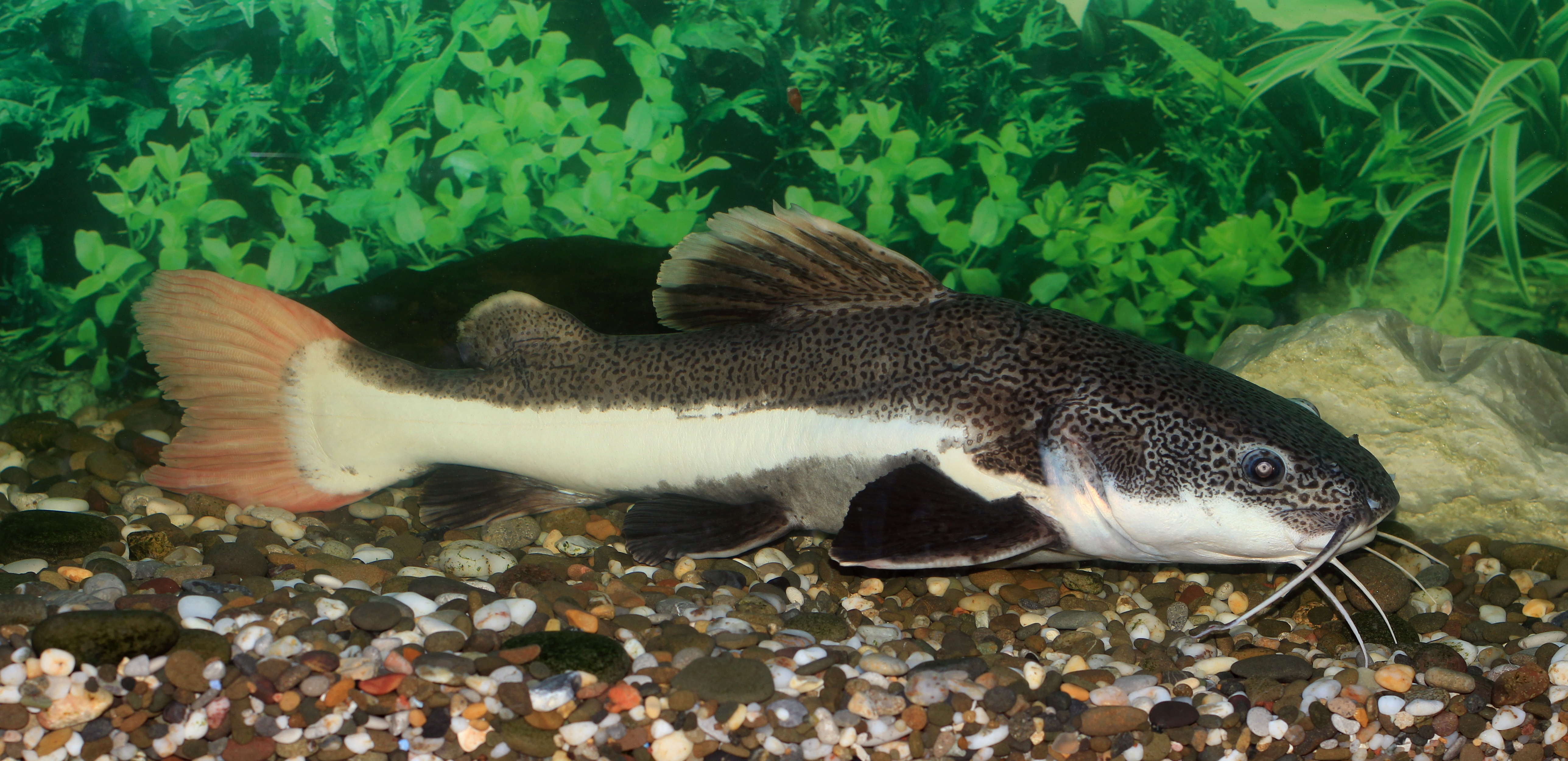
What Is the Red Tail Catfish?
The Red Tail Catfish belongs to the family Pimelodidae — the long-whiskered catfishes of South America. It is the sole species in the genus Phractocephalus and has no close relatives among common aquarium fish. Its common names derive from its most striking feature: a brilliant orange-red caudal (tail) fin that contrasts sharply with its dark body. The wide, flattened head with a huge terminal mouth is adapted for ambush predation — the RTC is a lurking predator that engulfs prey in a single strike. In the wild it consumes fish, crustaceans, fallen fruit, and even small mammals that enter the water.
The Red Tail Catfish has been kept in aquariums for decades and remains popular despite its enormous size requirements, largely due to its striking appearance, interactive personality, and the fact that it recognises its owner and will actively approach for food.
Red Tail Catfish Price in India
- Juvenile (5–10 cm): ₹500–₹800
- Sub-adult (15–25 cm): ₹800–₹1,500
- Large specimen (30–50 cm): ₹1,500–₹3,000
- Extra large / display quality (50+ cm): ₹3,000–₹6,000+
Note: The purchase price is the smallest cost of RTC ownership. A custom 4,000-litre tank, industrial-grade filtration, and a large food budget are the real considerations before buying.
How Big Do Red Tail Catfish Get?
| Age | Typical size (aquarium) |
|---|---|
| 6 months | 15–25 cm |
| 1 year | 25–35 cm |
| 2 years | 40–55 cm |
| 3–5 years | 55–75 cm |
| Adult (max) | 60–80 cm (aquarium); up to 120 cm in wild |
Growth rate depends heavily on feeding frequency and tank size. Larger tanks and more frequent feeding produce faster growth.

Care Requirements
Tank Requirements
- Juvenile (under 30 cm): Minimum 500 litres (130 gallons)
- Sub-adult (30–50 cm): Minimum 1,500 litres (400 gallons)
- Adult (50+ cm): Minimum 4,000 litres (1,000 gallons) — custom indoor pond or purpose-built tank
- Temperature: 20–26°C (optimal 24°C)
- pH: 6.0–7.5
- Water hardness: 2–15 dGH (soft to moderately hard)
- Filtration: Industrial-grade, minimum 10x tank volume turnover per hour; RTCs produce massive waste
- Substrate: Bare bottom or large smooth river stones — they disturb and swallow smaller substrate
- Decor: Minimal — large PVC pipes or concrete tunnels for hiding. Avoid anything that can be swallowed
- Water changes: 30–40% weekly minimum; ammonia spikes kill RTCs quickly
Feeding Red Tail Catfish
Red Tail Catfish are opportunistic carnivores with enormous appetites:
- Juveniles: Earthworms, prawns, large cichlid pellets, chopped fish fillet
- Sub-adults and adults: Large whole prawns, tilapia fillets, catfish pellets (Hikari Massivore), whole small fish
- Feeding frequency: Juveniles every day; adults 3–4 times per week — overfeeding causes fatty liver disease and premature death
- Avoid: Feeder goldfish (thiaminase, disease risk), mammal meat (beef, chicken — causes organ damage long-term), live fish from unknown sources
RTCs will attempt to swallow anything that fits in their mouth — including tank equipment, decoration, and even hands. Never hand-feed without extreme caution.

Behaviour & Compatibility
Behaviour
Red Tail Catfish are solitary, ambush predators by nature. Despite their size, they are relatively inactive during the day — preferring to rest motionless near the bottom or inside a hiding spot, becoming more active at dusk. They are highly intelligent and form strong bonds with their keeper — recognising feeding times, approaching the glass when they see familiar people, and even allowing gentle handling in some cases. However, their predatory instinct is always active: anything small enough to fit in their mouth will be eaten, often at night.
Tank Mates
Tank mate options for adult RTCs are extremely limited:
- Possible companions: Other giant catfish species of similar size (Redtail x Tiger Catfish — in very large tanks), large Arapaima (specialist only), large Stingrays (in massive setups)
- Avoid: Any fish smaller than the RTC ’s mouth width — they will be eaten. This includes Oscars, Flowerhorns, large cichlids, and even Plecos in most cases
- Best setup: Solo specimen in a dedicated tank
Many experienced RTC keepers recommend a species-only setup — the fish is impressive enough on its own and attempting community setups leads to lost tank mates.
Is the Red Tail Catfish Right for You?
✓ RTC is right for you if:
- You have (or can build) a custom 4,000+ litre tank or indoor pond
- You have industrial-grade filtration and a large water change setup
- You are committed to 15–20 years of ownership
- You have a plan for rehoming if circumstances change
✗ RTC is NOT right for you if:
- You have a standard home aquarium under 500 litres
- You are a beginner or intermediate fishkeeper
- You are attracted by the cute juvenile size — it will not stay small
- You cannot commit to long-term specialist care
Buy Red Tail Catfish Online in India
Why Buy from FishyKart?
FishyKart stocks juvenile Red Tail Catfish — healthy, well-fed specimens with a live arrival guarantee. We ship overnight express to Mumbai, Delhi, Bangalore, Hyderabad, Chennai, Kolkata, Pune, and all major Indian cities. All our RTCs are captive-raised and disease-free.
Browse All Live Fish → Shop Large Fish →