Shrimps, Lobsters & Snails
Buy Shrimps, Lobsters & Snails Online
Freshwater invertebrates — including aquarium shrimps, crayfish (freshwater lobsters), and snails — are kept for algae control, tank cleaning, and as display animals. The albino crayfish, also called white lobster or white crayfish, is a pigment-free colour morph of Procambarus clarkii and is one of the most searched exotic invertebrates in the hobby. Shrimps such as Neocaridina davidi (Cherry Shrimp) and snails such as Nerite (Neritina sp.) are suitable for community tanks from 20 litres upward. FishyKart delivers live, healthy invertebrates across India with a live arrival guarantee.
Freshwater Lobsters & Crayfish
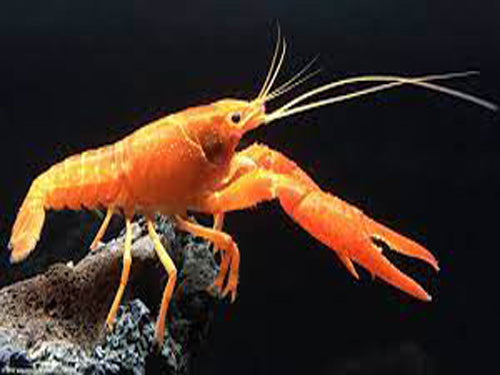
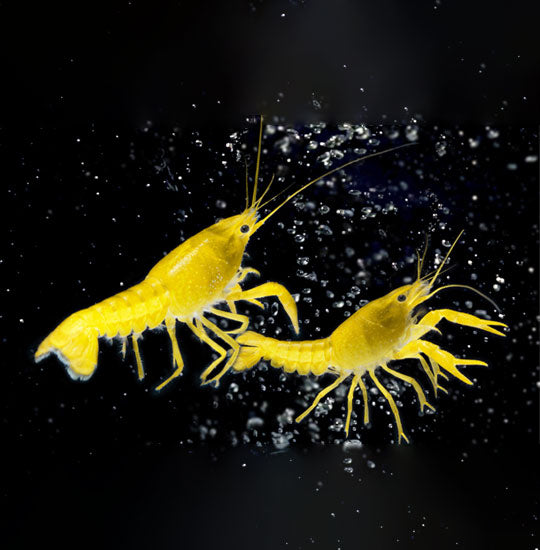
Freshwater crayfish are crustaceans of the order Decapoda, families Cambaridae and Parastacidae. They are territorial, omnivorous, and actively hunt slow-moving tank mates — so invertebrate-only or fast-fish community tanks are recommended.
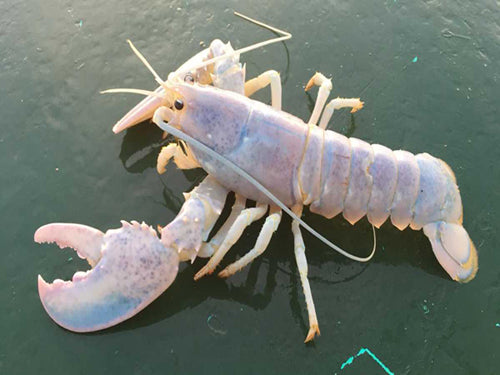
- Albino Crayfish — White Lobster (Procambarus clarkii, albino morph): The albino crayfish lacks melanin entirely, producing a white-to-cream body with red eyes. It reaches 10–12 cm, requires a tank of at least 80 litres with PVC pipe or cave hiding spots, and thrives at 18–24 °C, pH 7.0–8.0, hardness 8–16 dGH. Also known as white crayfish or albino crawfish in American markets, this morph commands a significant price premium over wild-type red swamp crayfish due to its rarity and visual impact.
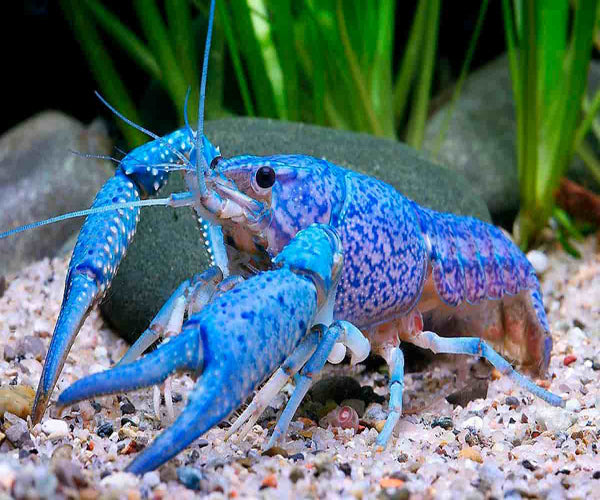
- Electric Blue Crayfish (Procambarus alleni): Native to Florida, USA. Reaches 10–12 cm; males develop red patches on the claws (chelae) at sexual maturity. Tank requirements match the albino crayfish. Electric blue colouration intensifies against dark substrates (black sand, slate).
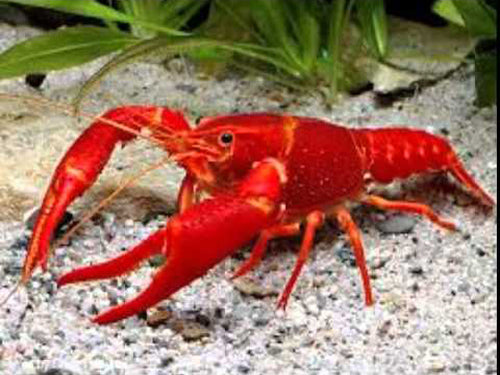
- Red Claw Crayfish (Cherax quadricarinatus): An Australian species reaching 20 cm; one of the largest freshwater crayfish kept in aquaria. Males develop a bright red patch on the outer margin of each claw. Requires 150+ litres; temperature 22–28 °C; pH 7.0–8.5.
Note: all crayfish will consume aquatic plants and invertebrates smaller than themselves. Use robust, fast-growing plants (Java Fern, Anubias) attached to hardscape if planting a crayfish tank.
Aquarium Shrimps
Aquarium shrimps are invertebrates of the family Atyidae and Palaemonidae. They are efficient biofilm, algae, and detritus consumers, reducing manual cleaning requirements in planted and community tanks.
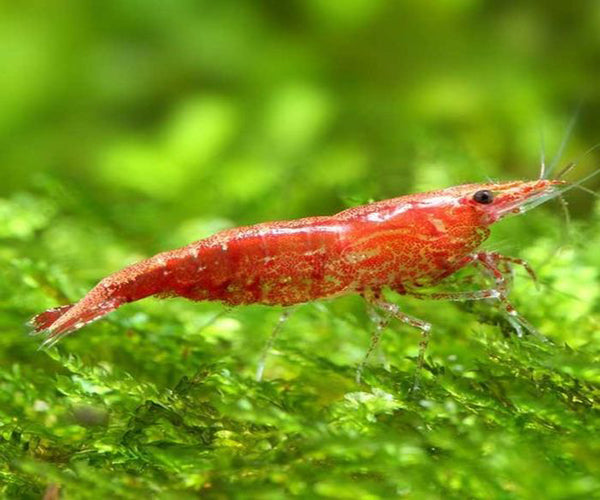
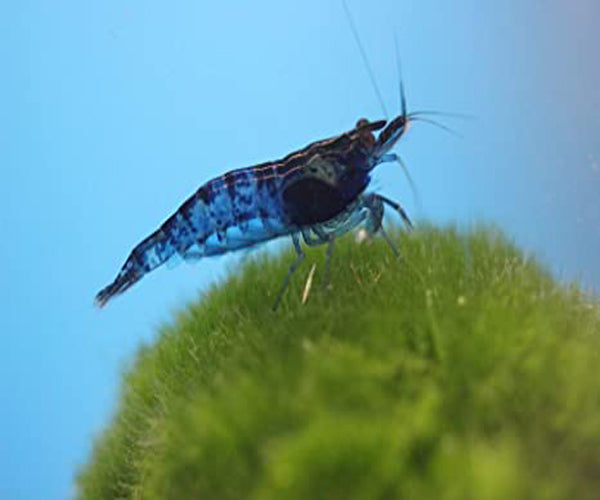
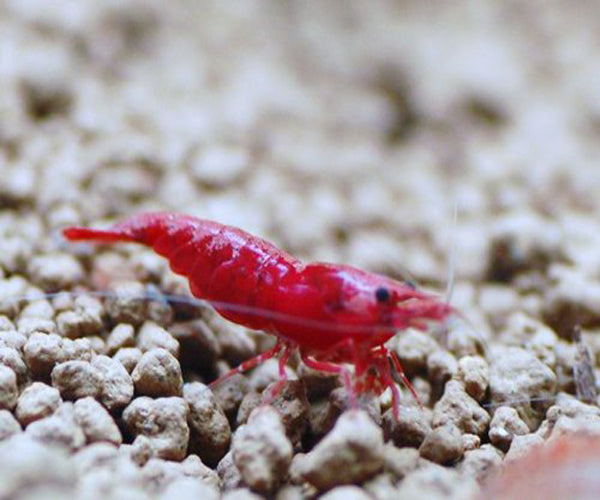
- Cherry Shrimp (Neocaridina davidi): The most beginner-friendly freshwater shrimp. Available in red (Cherry), yellow (Neon Yellow), orange (Pumpkin), and blue (Blue Dream) colour morphs — all are the same species. Hardy across pH 6.5–8.0, temperature 18–28 °C. Keep in groups of 10 or more; females carry bright red/yellow eggs under the abdomen.
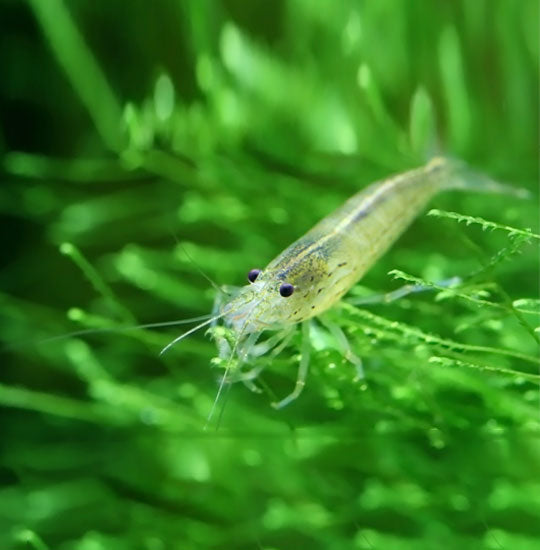
- Ghost Shrimp / Glass Shrimp (Palaemonetes paludosus): Nearly transparent; internal organs visible through the body wall. Excellent scavengers. Hardy and inexpensive — widely used as a feeder species for Flowerhorn and Arowana. Temperature 18–27 °C, pH 7.0–8.0.
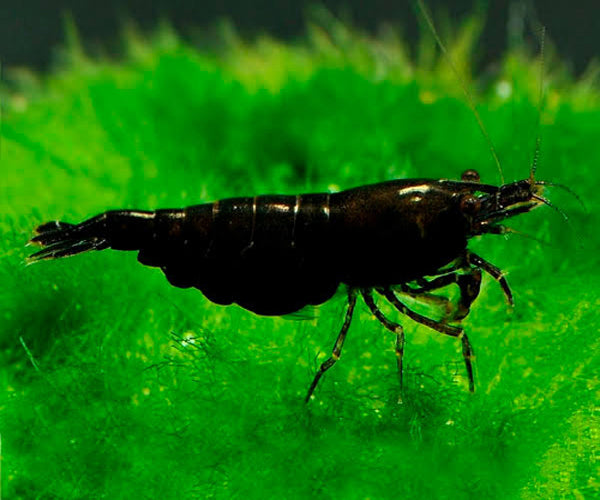
- Crystal Red / Crystal Black Shrimp (Caridina cantonensis): High-grade collector shrimp graded S, SS, SSS, and King by the intensity of white banding. Demanding: require soft water (TDS 100–150, pH 6.0–6.8, temperature 20–24 °C) and a fully cycled, mature tank. Not recommended for beginners.
Snails for Your Tank
Aquarium snails are gastropod molluscs that perform biological maintenance — consuming algae, breaking down uneaten food, and aerating substrate through movement.
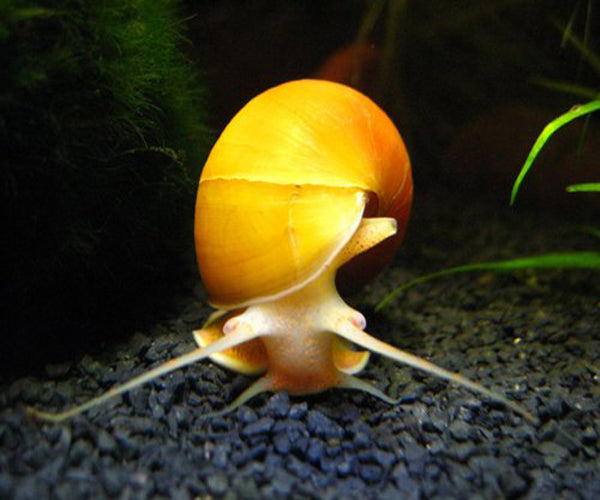
- Mystery Snail (Pomacea bridgesii): Available in gold, blue, purple, ivory, and jade colour forms. Reaches 5–6 cm (golf ball size). Does not eat healthy plant tissue — safe for planted tanks. Breathes atmospheric air via a siphon tube; a tank lid is required to prevent escape. Temperature 18–28 °C, pH 7.0–8.0.
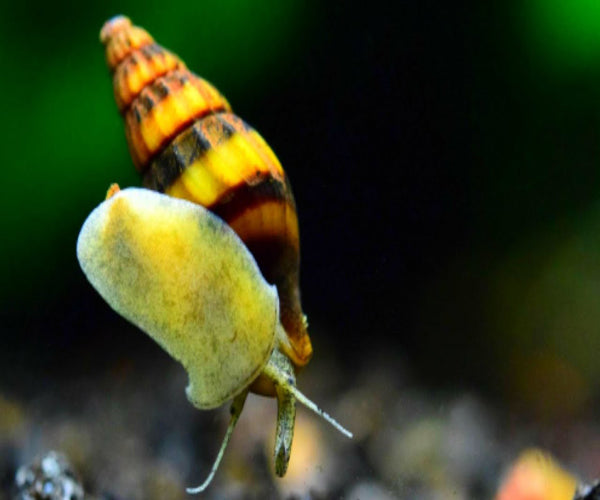
- Nerite Snail (Neritina sp. — including Zebra, Horned, and Olive Nerite): The most effective algae-grazing snail in the hobby, consuming green spot algae, green dust algae, and diatoms that other snails ignore. Cannot complete its reproductive cycle in freshwater — eggs are laid but do not hatch, eliminating population explosion risk. Temperature 22–28 °C, pH 7.0–8.5.
Care Tips for Freshwater Invertebrates
- Acclimation: Use the drip method (1 drop/second for 45–60 minutes) — invertebrates are 3–5× more sensitive to osmotic shock than fish.
- Copper toxicity: Copper sulphate and copper-based medications are lethal to all shrimps, snails, and crayfish at concentrations as low as 0.1 ppm. Check medication labels before treating any invertebrate tank.
- Moulting: All crustaceans (shrimps, crayfish) shed their exoskeleton to grow. Do not remove the shed shell — it contains calcium carbonate that the animal will consume to harden its new exoskeleton.
- Feeding: Supplement natural grazing with invertebrate wafers (Hikari Crab Cuisine, Shirakura), blanched zucchini, and spinach. Indian almond leaves lower pH slightly and provide biofilm surface area for shrimps.
- Water hardness: Shrimps and snails require adequate GH (6–10 dGH minimum) to build and maintain their shells and exoskeletons. Soft water causes chronic moulting failure in shrimps.
Why Choose FishyKart?
FishyKart sources freshwater invertebrates from specialist breeders in India, Taiwan, and Thailand. Every shipment of shrimps, crayfish, and snails is quarantined before dispatch and packed in insulated, oxygen-sealed bags for safe transit. We offer a live arrival guarantee on all invertebrate orders — if your animals arrive DOA, we reship or refund. Browse our current stock of albino crayfish, Cherry Shrimp, Crystal Red Shrimp, Mystery Snails, and Nerite Snails, or contact us for rare and seasonal species availability.