Gold, Koi, Angels & Barb's
Goldfish, Koi, Angelfish & Barbs — Care Guide & Buy Online
Goldfish (Carassius auratus), Koi (Cyprinus rubrofuscus), Angelfish (Pterophyllum scalare), and Barbs (genera Puntigrus, Pethia, Barbodes) represent four of the most popular and widely kept groups of aquarium and pond fish globally. Goldfish and Koi are coldwater species thriving at 10–22 °C, suitable for ponds and unheated indoor aquaria; Angelfish are tropical South American cichlids requiring 24–30 °C in soft, acidic planted tanks; and Barbs are active, schooling tropical fish from South and Southeast Asia requiring groups of 6+ to prevent fin-nipping aggression. Each group has distinct requirements — choosing the right species for your setup is essential. FishyKart delivers all four groups live across India with a live arrival guarantee.
Goldfish & Koi — Carassius auratus
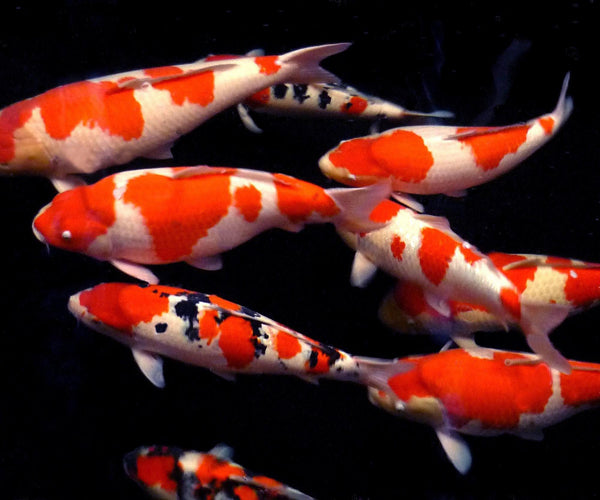
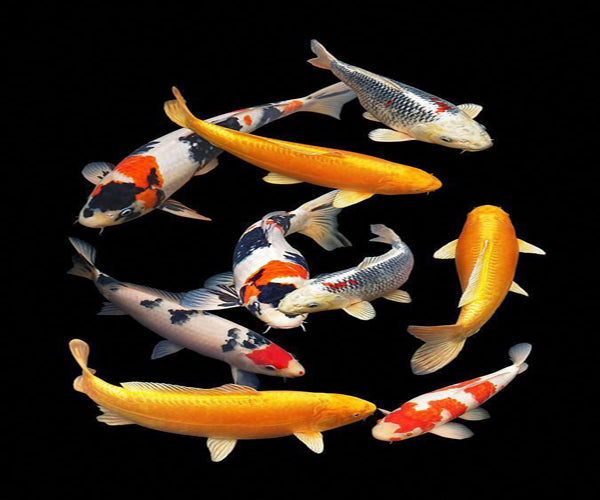
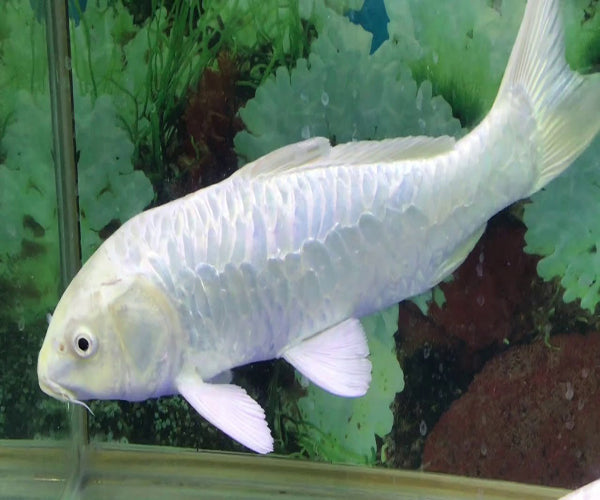
Goldfish are the world's oldest ornamental fish, selectively bred in China for over 1,000 years from wild carp. Koi are domesticated Cyprinus rubrofuscus developed in Japan, prized for their large size and pattern variety.
- Temperature: 10–22 °C (coldwater) — do NOT house with tropical fish; incompatible temperature requirements
- Goldfish tank size: 75 litres minimum for one fancy goldfish; 150+ litres for two; goldfish produce extreme bioload and grow to 20–30 cm
- Koi pond size: Minimum 2,000 litres for a small Koi pond; Koi reach 60–90 cm and require very high-volume filtration
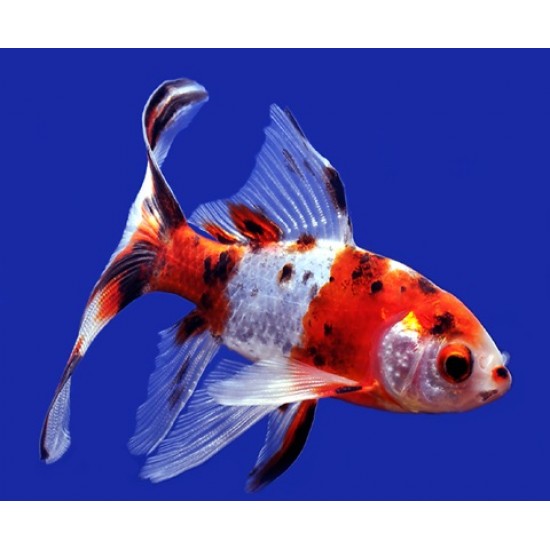
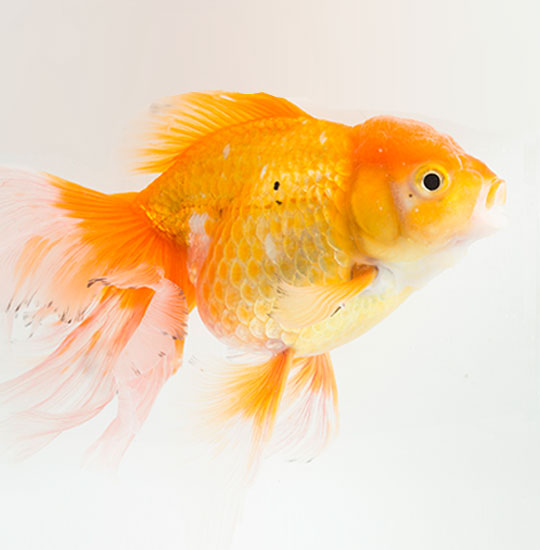
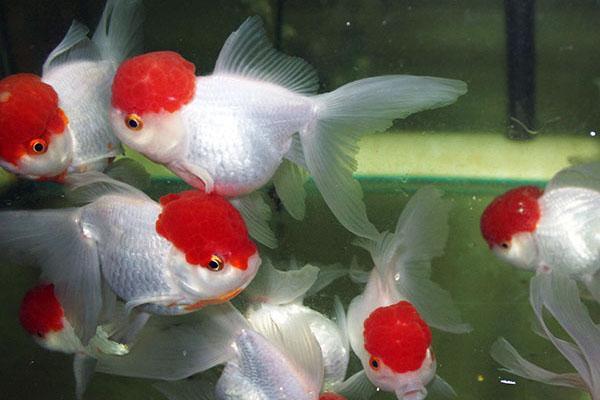
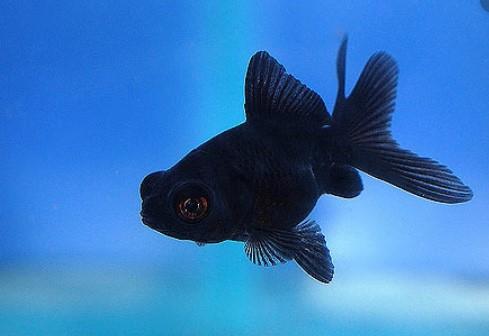
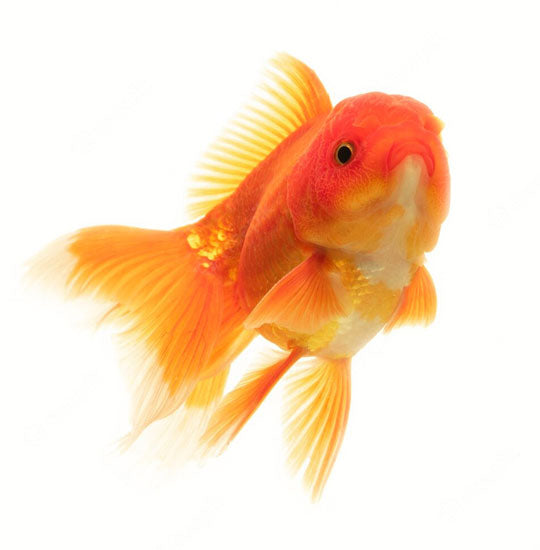
- Common Goldfish varieties: Common (torpedo-shaped, 30+ cm), Comet, Shubunkin, Ryukin, Oranda (lion's head growth), Black Moor (telescope eyes), Ranchu
- Koi varieties: Kohaku (white + red), Sanke (white + red + black), Showa, Ogon (metallic), Butterfly Koi (long fins)
- Goldfish care key points: High filtration (10× tank volume per hour), weekly 30–40% water changes, no live plants (will be eaten), sand or bare-bottom substrate, temperature-appropriate pellet diet
- Avoid: Tropical fish, small tanks, gravel substrate (swallowed by Goldfish causing intestinal blockage)
Angelfish — Pterophyllum scalare
Angelfish are tall, laterally compressed South American cichlids native to the Amazon, Orinoco, and Essequibo river systems. They are one of the most elegant and widely recognised aquarium fish in the world, available in dozens of colour variants including Silver, Black, Koi, Gold, Marble, Zebra, and Albino.
- Size: 15 cm in length; up to 25 cm in height including dorsal and anal fins — tank height matters
- Tank size: 100 litres minimum for a pair; 200+ litres for a group of 6; tall tanks (50+ cm) preferred over low, wide tanks
- Temperature: 24–30 °C; pH 6.0–7.5; hardness 3–10 dGH (soft, slightly acidic)
- Setup: South American planted tank with tall background plants (Vallisneria, Amazon Sword), driftwood, and dim lighting; Angelfish display best colouration in subdued light
- Tank mates: Large Tetras (Cardinal, Rummy Nose, Congo), Corydoras, Dwarf Cichlids (Apistogramma), Discus in large tanks; avoid Neon Tetras (will be eaten by adults), Tiger Barbs (fin nippers), and aggressive cichlids
- Breeding: Pairs form strong bonds and are substrate spawners — they lay eggs on flat leaves, driftwood, or slate; both parents guard eggs and fry
Barbs — Active Schooling Fish
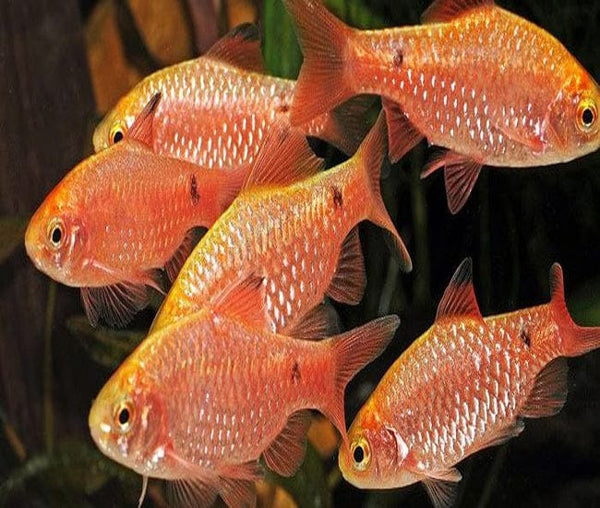
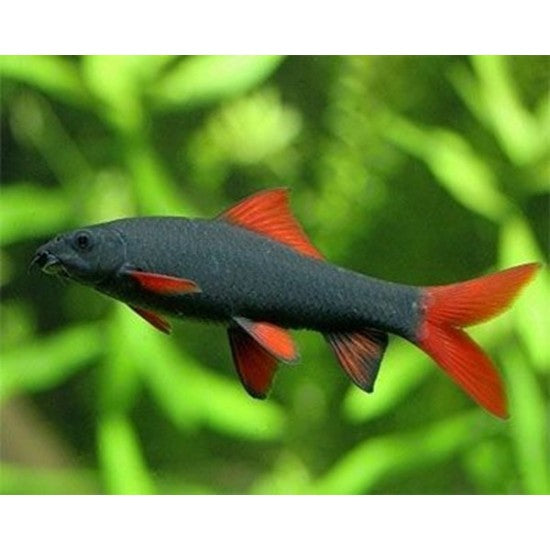
Barbs are energetic, fast-moving schooling fish from South and Southeast Asian rivers. They are hardier than most community fish but have a well-deserved reputation for fin-nipping when kept in groups below 6 — always school barbs in groups of 8+ to direct their energy toward each other rather than tank mates.
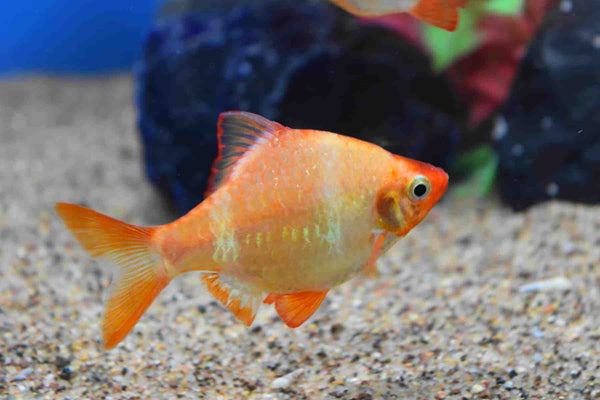
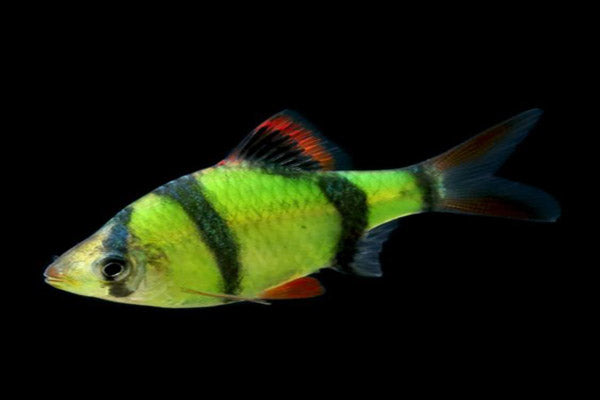
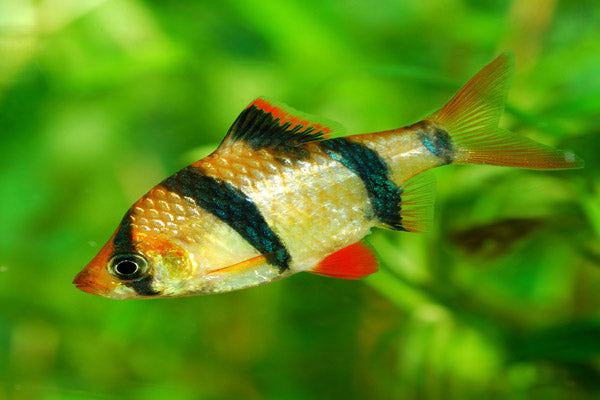
- Tiger Barb (Puntigrus tetrazona): The most widely kept barb. Reaches 7–8 cm; four vertical black bands on an orange-gold body. Highly active, notorious fin-nipper when under-schooled. Keep in groups of 10+ to minimise aggression toward tank mates. Temperature 20–26 °C, pH 6.0–7.5. Available in Green (moss), Albino, and Platinum variants. Best kept in a species-only or barb-only tank.
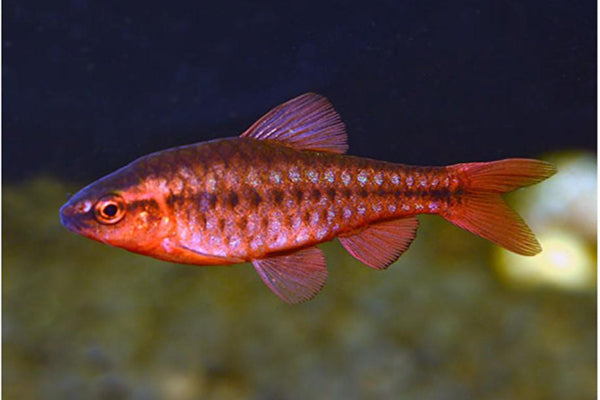
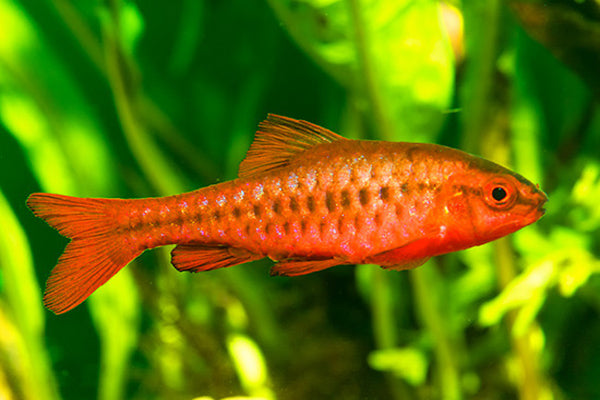
- Cherry Barb (Pethia titteya): A small, peaceful barb reaching 5 cm; males develop vivid cherry-red colouration during breeding. One of the few barbs safe for community tanks with long-finned fish — far less aggressive than Tiger Barbs. Requires dense planting for males to display. Temperature 23–27 °C, pH 6.0–7.5. Sri Lanka endemic — buy only captive-bred specimens.
- Rosy Barb (Pethia conchonius): A larger barb reaching 14 cm; males display pink-red colouration. One of the hardiest barbs — tolerates temperatures as low as 18 °C, making it suitable for unheated tanks in warm climates. Compatible with medium and large community fish. Temperature 18–26 °C, pH 6.5–7.5.
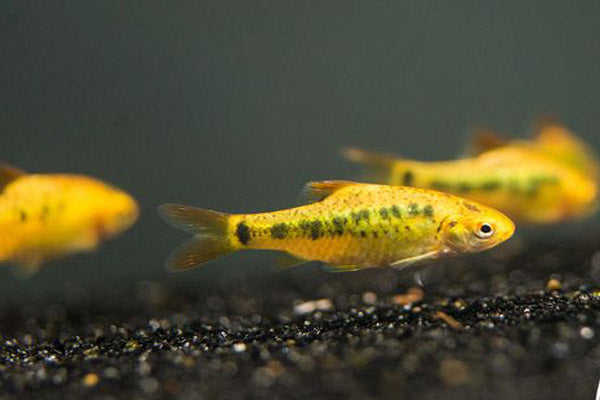
- Gold Barb (Barbodes semifasciolatus): Golden-yellow body with faint dark markings; reaches 7 cm. Peaceful relative to Tiger Barbs; suitable for community tanks. Temperature 18–24 °C, pH 6.0–8.0.
Tank Requirements by Group
- Goldfish: 75+ litres, 10–22 °C, pH 7.0–8.0, heavy filtration, weekly large water changes
- Koi: 2,000+ litre pond, 10–22 °C, pH 7.0–8.0, pond filter with UV steriliser
- Angelfish: 100+ litres (tall tank), 24–30 °C, pH 6.0–7.5, soft water, planted setup
- Tiger Barb: 100+ litres, 20–26 °C, pH 6.0–7.5, groups of 10+, species-only or barb-community
- Cherry Barb: 60+ litres, 23–27 °C, pH 6.0–7.5, groups of 8+, community-safe
- Rosy Barb: 120+ litres, 18–26 °C, pH 6.5–7.5, groups of 6+
Why Buy from FishyKart?
FishyKart stocks Fancy Goldfish (Oranda, Ryukin, Black Moor, Ranchu), Koi (Kohaku, Sanke, Ogon), Angelfish (Silver, Koi, Black, Marble), Tiger Barbs, Cherry Barbs, and Rosy Barbs sourced from specialist breeders across India. All fish are quarantined and health-checked before dispatch. Goldfish and Koi are available in show and pond grades; Angelfish available as juveniles and breeding pairs. We ship in insulated, oxygen-sealed packaging with a live arrival guarantee across India.