Cichlids
Cichlids — Complete Care Guide & Buy Online
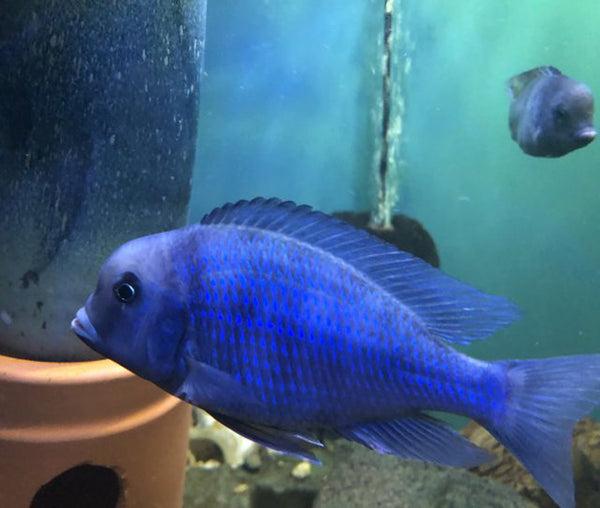
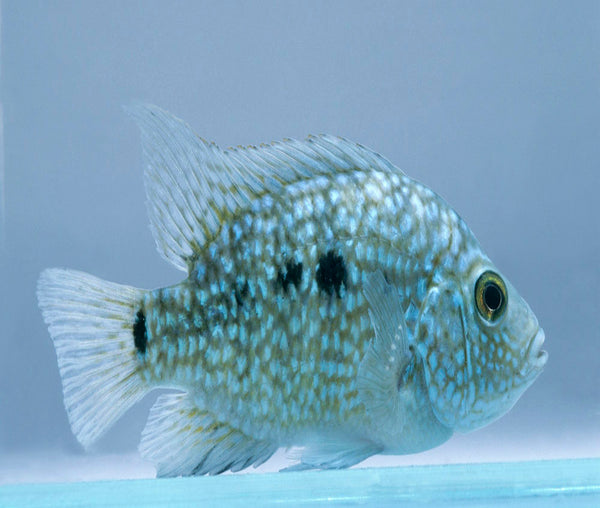
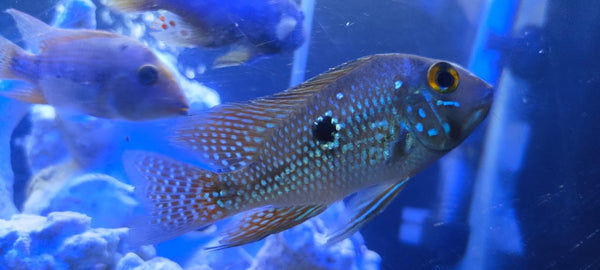
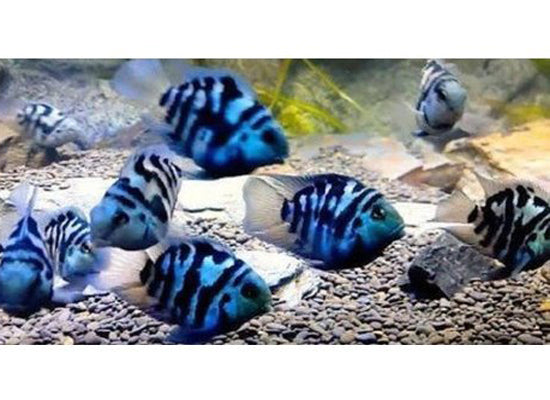
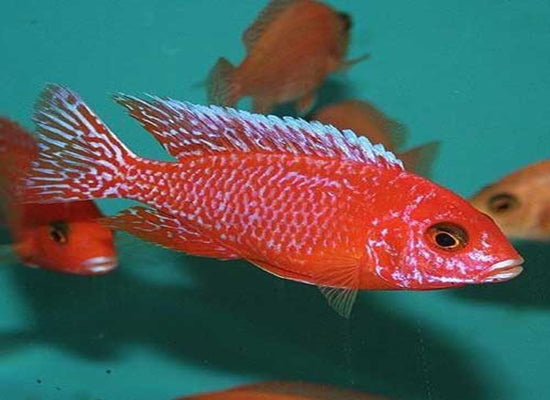
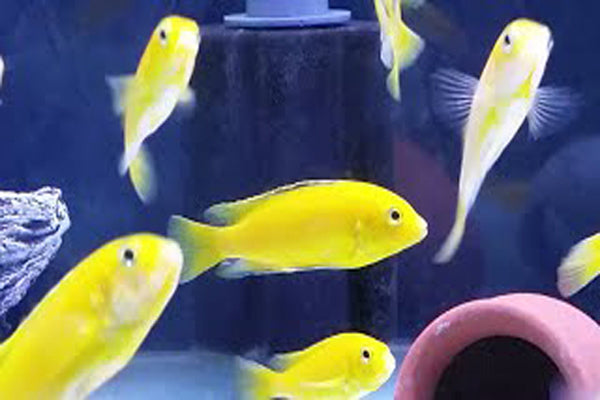
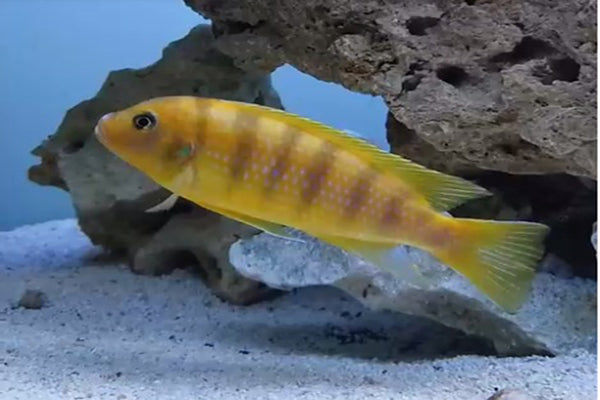
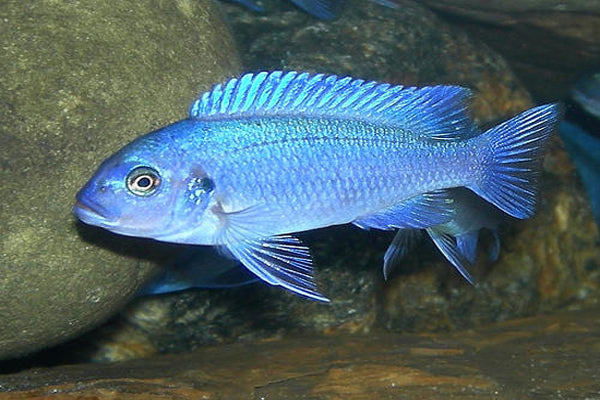
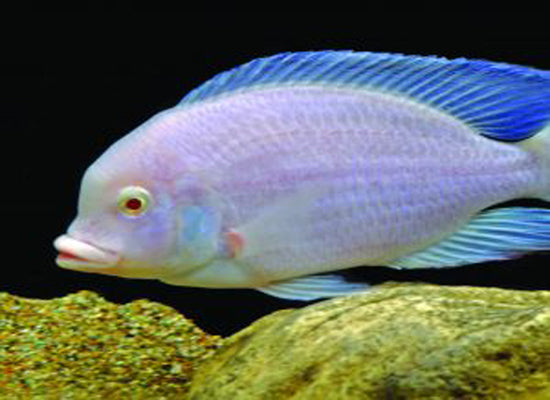
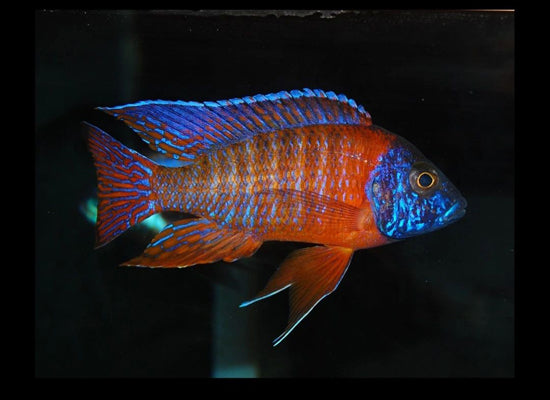
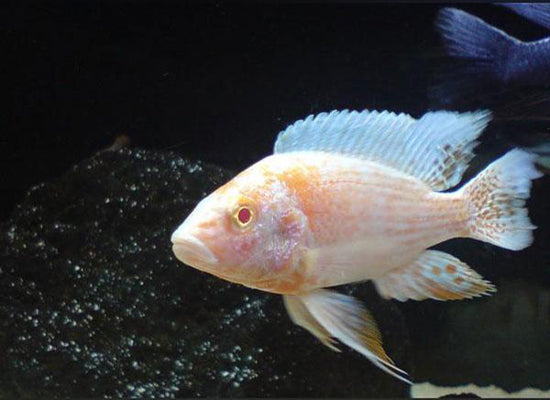
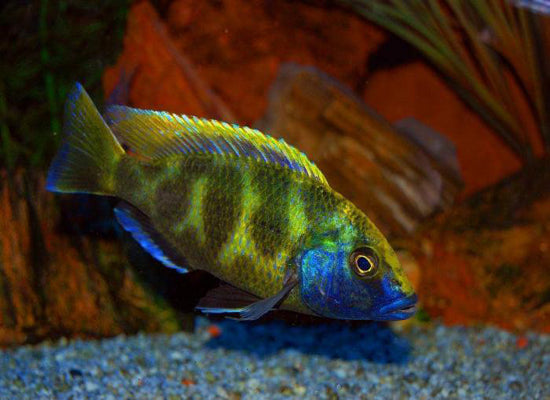
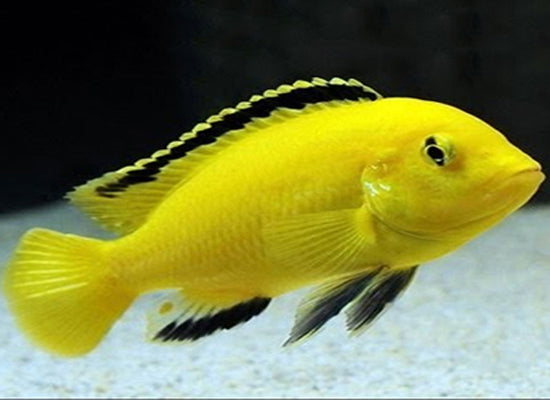
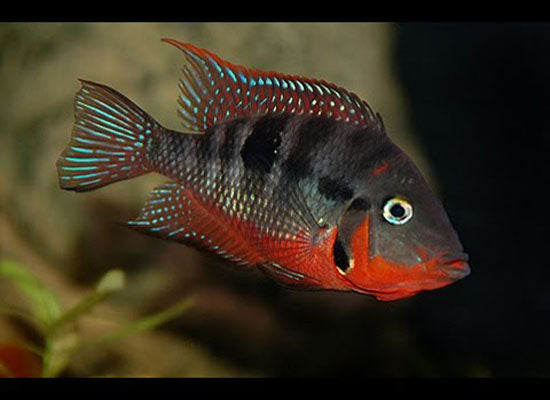
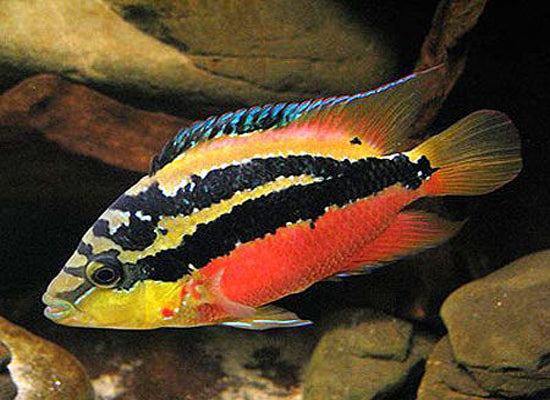
Cichlids (family Cichlidae) are a diverse order of freshwater fish comprising over 1,700 described species, native to Africa, South America, and South Asia. They are the most popular group of large freshwater fish in the aquarium hobby due to their intelligence, vivid colouration, complex social behaviour, and active parental care. The two most commonly kept groups are African cichlids — including Oscar (Astronotus ocellatus), Jewel Cichlid (Hemichromis bimaculatus), Frontosa (Cyphotilapia frontosa), and Mbuna species from Lake Malawi — and South American cichlids, including Flowerhorn (hybrid Cichlasoma), Discus (Symphysodon sp.), and Angelfish (Pterophyllum scalare). Cichlid fish price in India ranges from ₹80 for common Jewel Cichlids to ₹2,500+ for premium Discus and Frontosa. FishyKart delivers live, healthy cichlids across India.
African Cichlids
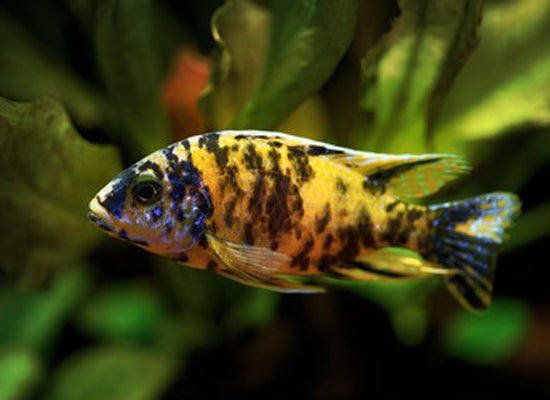
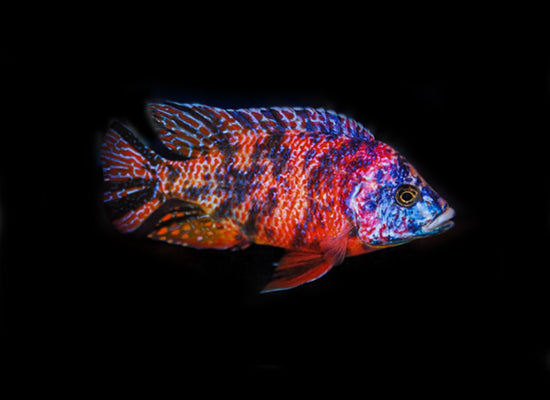
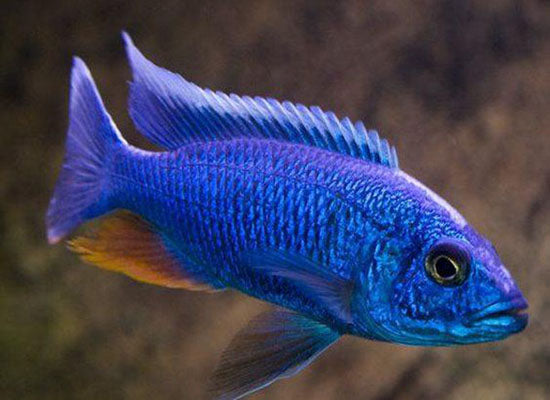
African cichlids originate from the Rift Valley lakes — Lake Malawi, Lake Tanganyika, and Lake Victoria — and the river systems of West Africa. They are characterised by hard, alkaline water requirements and high aggression levels between males of the same species.
- Oscar (Astronotus ocellatus): One of the most recognisable cichlids in the hobby. Reaches 30–35 cm; requires a 200-litre+ tank as a single specimen. Highly intelligent — recognises owners and can be hand-fed. Temperature 23–28 °C, pH 6.5–7.5. Available in wild-type, red Oscar, albino, and tiger variants.
- Jewel Cichlid (Hemichromis bimaculatus) — African Jewel Fish: A West African species reaching 12–15 cm, renowned for its intense red colouration with iridescent blue-green spots across the body and fins. Highly territorial during breeding; pairs form strong bonds and practise biparental care. Temperature 22–26 °C, pH 6.5–7.5. Excellent beginner African cichlid due to hardiness and low cost.
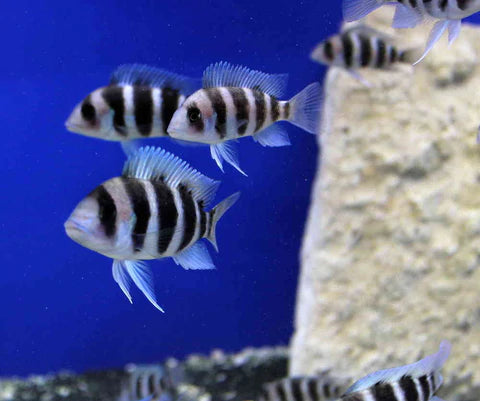
- Frontosa (Cyphotilapia frontosa): A Lake Tanganyika endemic reaching 30–35 cm. Characterised by a prominent nuchal hump in adult males, bold black-and-white banding, and slow, deliberate movement. A colony species — keep in groups of 6+ (1 male : 5 females) in 400-litre+ tanks. Temperature 24–27 °C, pH 7.8–9.0.
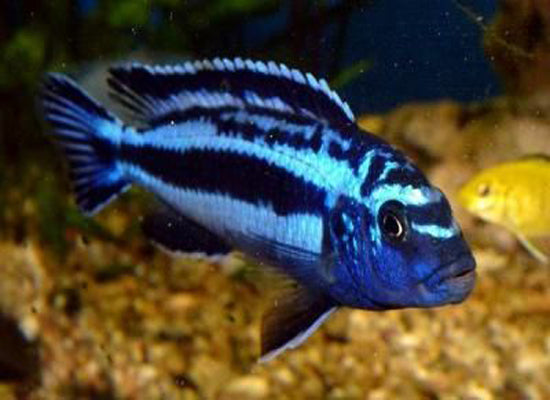
- Mbuna (Lake Malawi rock-dwellers): A collective term for 13+ genera of small (8–15 cm) Lake Malawi cichlids including Melanochromis, Pseudotropheus, and Labeotropheus. Known for aggressive polygamy and explosive colour. African cichlid care for Mbuna: hard water (GH 10–20, pH 7.8–8.5), rocky décor with multiple territories, temperature 24–28 °C. Overstock deliberately to distribute aggression.
South American Cichlids
South American cichlids originate from the Amazon Basin, Orinoco river system, and Atlantic coastal rivers. Most prefer softer, slightly acidic water and are generally less aggressive than African rift lake species — though individual temperament varies significantly by species.
- Flowerhorn (hybrid Cichlasoma trimaculatum × Cichlasoma festae): A man-made hybrid with a distinctive nuchal hump (kok), vivid red-orange colouration, and highly territorial behaviour. Requires a single-specimen 75-gallon+ tank. Temperature 26–30 °C, pH 7.0–8.0. One of the most interactive cichlids kept — responds to owners and follows movement outside the tank.
- Discus (Symphysodon aequifasciatus / S. haraldi): Regarded as the "king of the aquarium" — a laterally compressed, disc-shaped cichlid reaching 20–25 cm in diameter. Demanding: require very warm water (28–32 °C), soft and acidic conditions (pH 5.5–7.0, TDS 50–150), and large, frequent water changes. Best kept in species-only groups of 6+.
- Angelfish (Pterophyllum scalare): A tall, laterally compressed cichlid reaching 15 cm in length and 25 cm in height. Available in silver, black, gold, koi, and marble colour variants. Peaceful enough for large community tanks; avoid very small fish that may be eaten. Temperature 24–30 °C, pH 6.0–7.5. A classic South American cichlid tank anchor species.
Cichlid Tank Setup
Cichlid tank setup requirements vary significantly by species group, but the following principles apply broadly across the family:
- Tank size: Most medium cichlids require 150 litres minimum; large species (Oscar, Frontosa, Flowerhorn) need 200–400 litres
- Filtration: Heavy biological filtration — canister filter rated at 6–10× tank volume per hour; cichlids produce high bioload
- African cichlid setup: Crushed coral or aragonite substrate to buffer pH above 7.8; stacked rockwork creating multiple cave territories; no live plants (will be uprooted or eaten)
- South American setup: Soft sand substrate; driftwood (lowers pH naturally); low-light plants (Amazon Sword, Java Fern, Anubias); subdued lighting
- Water changes: 25–30% weekly minimum; African lake cichlids tolerate higher nitrates than South American species
- Heater: Fully submersible; size for 1 watt per litre minimum
Feeding Cichlids
Cichlids are broadly divided into herbivores (Mbuna, Tropheus), carnivores (Oscar, Flowerhorn, Frontosa), and omnivores (Angelfish, Jewel Cichlid). Feeding the wrong diet is the leading cause of health problems in cichlids — particularly Malawi Bloat in herbivorous species fed high-protein foods.
- African herbivores (Mbuna, Tropheus): Spirulina-based pellets or flakes; blanched spinach and zucchini; avoid bloodworms and high-protein supplements
- Carnivores (Oscar, Flowerhorn, Frontosa): High-protein cichlid pellets (Hikari, Okiko); krill; earthworms; prawns; frozen bloodworms 2–3× per week
- Omnivores (Angelfish, Jewel Cichlid): Quality cichlid pellet as staple; supplement with frozen brine shrimp, bloodworms, and vegetable wafers
- Frequency: 1–2× daily, only what fish consume in 3 minutes; remove uneaten food immediately
Why Buy Cichlids from FishyKart?
FishyKart sources cichlids directly from specialist breeders across India, Malaysia, and Thailand — no middlemen, no overcrowded wholesale tanks. Every cichlid is quarantined and health-checked before dispatch. We ship in insulated, oxygen-sealed bags with a live arrival guarantee across India. Our range includes common species (Jewel Cichlid from ₹80) through to premium display fish (Discus, Frontosa, show-grade Flowerhorn) — with expert care advice included for every purchase.