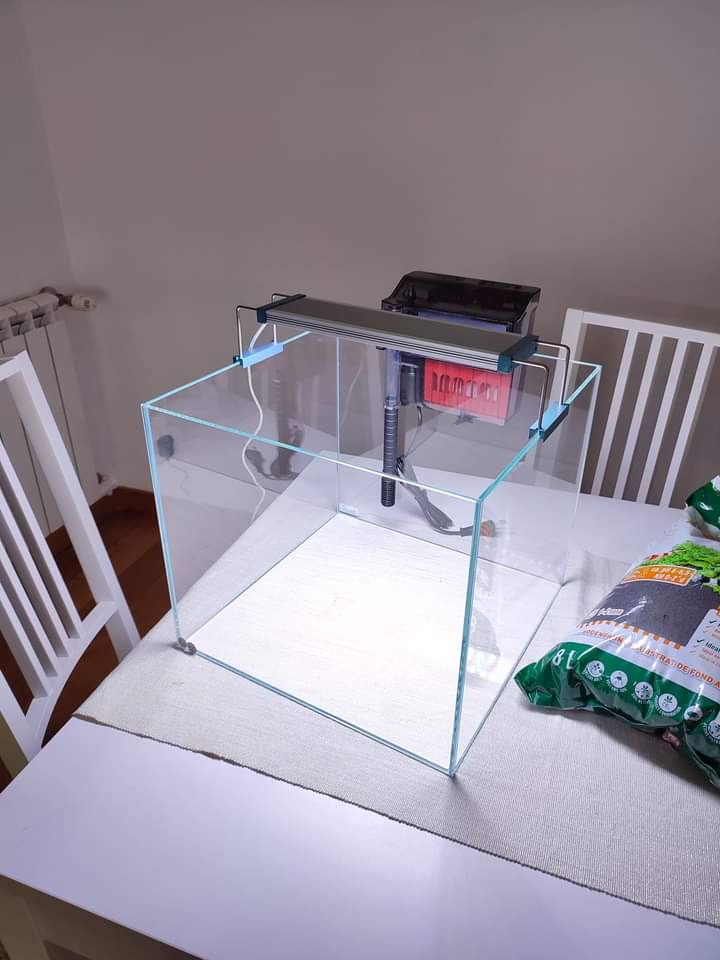
1 feet cube tank all sides 1 Feet
LED Light
About & Origin
A 1 foot cube aquarium -- 1 foot on every side (roughly 30 × 30 × 30cm) -- built in glass and sold complete with an LED light unit, rather than as bare glass. The cube shape is a popular format for small planted or nano tanks, since equal width and depth make it easy to aquascape and view from any side, and it takes up a compact, tidy footprint on a desk or shelf.
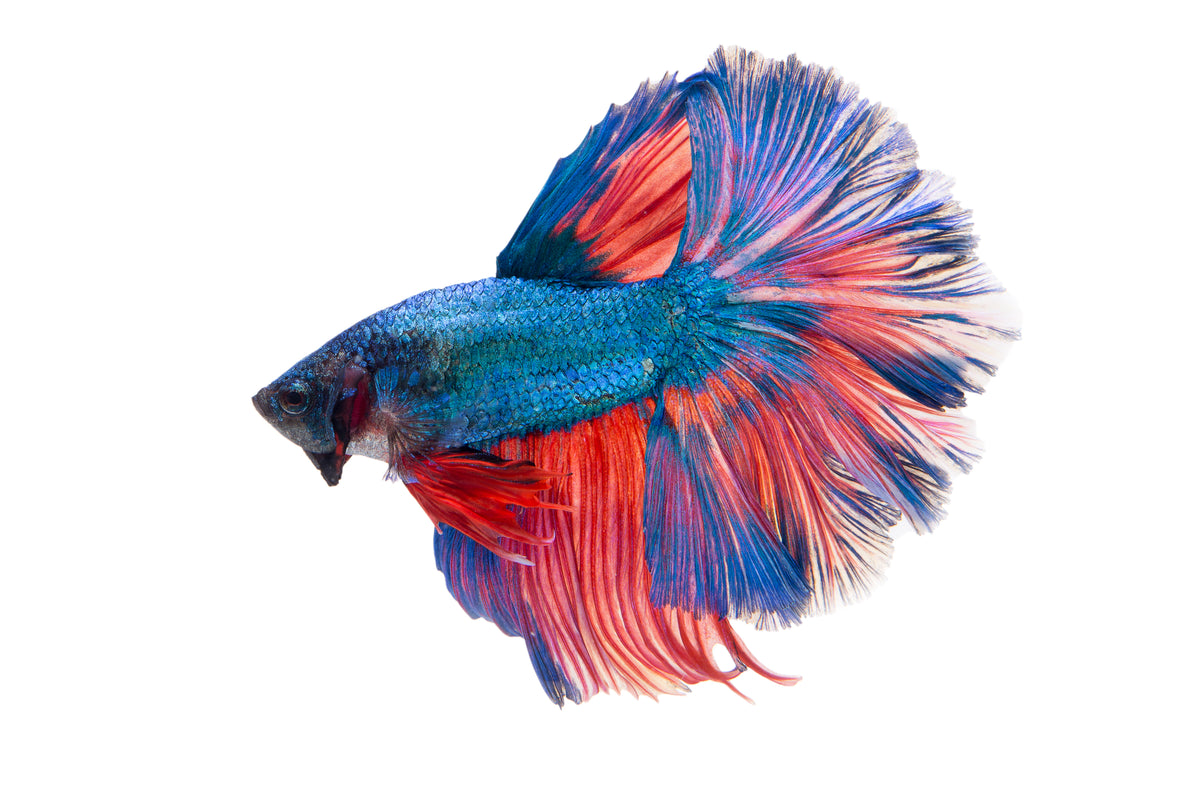
Cube tanks in this size class became especially popular alongside the rise of nano and desktop aquascaping, where a small, self-contained tank with good lighting can support a simple planted layout, a shrimp colony, or a single showcase fish like a betta, without needing the space or cost commitment of a full-size aquarium.
The bundled LED light is a meaningful inclusion here rather than a token extra -- unlike a bare glass tank, this is set up to support live plants out of the box (assuming the light output is reasonable for low-to-moderate light plants), not just fish alone.
fishykart.com sells this as a complete small-tank starter package: glass cube plus light, ready for you to add substrate, a filter, and stock.
Because all three dimensions are equal, a cube tank also has an unusually favourable ratio of water surface area to volume compared with a long, low tank of the same litreage -- useful for gas exchange and for fish like bettas that rely partly on breathing air at the surface via their labyrinth organ.
Requirements
At 1 × 1 × 1 feet (≈30 × 30 × 30cm), this tank holds roughly 27 litres of gross volume -- expect a bit less once substrate, hardscape, and water level (usually left slightly below the rim) are accounted for. That's enough for a single betta with room to spare, a small shoal of nano fish, or a modest planted shrimp setup, but it is not a community-fish tank in the way a larger aquarium is.
The included LED light needs mains power (a wall adapter, typically low-voltage DC on the light unit itself) -- check the cable reaches a socket comfortably wherever you place the tank. The light is not a substitute for a filter or heater: budget separately for a small filter (essential for water quality at this volume) and, if you're in a cooler climate or keeping tropical fish, a low-wattage heater around 25W.
Being glass, it's heavy once filled -- a full 27-litre tank with substrate can weigh 30kg-plus, so it needs a stable, level, weight-rated surface. Keep it away from direct sunlight even with the LED running, since natural light plus artificial light together can accelerate algae growth.
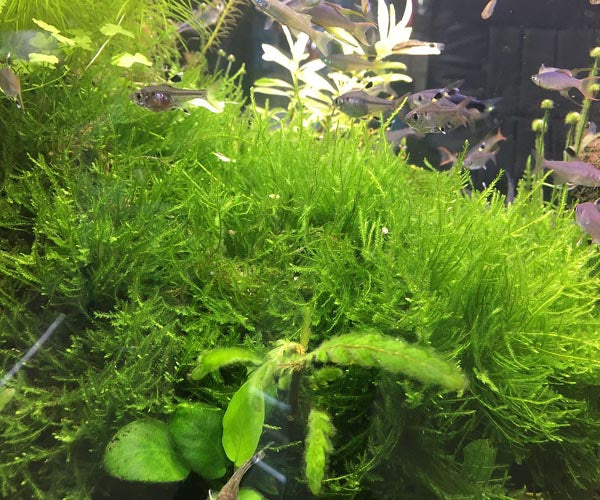
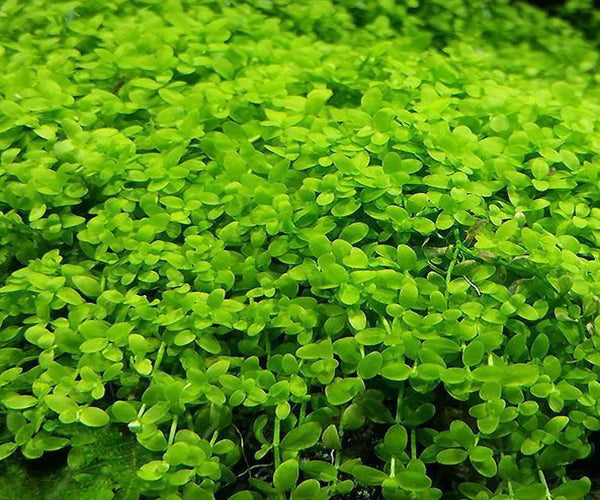
If you're planning a planted layout, use a nutrient-capable substrate rather than plain gravel, since the light alone won't compensate for poor root-feeding conditions for rooted plants.
Check the LED unit's power draw and voltage rating before use, and never submerge the light housing itself -- these units are designed to sit above the waterline or clip to the rim, not go underwater. If the light comes with a timer or dimmer function, use it rather than running full brightness continuously.
Compatibility
Setup & Maintenance
Getting the most out of a small planted-capable cube like this:
- Lighting duration: start with 6-8 hours a day rather than running the LED all day, to avoid feeding algae faster than plants can use the nutrients
- Cycling: run the filter (and light, if planted) for at least a week before adding fish, and add plants early since they help stabilise water chemistry once established
- Water changes: 20-30% weekly, more if lightly planted with fast bioload buildup, less critical once a mature planted tank is established and absorbing nutrients
- Glass cleaning: soft algae pad or scraper made for aquarium glass, never household cleaners
- Light unit care: keep the LED housing dry, wipe away any salt/mineral splash buildup, and check the cable periodically for wear where it meets the tank rim
- Algae management: a bit of green algae on the glass in a new planted cube is normal as the tank finds its balance -- resist the urge to over-clean or over-dose additives in the first few weeks
- Plant trimming: in a small cube, stem plants and carpeting plants alike grow into the available space fast -- trim regularly to keep the layout from overwhelming the tank
- CO2 (optional): a basic cube like this can run planted without supplemental CO2 using low-light, undemanding species -- reserve CO2 systems for later if you want faster growth or more demanding plants
- Feeding: feed sparingly in a small volume -- excess food breaks down fast and fouls water quickly given the limited dilution
A well-maintained cube like this is a genuinely low-maintenance way to run a small planted tank once it's past the first few weeks of establishing.