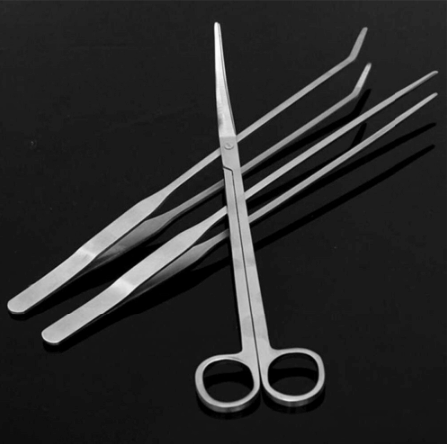
Planted Aquarium Tool kit set of 3
- To cut plants
- To pluck plants
- To twist plants
About & Function
This set of 3 tools covers the core hand tasks of maintaining a planted aquarium: typically a pair of long tweezers/forceps for precise planting and positioning, curved or straight scissors for trimming, and a rake or spatula-style tool for smoothing substrate. Standard-length hands and household tools simply aren't practical once plants and substrate are underwater and often 30–50cm below the rim of the tank.
Long tweezers let you plant delicate stems, carpeting plants, and mosses precisely without disturbing the substrate around them or crushing fragile roots — something that's nearly impossible to do by hand in anything but the shallowest tank. Aquascaping scissors, usually with long thin blades (straight or curved to reach around obstacles), let you trim stem plants and carpeting plants cleanly without yanking or tearing, which matters because ragged cuts are more prone to melting or rot than a clean trim.
The third tool — commonly a substrate spatula or rake — is used for smoothing, sloping, and shaping the substrate layer during setup or after replanting disturbs it, and can also help gently work root tabs or fertilizer into the substrate near root-feeding plants without uprooting them.
Together, this set turns planting, trimming, and substrate work from an awkward improvised task into something that can be done cleanly and precisely, which matters most in densely planted or aquascaped tanks.
Many beginner planted tanks fail not because of bad water chemistry or lighting choices, but from repeated physical damage during setup and maintenance — plants pulled loose by clumsy hand-planting, stems yanked out instead of trimmed, substrate churned into a cloud by reaching in with kitchen tools. A proper tool set removes most of that risk simply by making the correct technique the easy option rather than the awkward one.
Requirements
These are simple hand tools — no power, batteries, or setup required beyond having them on hand when you're working in the tank.
Reach: choose (or expect) tool lengths that comfortably reach the bottom of your specific tank with room to spare — a tank much deeper than the tools were designed for makes precise work awkward or impossible.
Material: quality kits are typically stainless steel, which resists corrosion from constant water exposure far better than cheaper coated or plastic alternatives; check that any coating is intact and not flaking, since flaking coatings can end up in the tank.
Technique: tweezers are best used to grip a plant low near its base/roots and insert it into the substrate at a slight angle rather than straight down, which anchors it more securely; scissors work best trimming just above a node (a point where new leaves can regrow) rather than mid-stem.
Use case: this kit is aimed squarely at planted/aquascaped tanks rather than tanks with no live plants — a bare tank with only fish and decor has little use for tweezers or trimming scissors.
Learning curve: using long-handled tools underwater at an angle takes a little practice compared to working above the waterline — most people find their precision improves noticeably within the first few sessions of planting or trimming.
Complementary tools: a full aquascaping toolkit sometimes also includes a substrate scoop for removing debris without a full gravel vacuum, though the core three tools here cover the vast majority of routine planting and trimming needs on their own.
Hand position: resting your wrist lightly against the tank rim while working underwater gives noticeably more control than holding the whole arm unsupported in the water column, which matters most when placing very small carpeting plants precisely.
Compatibility
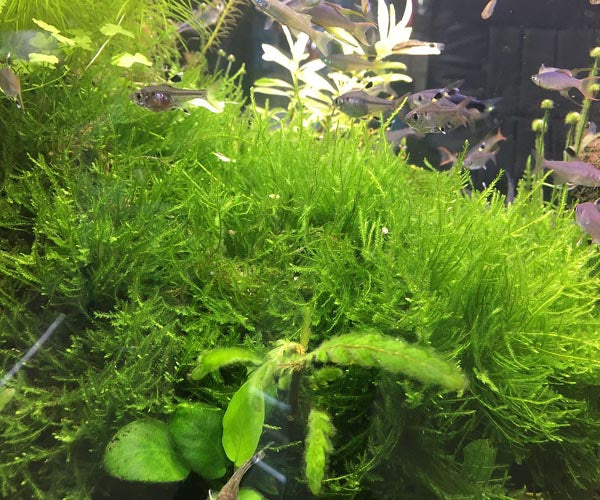
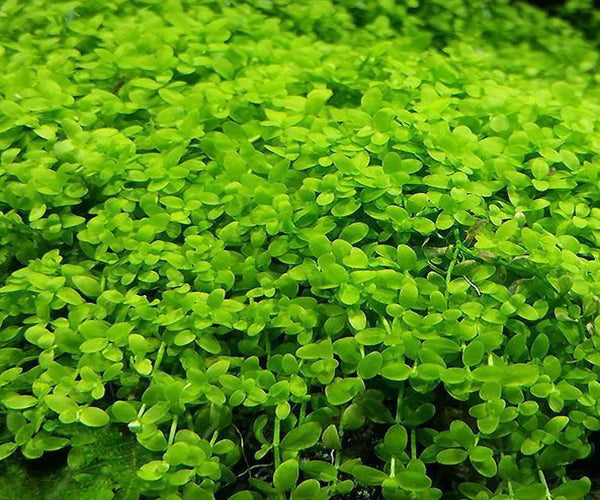
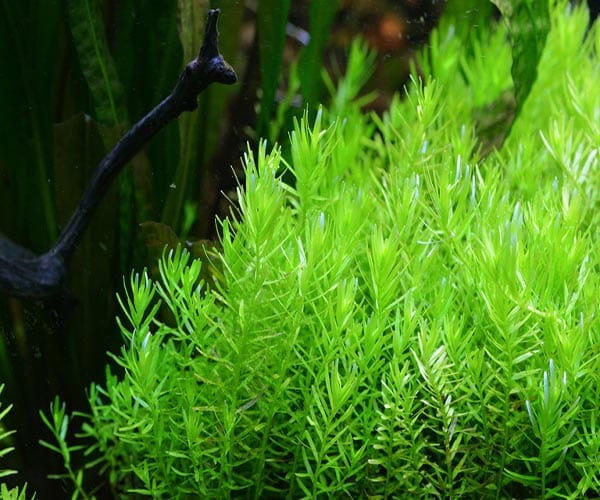
Specifications & Maintenance
These tools need very little upkeep, but a few habits keep stainless steel tools working smoothly and rust-free for years:
- Rinse and dry after each use: tap water left to air-dry on steel tools can eventually cause spotting or light corrosion at the joints; a quick towel-dry after rinsing prevents this.
- Avoid soap/chemical cleaners: plain water rinsing is sufficient and avoids introducing any residue into the tank on the next use.
- Store dry, not submerged: leaving tools sitting in the tank between uses accelerates wear at the joints and pivot points (for scissors) compared to drying and storing them separately.
- Keep the pivot/joint lightly maintained: if scissors start to feel stiff or grind, a drop of aquarium-safe lubricant at the pivot point (wiped clean of excess before use) keeps the action smooth.
- Sharpness: scissors trim best, and cause the least stem damage, while blades are still sharp — a dull blade tends to crush and bruise stems rather than cut cleanly.
- Rake/spatula edge: avoid dragging the substrate tool hard against glass, which can scratch it over time — lift and reposition rather than scraping along the pane when smoothing near the front glass.
- Storage: a dedicated tool holder or pouch keeps the set organised and prevents the finer tools (tweezer tips, scissor blades) from getting bent or dulled by knocking against other hardware in a drawer.
- Tip alignment: tweezer tips that have been bent slightly out of alignment lose their precision grip — gently squeeze them back together by hand if you notice them no longer meeting evenly at the point.
With basic rinse-and-dry care, a stainless steel tool set like this typically lasts for many years of regular aquascaping work, and is one of those purchases most planted-tank keepers end up wishing they'd bought sooner.