Red Tail Catfish Tank Size — Complete Setup Guide
Published: 2026-04-20 · FishyKart Blog
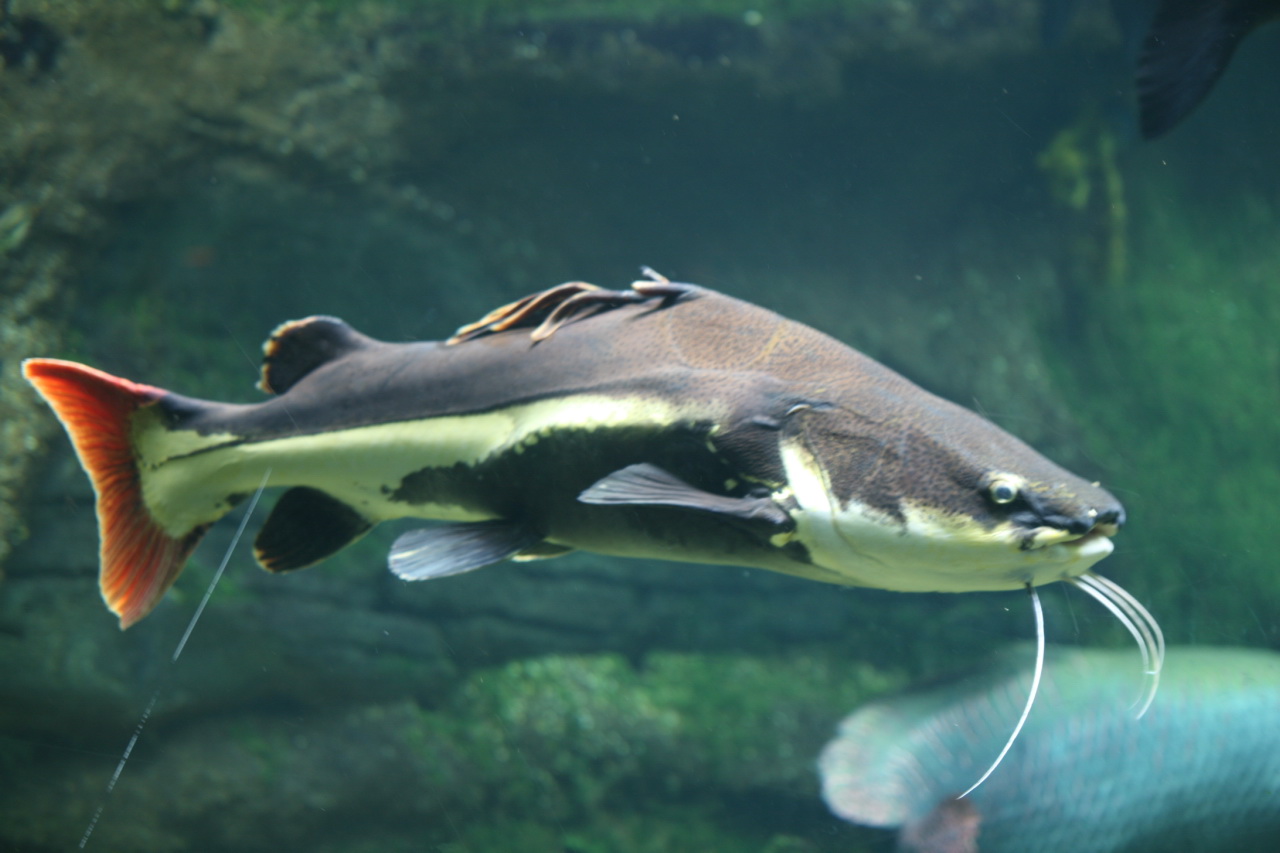
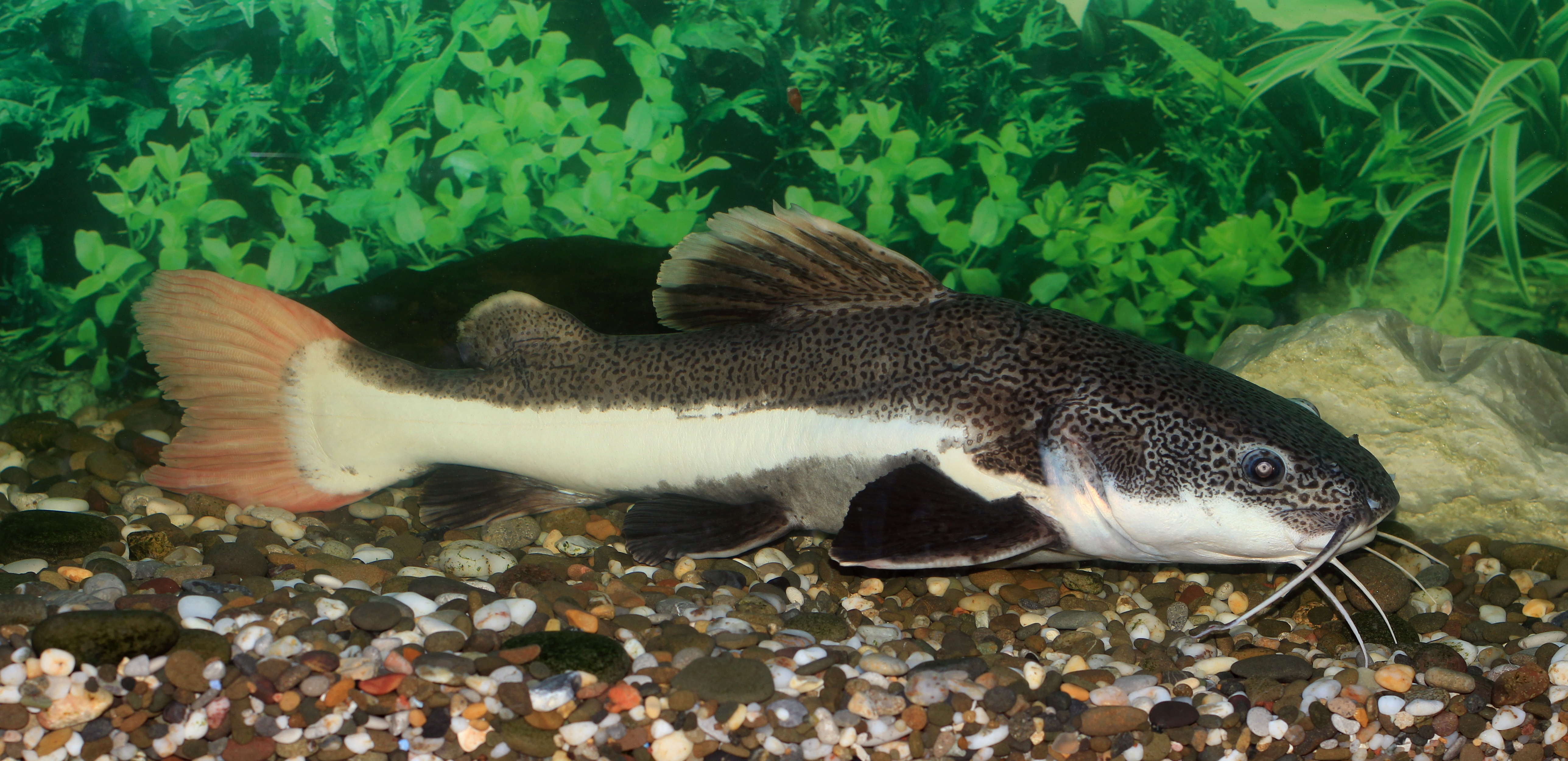
The Red Tail Catfish (Phractocephalus hemioliopterus), also called the RTC or red-tailed catfish, requires one of the largest tank setups of any freshwater aquarium fish. A juvenile under 15 cm needs a minimum 100-gallon (380-litre) tank to start; a sub-adult of 30–50 cm needs at least 400 gallons (1,500 litres); and a fully grown adult at 60–80 cm requires a custom-built 1,000-gallon+ (4,000-litre) indoor pond or tank. In the wild, this species reaches 120 cm and 44 kg in the Amazon and Orinoco river basins. Growth in captivity is rapid — 2–3 cm per month in the first year — meaning most hobbyists will need to upgrade tanks multiple times within 3 years.
How Big Do Red Tail Catfish Get?
Size is the defining issue with Red Tail Catfish ownership. Understanding exactly how large this fish grows — and how quickly — is essential before making any purchase decision.
Growth Rate — Month by Month
Red Tail Catfish grow extremely fast, especially in the juvenile stage when food is plentiful and water quality is high. The table below shows typical growth under good conditions (regular feeding, appropriately sized tank, 24°C water):
| Age | Typical Length | Minimum Tank Size |
|---|---|---|
| Purchase size (juvenile) | 8–15 cm | 100 gallons (380 L) |
| 3 months | 15–22 cm | 100 gallons (380 L) |
| 6 months | 22–30 cm | 200 gallons (750 L) |
| 12 months | 30–40 cm | 300–400 gallons (1,100–1,500 L) |
| 18–24 months | 40–60 cm | 600–800 gallons (2,200–3,000 L) |
| 3–5 years | 60–80 cm | 1,000+ gallons (4,000+ L) |
| Wild adult | up to 120 cm | River / very large pond |
Growth rate slows after the first 2 years but never fully stops. An RTC kept in an undersized tank does not stay small — it develops stunted organs, skeletal deformities, and dies prematurely. Stunting is not a solution.
Wild vs Aquarium Size — Key Differences
In the wild, Phractocephalus hemioliopterus inhabits the main channels and floodplains of the Amazon and Orinoco river systems — some of the largest river bodies on Earth. Wild specimens consistently reach 100–120 cm with recorded weights above 44 kg. In captivity, growth is constrained by tank dimensions and feeding patterns. Most aquarium-kept RTCs plateau at 60–80 cm, though specimens in large public aquarium tanks or custom indoor ponds can exceed 90 cm. The key limiting factor is not nutrition — it is the physical space available to swim and grow.

Tank Size Requirements
Juvenile RTC — 100 Gallon Minimum
A newly purchased juvenile RTC of 8–15 cm can be temporarily housed in a 100-gallon (380-litre) aquarium, but this is a starting point only, not a long-term solution. At this stage, the tank should be:
- Length: minimum 150 cm (5 feet) — RTCs are active swimmers and need horizontal space
- Filtration: oversized canister filter or sump rated for 2× tank volume; RTCs are messy eaters and produce heavy waste
- Substrate: bare bottom or large river stones only — juveniles will attempt to swallow fine gravel
- Heater: 300W+ submersible; keep water at 22–26°C
- Hiding: one large PVC pipe or ceramic tube — juveniles are shy and need shelter
- Cover: tight-fitting lid; RTCs jump when startled
Plan to upgrade this tank within 6 months. A 100-gallon tank for a juvenile RTC is equivalent to keeping a golden retriever puppy in a bathroom — acceptable briefly, unacceptable permanently.
Adult RTC — 1,000+ Gallon or Pond
An adult Red Tail Catfish at 60–80 cm requires a minimum 1,000 US gallons (approximately 4,000 litres) of water volume. This is not a guideline — it is a biological necessity. Below this volume, adult RTCs develop chronic stress, immune suppression, and shortened lifespan. The practical setup options for adult RTCs are:
- Custom-built indoor tank: poured concrete or fibreglass, typically 3–4 metres long × 1.5 metres wide × 1 metre deep. Requires professional construction and permanent room dedication
- Lined outdoor pond: viable in warm climates (India is suitable — RTCs tolerate 22–30°C). Minimum 10,000 litres capacity. Requires heavy-gauge pond liner, aeration, and security netting
- Public aquarium donation: the most responsible outcome for hobbyists who cannot provide an adult-appropriate tank. Many public aquariums in India accept RTC donations
The tank footprint matters as much as water volume. An adult RTC needs a tank at least 3× its body length in the horizontal dimension to turn without stress. A 70 cm fish requires a tank at least 210 cm (7 feet) long.
Filtration & Water Quality
Red Tail Catfish produce extreme biological waste loads. Standard aquarium filtration is insufficient at any life stage. Requirements:
- Flow rate: minimum 8–10× total water volume per hour (a 400-gallon tank needs a filter rated 3,200–4,000 GPH)
- Mechanical filtration: large sponge pre-filter to trap solid waste; clean weekly
- Biological filtration: high-surface-area media (K1 media or ceramic rings) in a purpose-built sump or large canister
- Water changes: 30–40% weekly minimum regardless of filter size; RTCs are highly sensitive to ammonia and nitrite spikes
- Test parameters: ammonia 0 ppm, nitrite 0 ppm, nitrate below 30 ppm, pH 6.0–7.5, temperature 22–26°C

Feeding & Behaviour
What Red Tail Catfish Eat
Red Tail Catfish are obligate carnivores with a huge appetite. They feed by ambush — lurking motionless, then striking with explosive speed to engulf prey whole. In captivity, feed:
- Juveniles: large earthworms, prawns (shell-on), chopped tilapia or catfish fillet, large carnivore pellets (Hikari Massivore Delight)
- Sub-adults / adults: whole prawns, whole small tilapia, large catfish pellets, squid. Feed 3–4 times per week — not daily; overfeeding accelerates growth faster than tanks can accommodate and causes fatty liver disease
- Avoid permanently: feeder goldfish (thiaminase deficiency risk), mammal meat (beef, chicken — causes organ failure long-term), live fish from unknown sources (disease vector)
RTCs will attempt to swallow anything that enters their tank — including heaters, thermometers, filter intakes, and hands. Use guarded equipment and exercise caution during maintenance.
Is RTC Right for You? — Honest Assessment
The Red Tail Catfish is one of the most rewarding fish in the hobby for the right owner — and one of the most irresponsibly kept for the wrong one. Before buying, answer these questions honestly:
- Do you have space for a 1,000-gallon tank or large outdoor pond within 3 years? If no, do not buy an RTC.
- Can you budget ₹50,000–₹2,00,000+ for a custom adult tank? If no, do not buy an RTC.
- Do you have a plan if you can no longer keep the fish? Responsible options: donate to a public aquarium or large pond facility.
- Are you prepared for 15–20 years of commitment? RTCs are long-lived; this is a decades-long responsibility.
If you answered yes to all of the above, the RTC is a spectacular fish — intelligent, bold, responsive to its owner, and visually dramatic. Many Indian hobbyists successfully keep RTCs long-term in custom concrete ponds.
Red Tail Catfish Price in India
- Juvenile (8–15 cm): ₹500–₹800
- Sub-adult (15–30 cm): ₹800–₹1,500
- Large specimen (30–50 cm): ₹1,500–₹3,000
- Display-quality adult (50+ cm): ₹3,000–₹6,000+
FishyKart supplies healthy, quarantined juvenile Red Tail Catfish with fast delivery across India. All fish are acclimatised and fed before dispatch.