


About & Origin
The ghost shrimp (commonly Palaemonetes paludosus, also sold under related Palaemonetes/glass shrimp species) is a larger, mostly transparent freshwater shrimp native to slow-moving streams, ponds, and wetlands of the southeastern United States. Unlike the small, purely algae-grazing Neocaridina dwarf shrimp, ghost shrimp are bigger, more opportunistic omnivores -- useful scavengers, but with a real predatory streak toward anything smaller or slower than themselves, including smaller dwarf shrimp and fish fry.
They're prized as an efficient "clean-up crew," eating leftover food, algae, and detritus, and their near-total transparency makes internal activity (feeding, moulting, in females carrying eggs) easy to observe.
Ghost shrimp are also sold cheaply and in bulk in many places, partly because they're farmed heavily as a live/feeder food for larger predatory fish -- worth knowing if you're specifically buying them as permanent display animals rather than feed, since sourcing and handling quality can vary between suppliers. Adults reach 3-5cm, noticeably larger than most dwarf Neocaridina colour shrimp, and typically live 1-2 years given stable, well-maintained conditions. Unlike the colour strains of Neocaridina davidi, ghost shrimp show essentially no ornamental colour variation -- their appeal is transparency and activity rather than a particular colour, and every "ghost shrimp" sold is genuinely the same near-clear appearance regardless of source.
Requirements
Ghost shrimp are hardy and low-maintenance, but their more opportunistic feeding habits are worth planning around.
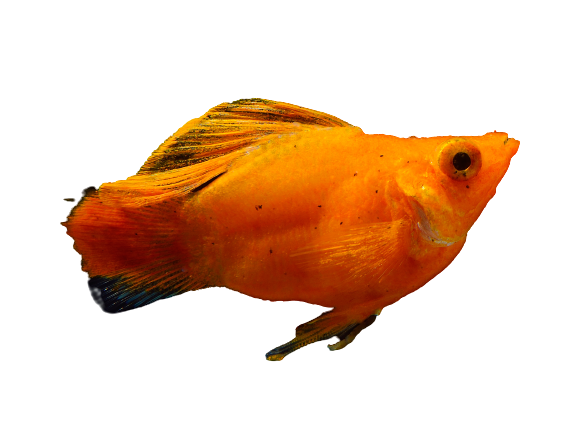
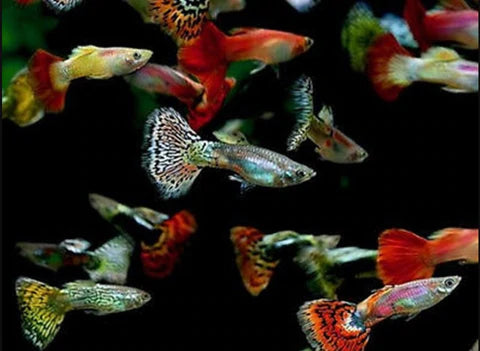
Tankmates: peaceful, similarly-sized or larger community fish are fine; avoid keeping them with small dwarf shrimp or with fry-producing livebearers if you want the babies to survive, since ghost shrimp will readily eat both given the chance.
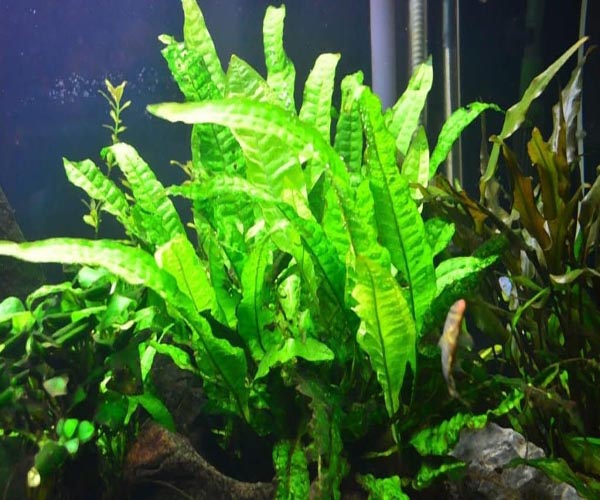
Hiding spots: like other shrimp they moult periodically and are briefly vulnerable right after -- dense planting or decor gives them somewhere to hide during this time.
They are unfussy scavengers, eating algae, biofilm, and leftover food, with occasional sinking shrimp pellets or blanched vegetables as a supplement.
Filtration: use a sponge filter or a fine mesh/sponge guard over any power filter intake -- standard intakes are strong enough to pull in and kill shrimp, particularly right after a moult when they're soft and weak.
Group size: ghost shrimp do fine alone but are more active and visible kept in a small group of 4-6 or more, and will breed on their own in a stable, well-established tank without any special intervention needed -- females carry visible clusters of eggs under the tail before releasing free-swimming larvae, a slightly different reproductive process from the miniature-adult young dwarf Neocaridina shrimp produce.
Compatibility
Water & Care Conditions
Ghost shrimp are notably hardy and tolerant of a wide parameter range compared to dwarf Neocaridina shrimp:
- pH: 6.5–8.0
- Hardness: soft to hard, roughly 5–20 dGH
- Temperature: 18–28°C (64–82°F) -- a genuinely wide comfortable range
- Oxygenation: not demanding, comfortable in typical community tank flow
As with all shrimp, avoid copper-based medications in a tank housing ghost shrimp -- copper is genuinely toxic to them at doses considered entirely safe for fish.
Weekly partial water changes support general health and activity, though this species is genuinely more forgiving of an established, slightly imperfect tank than dwarf Neocaridina shrimp tend to be -- part of why they're a common beginner recommendation for a first shrimp-keeping experience, and a good species to learn general invertebrate care fundamentals on.
Watch for successful moulting as an ongoing health sign -- a shed exoskeleton on the tank floor is completely normal and best left for a day or two, since shrimp often go back and eat their own molt for the valuable calcium it still contains. A shrimp that stops moving entirely, feels unusually light, or shows an unpleasant smell when the shell is gently disturbed has most likely died rather than simply moulted or is resting quietly.