About & Origin
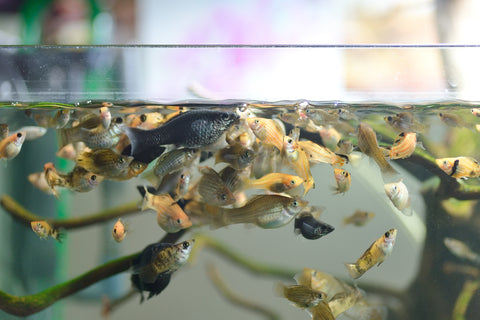
Mollies (mainly Poecilia sphenops and Poecilia latipinna) are livebearers native to fresh and brackish coastal waters of Central America, the Gulf Coast of the US, and Mexico -- one of the few common aquarium fish equally at home in fresh or slightly salty water in the wild.
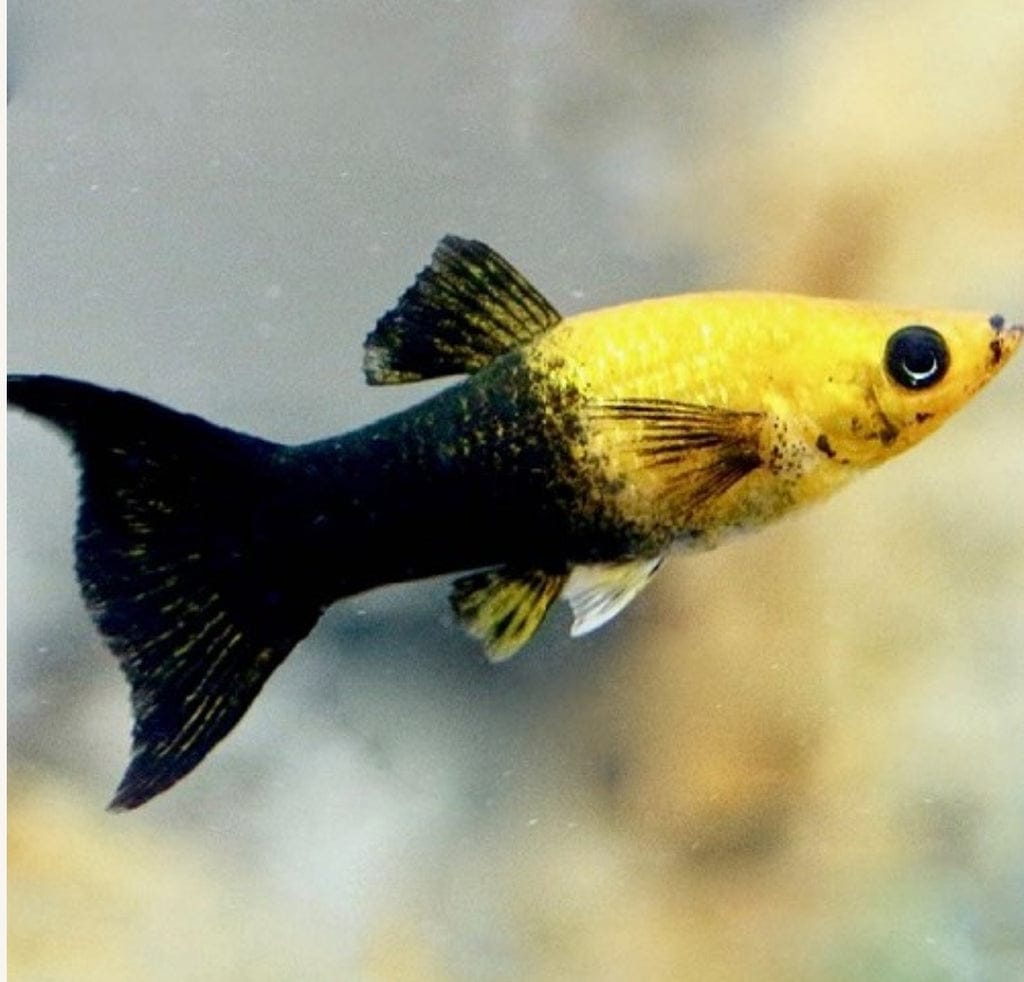
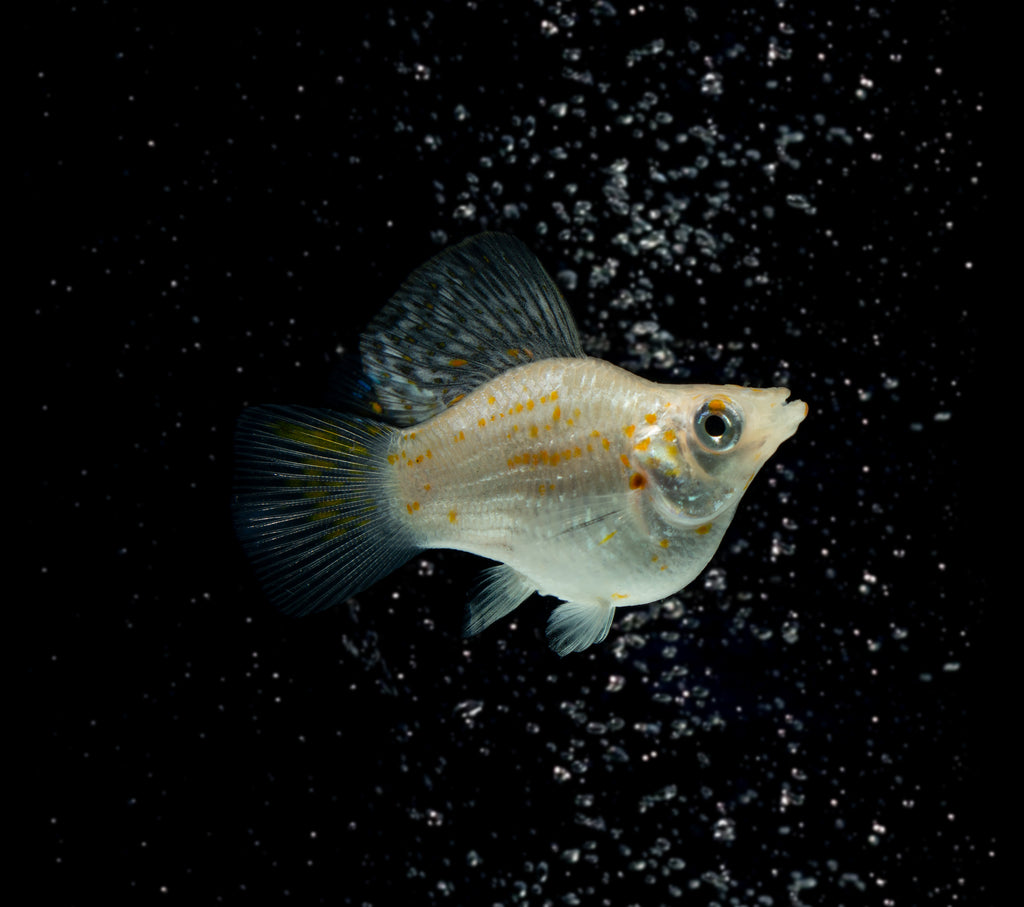
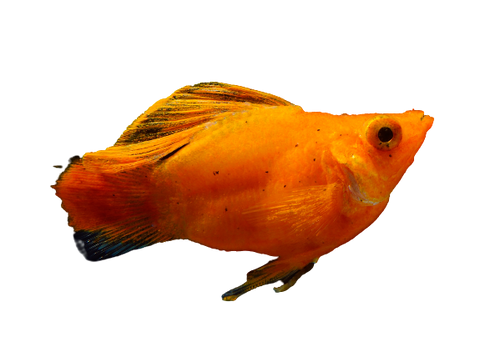
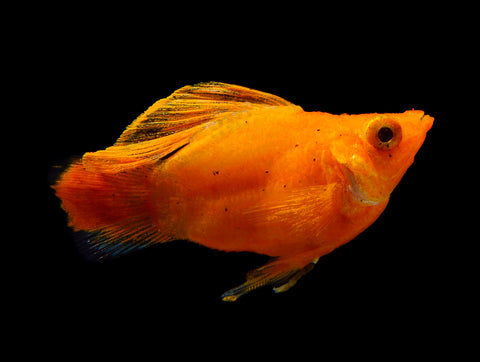
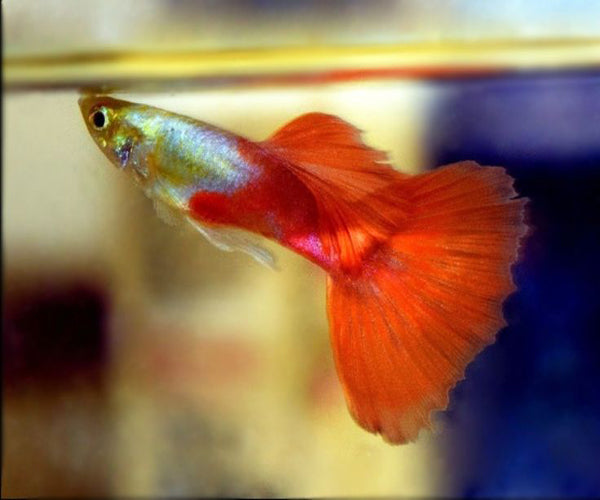
The huge range of colour and finnage varieties sold today -- black, gold, dalmatian, balloon, sailfin, and more -- all descend from selective breeding of these same wild species, much like guppies.
Mollies are active, constantly grazing swimmers that spend most of their time in open water and around plant growth, nibbling algae as they go, and like other livebearers they give birth to free-swimming fry rather than laying eggs.
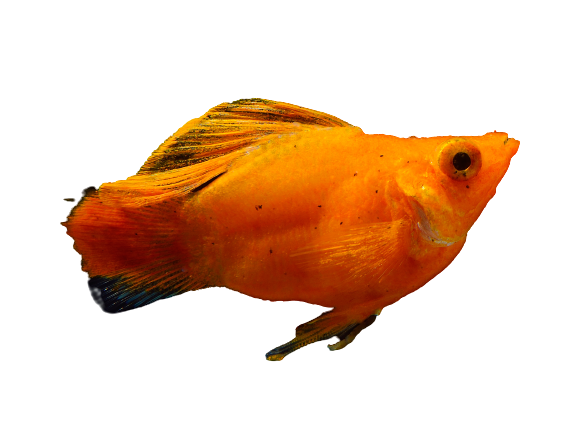
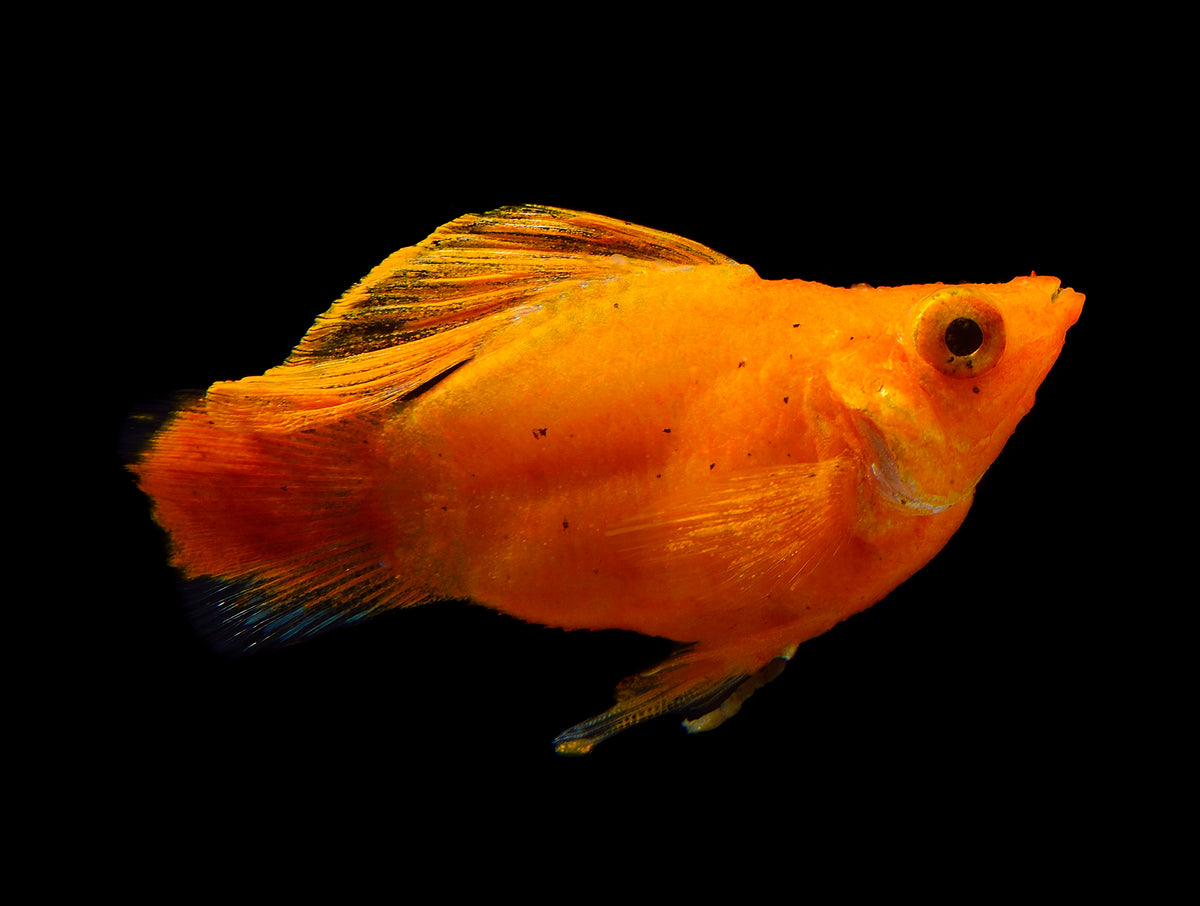
The sailfin varieties (bred largely from Poecilia latipinna) carry a dramatically enlarged dorsal fin that males raise and display during courtship, fanning it out to look as large and impressive as possible -- a striking piece of behaviour that's part of why sailfin strains command a premium over plainer short-finned mollies. Balloon mollies, by contrast, are a selectively bred body-shape variant with a shortened, rounded spine -- a cosmetic trait some keepers and breeders consider a genuine welfare compromise given the underlying spinal deformity involved, worth knowing before choosing that particular variety.
Because mollies tolerate both fresh and brackish water so readily, they've also become one of the go-to species for demonstrating osmoregulation (how fish manage salt and water balance) in biology education, alongside their long-standing popularity as an easy beginner community fish.
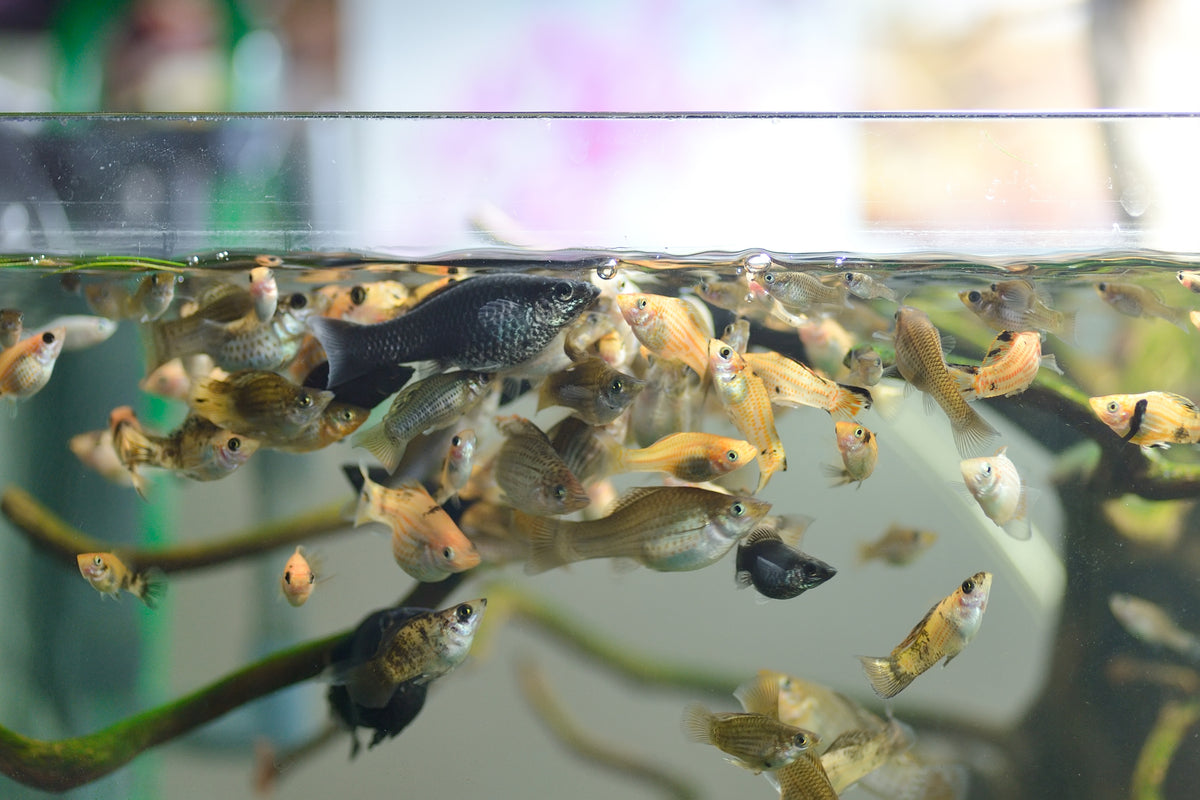
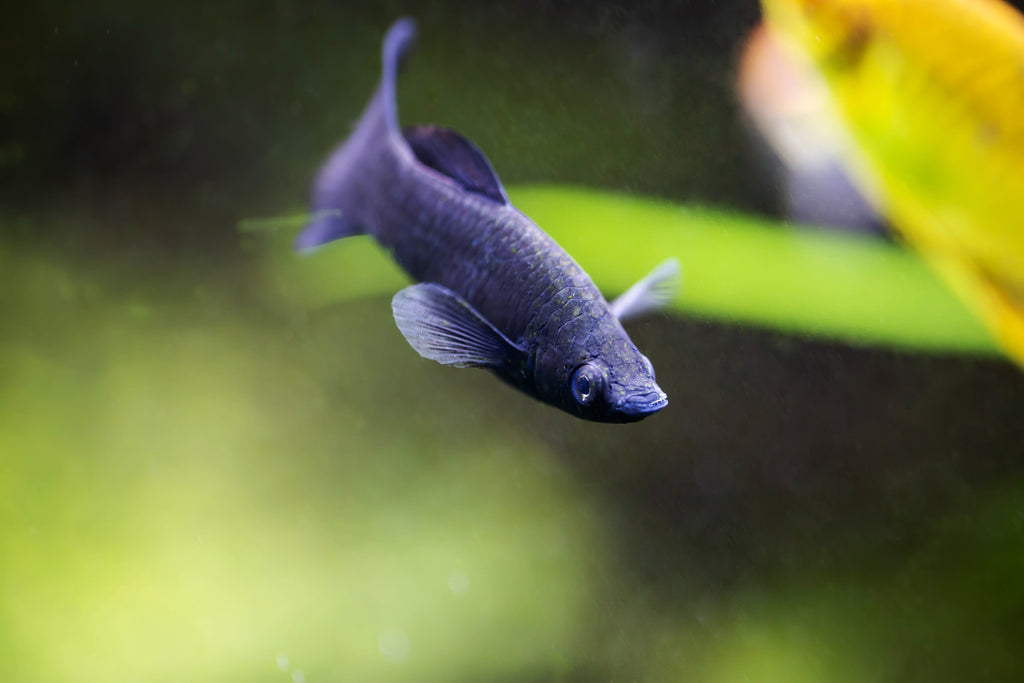
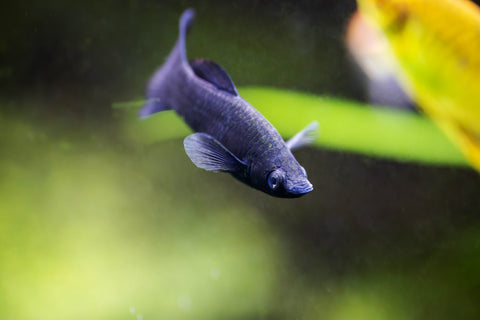
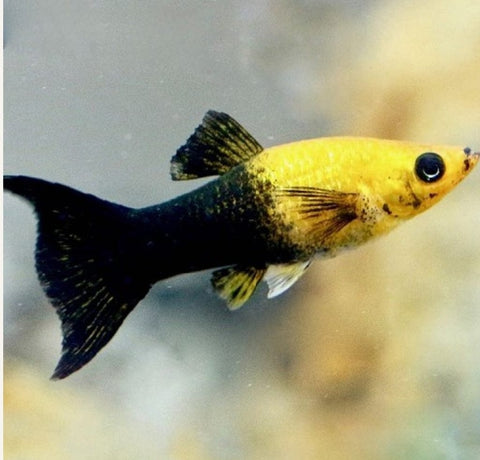
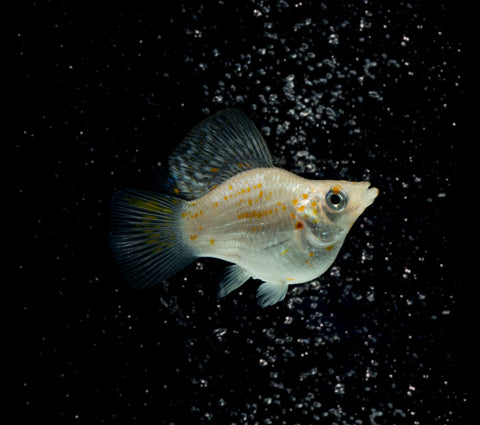
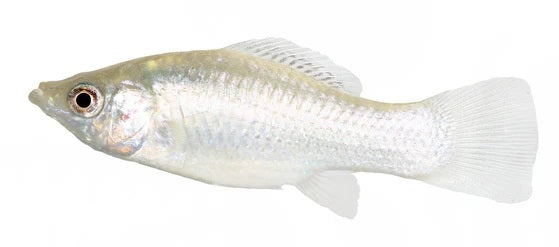
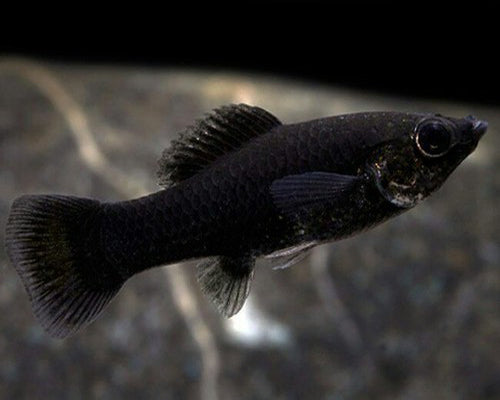
Colour varieties are extensive and still expanding through ongoing selective breeding: solid black, silvery-white, gold-dust, dalmatian-spotted, and lyretail finnage forms are all common, and most can be freely combined -- a black lyretail sailfin, for instance, layers three separately bred traits into one fish. Because the underlying species is the same across all these forms, care and temperament stay essentially identical regardless of which colour or fin variety is chosen.
Requirements
A small group does well from around 75-100 litres (20-25 gallons) up, kept with more females than males to spread out mating attention. Mollies are prolific breeders and will produce broods regularly without any special effort.
Unlike most freshwater community fish, mollies genuinely appreciate a little aquarium salt or brackish conditions and tend to be hardier and more disease-resistant with some salinity, though they also do fine in well-maintained plain freshwater.
Diet is easy -- they're enthusiastic grazers that benefit from some algae or vegetable matter (blanched courgette, spirulina flake) alongside a standard flake or pellet diet.
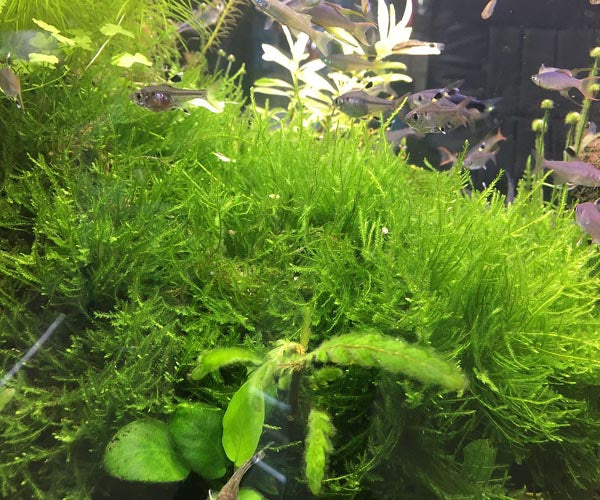
Fry care is worth planning for even if breeding isn't the goal, since mollies breed so readily: a heavily planted tank or dedicated breeding trap gives newborn fry somewhere to hide from adults, which will otherwise eat their own young given the chance. A single pregnant female can produce dozens of fry per brood, and broods can arrive every four to six weeks in a well-fed, mixed-sex group, so population growth can get away from an unprepared keeper surprisingly fast.
Sailfin varieties in particular need real swimming length and height to display their fin properly and stay healthy -- a cramped tank both limits the visual payoff of the trait they were bred for and can lead to fin damage from constant contact with tank walls or decor.
Water stability matters more for mollies than raw water quality numbers alone: sudden swings in temperature, pH, or hardness are a common real-world trigger for stress and disease in this species, even when the actual parameters stay within an otherwise acceptable range -- gradual, consistent maintenance is more important than chasing an exact target number.
Compatibility
Water & Care Conditions
Mollies stand out from most freshwater community fish in preferring harder, more alkaline water, and are one of the few species that do well with added aquarium salt:
- pH: 7.5–8.5
- Water hardness: hard, 15–30 dGH; tolerates and often benefits from mild salinity
- Temperature: 24–28°C (75–82°F)
- Oxygenation: not demanding, but good circulation is appreciated as with most livebearers
- Salinity: mild aquarium salt (1-3 tsp per 5 gallons) is well tolerated and often improves colour and disease resistance, though not strictly required in otherwise good freshwater conditions
- Water changes: regular weekly partial water changes support the fast growth and breeding activity typical of a healthy molly group
- Common issues: mollies are prone to "shimmying" (a stress-related side-to-side wobble) and ich when kept in water that's too soft, too cold, or unstable -- both are usually resolved by correcting hardness and temperature toward this species' preferred harder, warmer range
- Group composition: keep more females than males (roughly 2-3 females per male) to spread out mating attention and reduce stress on individual females
- Stability: avoid sudden swings in temperature, pH, or hardness -- gradual, consistent conditions matter more to this species' health than hitting an exact target number
- Lighting: moderate to bright lighting suits this active, open-water grazer well and helps promote the algae growth it enjoys picking at
- Longevity: a well-kept molly typically lives 3-5 years, with good, stable water conditions being the single biggest factor in reaching the longer end of that range
- Acclimation: a hardy species overall, but still benefits from a slow, drip-style acclimation over 30-60 minutes, especially when moving between differing salinity or hardness levels
- Substrate & decor: not fussy about substrate type; a mix of open swimming space and some planted or decor cover suits their active, grazing lifestyle well