About & Function
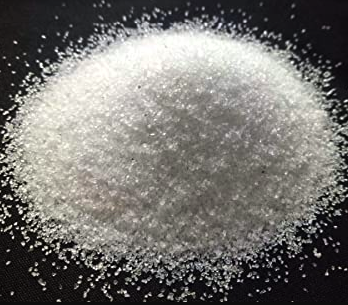
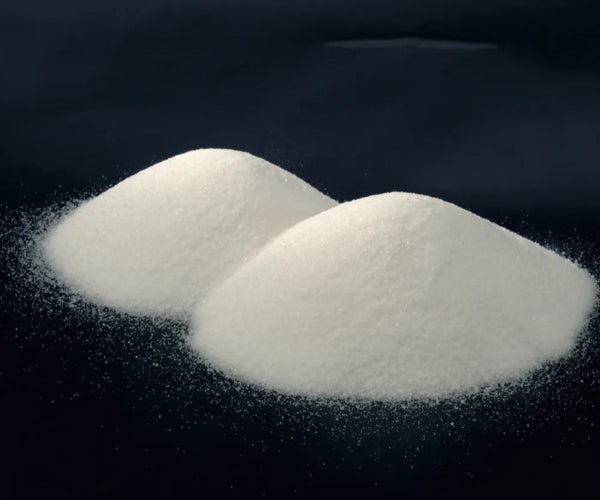
A fine white aquarium sand used as the substrate lining the bottom of the tank. Beyond its clean, modern look — a popular alternative to coloured gravel for keepers who want a brighter, more natural-looking base — sand substrate also gives beneficial bacteria surface area to colonise, contributing to the tank's biological filtration alongside whatever filter is running.
Fine sand behaves differently from gravel in a few practical ways: it packs more densely, so waste and uneaten food tend to sit on top rather than falling deep between particles, making it easier to spot and vacuum out during maintenance. It's also generally more comfortable for sand-sifting or burrowing fish and invertebrates, whose barbels or bodies can be irritated by sharp-edged gravel.
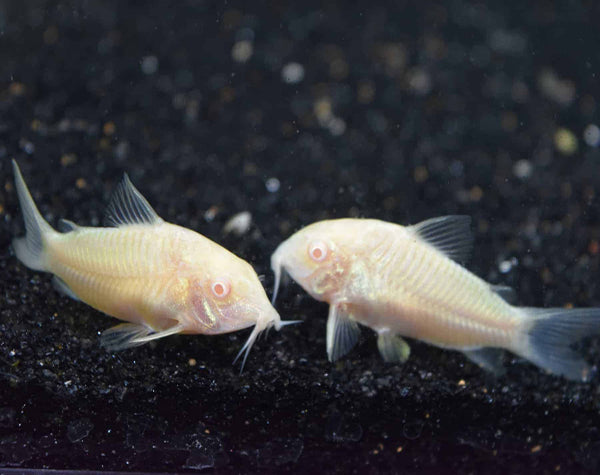
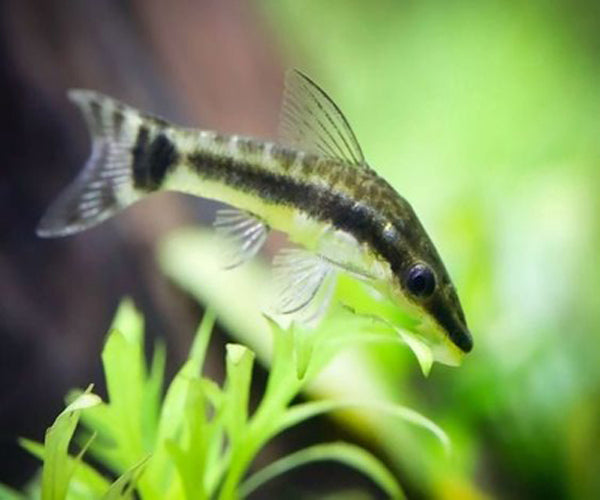
Corydoras catfish in particular are often specifically recommended a sand substrate over gravel, since their sensitive facial barbels can become worn or irritated from repeated contact with sharp gravel edges while foraging along the bottom — a genuinely species-relevant reason to choose sand rather than a purely cosmetic one.
A pale, uniform sand base also reads as a clean, modern aquascape choice on its own, or works well as the base layer under rockwork, driftwood, or plants where the goal is for the hardscape and livestock to be the visual focus rather than a busy or coloured substrate.
Requirements
No equipment needed — this is a purely passive substrate. It must be rinsed thoroughly before use: fine sand carries a lot of dust straight out of the bag, and adding it unrinsed will cloud the tank badly. Rinse in batches in a bucket, swirling and pouring off cloudy water, until it runs mostly clear.
A typical depth is around 3–5cm for general use, deeper if keeping fish that like to burrow or sift through it. Because it compacts more than coarse gravel, undisturbed sand can develop trapped gas pockets over time — gently stirring the top layer occasionally during water changes helps prevent this.
If setting up a planted tank, plain sand doesn't supply nutrients to plant roots on its own — pair it with root tabs or a nutrient-rich layer underneath for root-feeding plants to actually thrive.
When adding to an already-filled tank, pour slowly and let it settle rather than dumping it all at once, which raises a large, slow-to-clear cloud and briefly stresses an already-cycled filter.
Buy enough in one purchase for the intended depth and footprint where possible, since grain size and shade can vary slightly batch to batch, and a later top-up may not blend in perfectly with sand already in the tank.
Compatibility
Specifications & Maintenance
Real-world specifications and upkeep:
- Power: none — passive substrate
- Preparation: rinse thoroughly in batches before adding, until runoff water is mostly clear
- Depth: roughly 3–5cm as a general base layer, deeper for burrowing fish
- Maintenance: vacuum the surface gently during water changes to lift out waste sitting on top; stir occasionally near the surface to prevent gas pockets in undisturbed spots
- Appearance: being light-coloured, it shows algae growth and organic staining more visibly over time than dark substrate — normal, and removed during routine cleaning
- Barbel-safe: a good choice for corydoras and other whisker-sensitive bottom feeders compared to sharp gravel
- Planted tanks: add root tabs or a nutrient layer underneath for root-feeding plants, since plain sand alone doesn't supply nutrients
- Adding to a set-up tank: pour slowly and let it settle rather than dumping it in all at once
- Aesthetic role: works well as a clean, neutral base under rockwork, driftwood, or plants
- Water chemistry: quartz-based sand is chemically inert and won't meaningfully shift pH or hardness
- Compaction: being fine-grained, deeper layers can pack down and trap gas pockets if never disturbed, so a light stir near the surface every so often during maintenance helps keep it aerated
- Longevity: quartz sand doesn't dissolve or break down over time, so a single purchase covers the tank's substrate for the long term without needing topping up unless the layout changes