
About & Origin
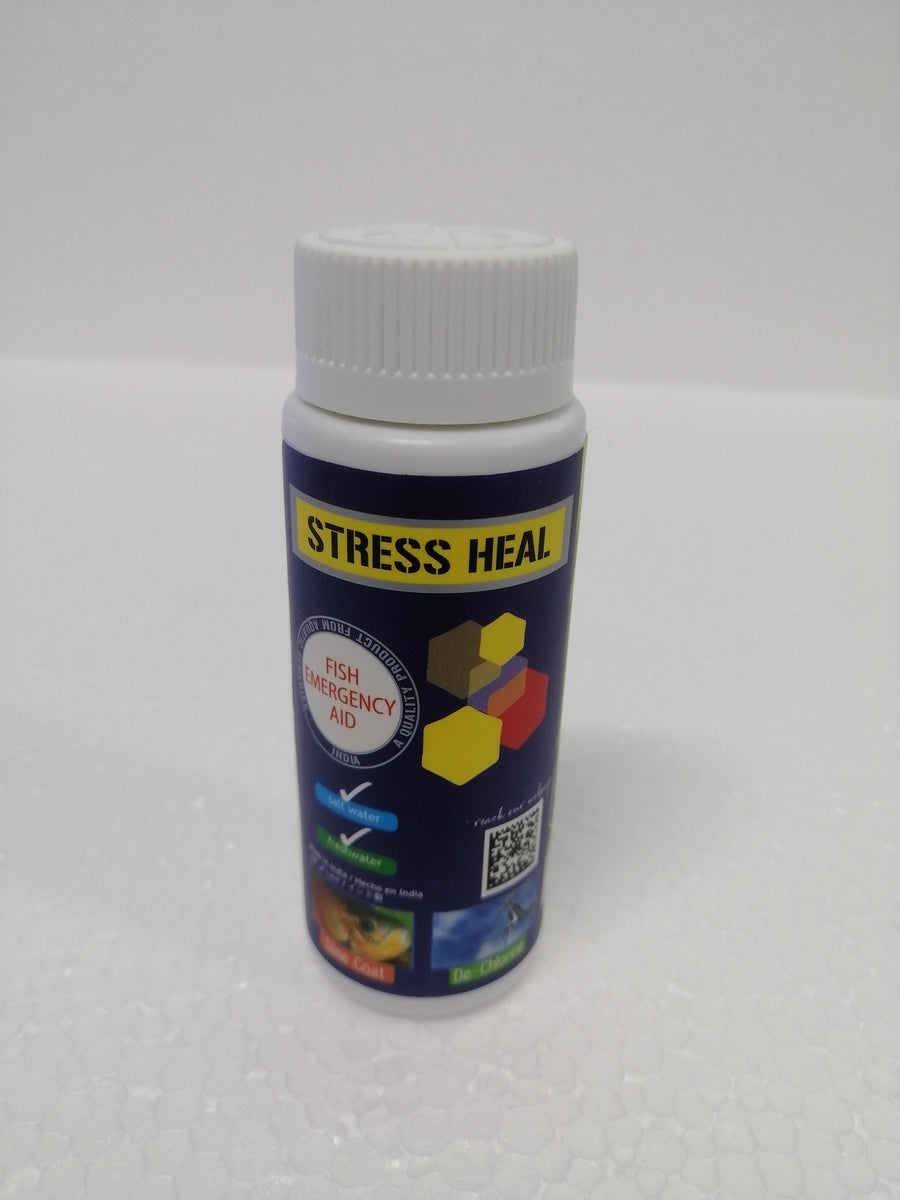
Anti-Chlorine is a water conditioner for treating tap water before it goes into a freshwater aquarium. Most municipal tap water is treated with chlorine, or increasingly chloramine (a more stable chlorine-ammonia compound), to keep it safe for humans to drink — but both are toxic to fish, and chloramine in particular doesn't dissipate on its own the way plain chlorine does if you just leave water standing out overnight.
A dechlorinator like this neutralises chlorine and chloramine essentially instantly, making tap water safe to add during a water change without having to pre-age it in a bucket for a day or two first.
Many dechlorinators also bind some heavy metals (like copper or zinc, which can leach from old plumbing) that are otherwise harmful to fish and invertebrates in small but real concentrations.
Chlorine and chloramine aren't the only reason to condition tap water, either -- many municipal supplies also carry trace amounts of heavy metals from ageing pipework, and a good dechlorinator typically neutralises several of these at the same time as the chlorine/chloramine, giving broader protection than just chlorine removal alone.
Unlike a specific medication aimed at one illness, a dechlorinator is used every single time fresh tap water enters the tank -- which in practice makes it one of the most frequently used bottles in a fishkeeper's whole collection, even though it's rarely the product people think of first when picturing "fish medicine."
Requirements
Every water change: this is a routine-use product, not an occasional treatment — dose it into any new tap water going into the tank, every time.
Dosing: follow the ratio on the bottle for your local water volume; it's generally safe to dose a little on the generous side if your tap water treatment is on the stronger end (chloramine especially can vary quite a bit between water utilities).
Add before or during filling: dosing directly into the new water (a bucket, or the tank itself as it fills) works fine — it acts quickly enough that fish don't need to wait outside the tank for it to take effect.
If your local water authority uses chloramine rather than plain chlorine, double-check your product actually neutralises chloramine specifically (most modern dechlorinators do) rather than only chlorine, since the two need slightly different chemistry to fully neutralise.
Chloramine specifically: plain chlorine will slowly gas off if you leave water standing out uncovered for a day or two, but chloramine is far more stable and essentially will not dissipate on its own -- if your water authority uses chloramine (increasingly common), a chemical dechlorinator isn't optional, it's the only practical way to make that water safe quickly.
Compatibility
Dosage & Usage Guidelines
Dose per the ratio printed on the bottle for your water volume, every time you add fresh tap water to the tank.
- Use: every water change, without exception
- Neutralises: chlorine and chloramine; typically also binds some heavy metals
- Acts: effectively immediately, no need to pre-age treated water
- Storage: cool, dark place, tightly sealed
- Check your water authority's treatment method (chlorine vs. chloramine) if you're unsure which your tap water uses
- Works within seconds to minutes of dosing, well before fish need to go back in the water
- Shelf life: a sealed bottle keeps for a long time, but potency can drop once opened and exposed to air repeatedly over a year or more — if in doubt, dose a little extra rather than risk under-treating a large water change
- Overdosing: most dechlorinators have a wide margin of safety, so a slightly heavy hand is far less risky than under-dosing and leaving residual chlorine or chloramine in the tank
A small bottle goes a long way since only a few millilitres are needed per typical water change -- it's one of the cheapest, most routine products in the hobby relative to how essential it is every single time you add tap water. Keeping a bottle within easy reach of wherever you do water changes (rather than in a cupboard elsewhere) makes it far less likely to be skipped on a rushed top-up.