About & Origin
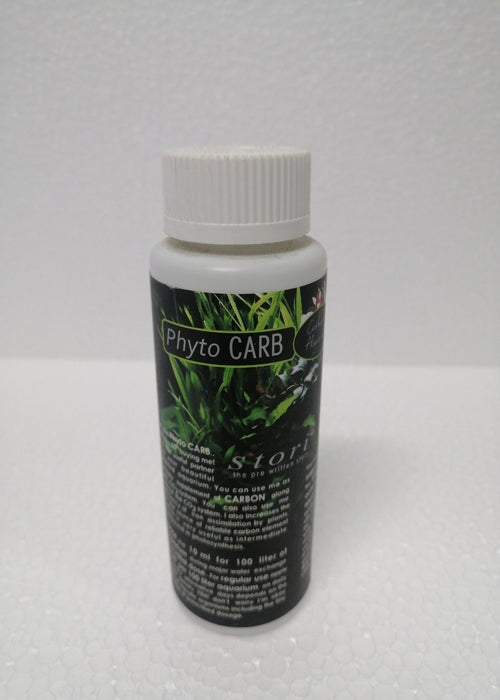
Algae Removal Medicine is a liquid treatment aimed at controlling nuisance algae in the aquarium — the green water blooms, string/hair algae, and general green film that build up on glass, decor, and plant leaves in tanks that get more nutrients or light than their plants and livestock can use up.
Algae itself isn't harmful to fish, but heavy algae growth is usually a symptom of an underlying imbalance (excess light, excess nutrients from overfeeding or overstocking, or insufficient competing plant growth) as much as it is a problem in its own right — so a treatment like this works best as one part of fixing that imbalance, not as a permanent substitute for it.
These products typically work by directly inhibiting algae growth or breaking down existing algae cells in the water column and on surfaces, giving a visibly cleaner tank faster than waiting for a change in light/feeding habits to take effect on its own.
Green water (a bloom of free-floating single-celled algae that turns the whole tank cloudy green) responds differently than surface film or string/hair algae growing on decor and glass -- a liquid treatment like this tends to be most effective against the free-floating bloom types, since it's working through the water column directly rather than needing to contact algae stuck to a hard surface.
Requirements
Address the cause too: pair treatment with reducing light duration/intensity, cutting back overfeeding, and doing a partial water change to remove excess nutrients — otherwise algae tends to return once the treatment wears off.
Live plants: some algae treatments can stress delicate live plants at full display-tank dosing; if you have a heavily planted tank, check your specific product's plant-safety notes and consider dosing on the lighter end of the range first.
Invertebrates: many algae-control products are explicitly not recommended for tanks with shrimp or other freshwater crustaceans — check your bottle carefully before dosing a shrimp tank.
Filtration: remove carbon media before dosing, as with most liquid treatments, then restore it a few days after treatment to help polish the water.
Realistic expectations: a chemical treatment can knock back an existing bloom quickly, but if the tank still gets more light and nutrients than its plants can use, algae will simply return within a few weeks. Treat it as buying time to fix lighting/feeding/stocking, not as a permanent solution on its own.
Manual removal helps too: scraping glass and removing heavily-affected decor or leaves before dosing reduces the algae load the treatment has to deal with, and speeds up how quickly the tank clears.
Compatibility

Dosage & Usage Guidelines
Dose per the ratio on the bottle for your tank volume; treatment is often more effective combined with a partial water change before and after dosing.
- Filtration: remove carbon before dosing
- Caution: check plant-safety and invertebrate-safety notes on your specific bottle before dosing a planted or shrimp tank
- Pair with: reduced lighting/feeding to prevent algae returning
- Storage: cool, dark place, tightly sealed
- Best combined with: a partial water change before dosing to lower existing nutrient levels
- Realistic outcome: a visible reduction within days, but ongoing prevention (light/feeding) is what stops algae returning
- Shelf life: like most liquid aquarium treatments, potency fades over time even sealed — check the bottle for a use-by date and don't rely on medicine that's been sitting open for a year or more
- Repeat dosing: if a single treatment doesn't fully clear a heavy bloom, most product labels allow a second dose after a set interval (often several days to a week) rather than immediately re-dosing at full strength
Treated correctly, most keepers see a visibly clearer tank within a few days -- if algae is back within a week or two, that's a sign the underlying light/nutrient balance still needs adjusting rather than a reason to simply re-dose repeatedly. Keeping a rough log of dosing dates and tank appearance is a simple way to tell whether the real problem (lighting duration, feeding amount, stocking density) is actually improving over time or just being chemically masked each cycle.