

About & Origin
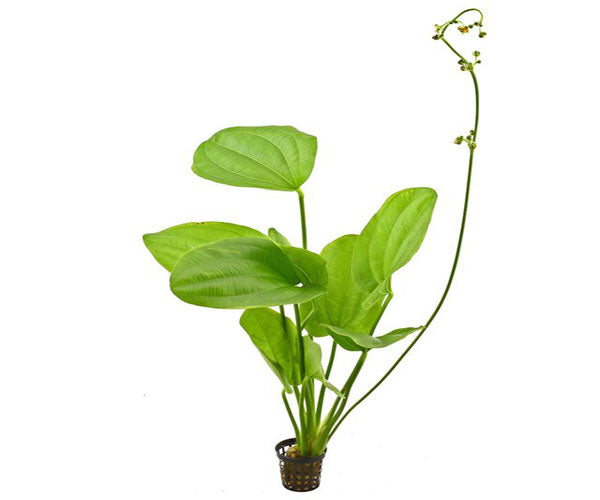
Echinodorus cordifolius, commonly known as the Radican Sword, is a broad-leaved freshwater aquarium plant native to marshes, ditches, and slow-moving freshwater across the southern United States, Mexico, and Central America. It belongs to the same Echinodorus ("sword plant") genus that gives the aquarium hobby its classic large-leaved centrepiece plants.
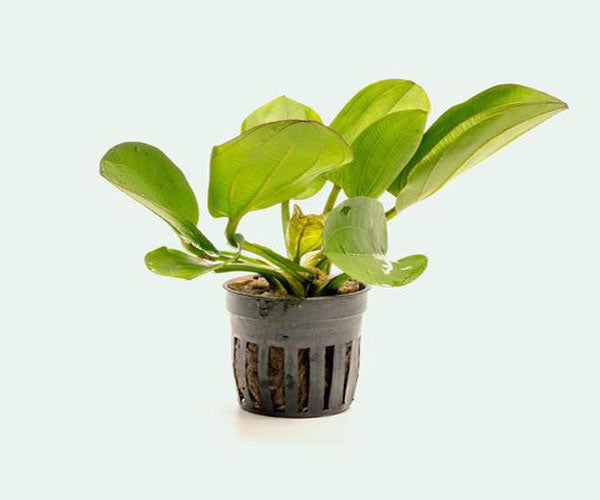
Its most recognisable feature is its broad, heart-shaped ("cordifolius" literally means heart-leaved) foliage — noticeably rounder than the narrower, lance-shaped leaves of most other sword plants. It's also one of the larger Echinodorus species, capable of growing quite tall and wide once established.
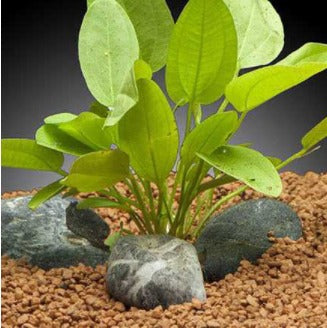
In the wild it often grows emersed along muddy banks and can even flower above the waterline; in the aquarium it's kept fully submersed, where it forms an impressive rosette that's usually used as a centrepiece rather than a background filler.
Grown emersed (partly out of water, as in a paludarium or a very shallow setup), it can produce small white flowers on a tall stalk and even generate tiny plantlets along the flower stem -- a distinctive reproductive trick shared with several other Echinodorus species. Fully submersed in a typical aquarium, it stays purely vegetative and spreads instead by sending out runners that develop into new plants nearby.
Requirements
Being a large, fast-growing sword species, the Radican Sword needs real space and steady feeding to look its best.
Tank size: a genuinely large plant at maturity, reaching up to around 50cm tall — best suited to tanks of 75+ litres rather than small or nano setups, where it will quickly outgrow the space.
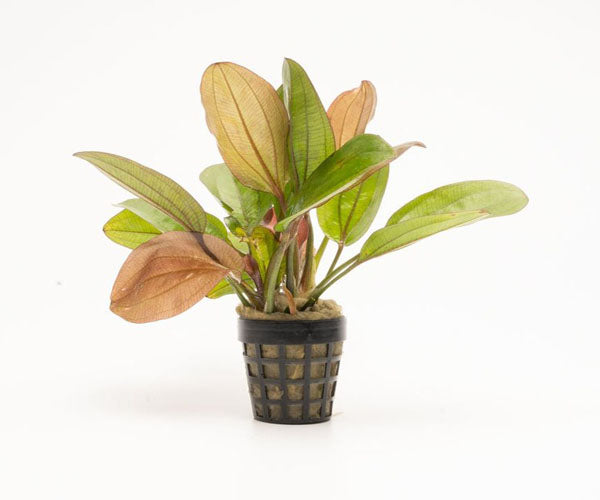
Substrate: a heavy root feeder. A nutrient-rich substrate or regular root tabs make a real difference to its size and leaf colour; in plain, unfertilised gravel it will grow more slowly and often paler.
Light: moderate to high lighting is recommended for the best growth, though it's tolerant of a range of light levels.
CO2: beneficial but not required — it grows well with or without supplementation, just faster with it.
Water sensitivity: notably intolerant of copper, which is worth knowing if using tap water or copper-based medications elsewhere in the same system.
Placement and trimming: best planted as a background or centrepiece specimen with enough clearance to spread, since crowding it against glass or other plants noticeably limits its natural growth form and eventual size. Remove yellowing or damaged outer leaves at the base as needed -- new leaves emerge continuously from the central crown over time.
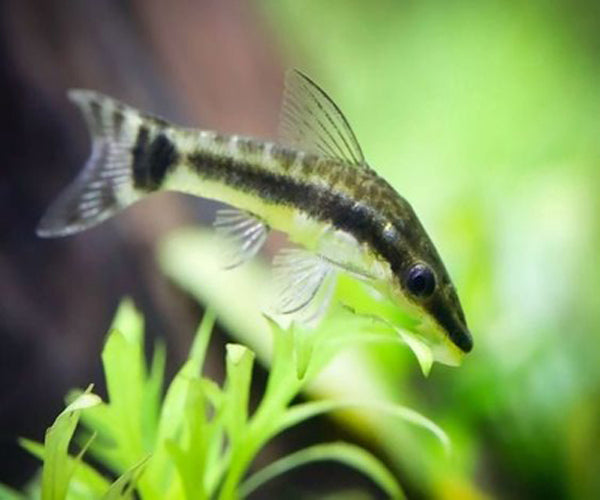
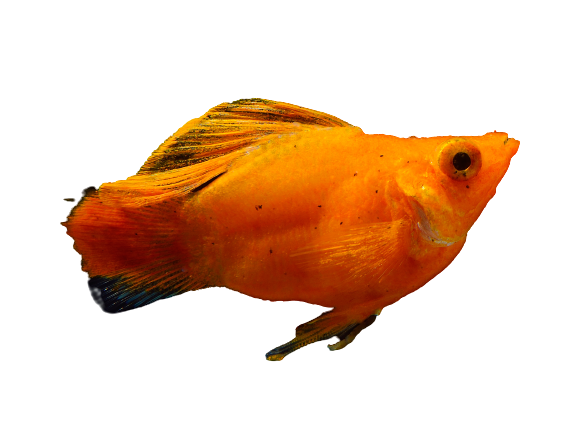
Compatibility
Water & Care Conditions
Echinodorus cordifolius grows best, and largest, within these ranges:
- pH: 6.5–7.5
- Hardness: soft to moderately hard water, roughly 3–15 dGH
- Light: moderate to high
- Temperature: 22–28°C (72–82°F)
- Water quality: sensitive to copper — avoid copper-based treatments in the same system
Outside these ranges it tends to survive but stays smaller and grows more slowly, with pale or yellowing leaves usually pointing to a lack of root nutrients rather than the water parameters themselves.
Regular root tabs or a nutrient-rich substrate matter more for this species' long-term health and size than fine-tuning water chemistry -- as a heavy root feeder, most visible problems (small leaves, pale colour, slow growth) trace back to insufficient feeding at the roots rather than water quality issues on their own, so check fertilisation levels first before adjusting other parameters.
Weekly partial water changes and a consistently stable temperature both support steady, healthy growth over the long term, and this species tolerates the occasional missed maintenance week better than more delicate, fast-growing stem plants would in the same tank. Given adequate root feeding and reasonably stable conditions, a healthy specimen keeps producing new leaves continuously for years, growing steadily larger, without ever needing to be replaced or heavily replanted.