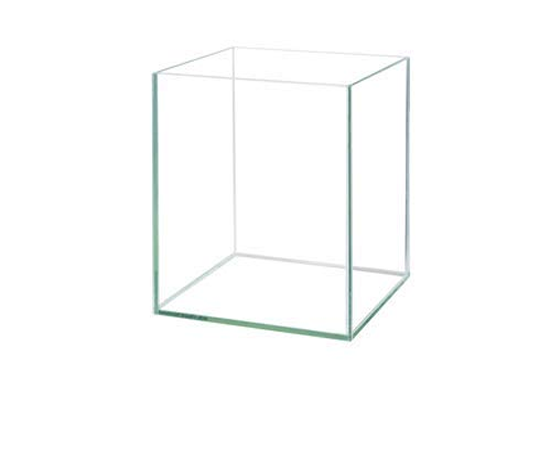
Betta tank with normal finishing
suitable for betta fish and small fishes
glass tank
easy to clean and maintain
more spacious for betta
About & Origin
A small square glass cube tank, 6×6×6 inches on each side, in a basic ("normal") edge finish rather than the polished-edge version. Six inches is about 15.2cm, which works out to roughly 3.5 litres of glass volume before accounting for substrate and decor — this is the standard "cube" style of glass betta tank, built from flat glued glass panels rather than a moulded/rounded bowl shape. The cube form factor is a popular choice specifically for bettas because it combines a compact footprint with more usable water volume than an equivalent-width round bowl.
Unlike a round bowl, a square glass tank like this gives a genuinely flat viewing surface (no distortion from curved glass) and can more easily be fitted with small equipment — a nano heater, a small sponge filter, or a tiny clip-on light — if you choose to add any.
"Normal" or "basic" finishing refers to the edge treatment of the glass panels: this version has a plainer, unpolished seam compared to the pricier polished-edge tank sold alongside it, without any difference in the actual glass thickness, volume, or structural quality. It's a purely cosmetic distinction aimed at buyers who'd rather spend a little less and don't mind a slightly less refined seam finish.
Requirements
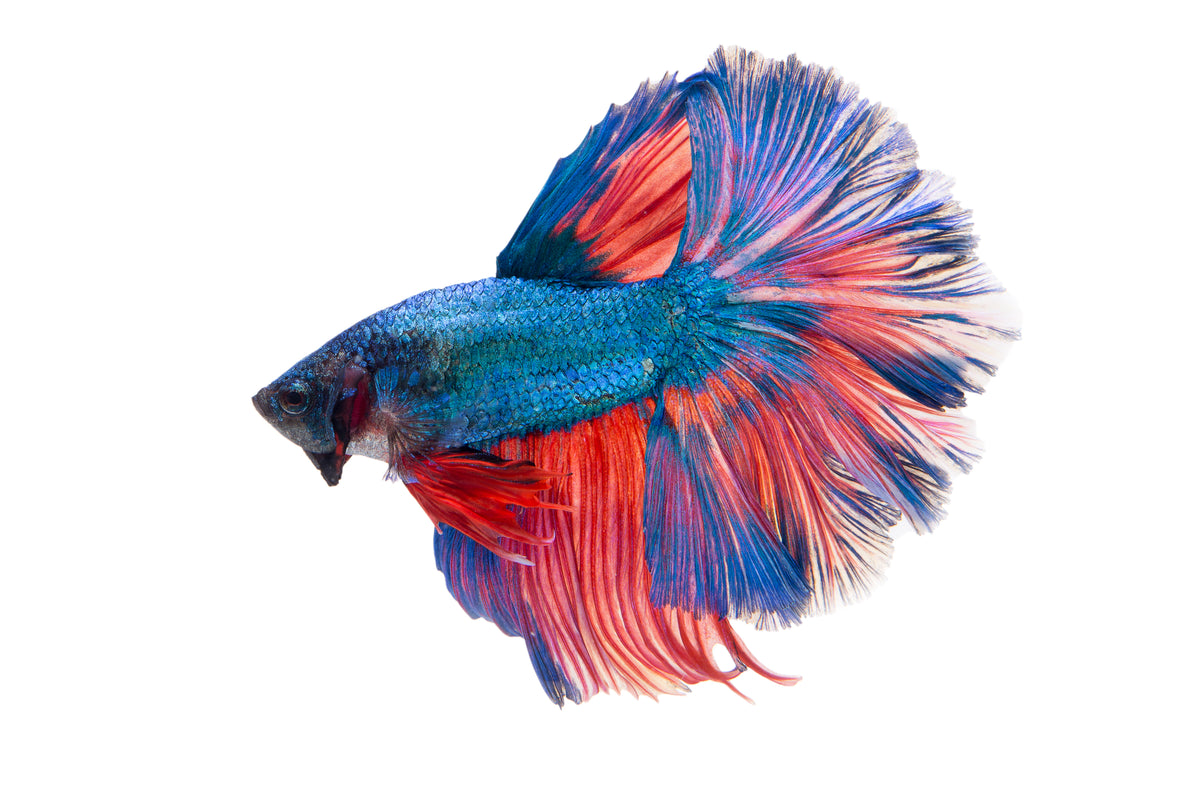
At roughly 3.5 litres, this is sized for exactly one small fish — a betta is the standard and best-suited choice for a tank this size, since bettas are naturally adapted to shallow, still water and can supplement their oxygen by breathing air at the surface. This isn't a suitable size for a community of fish or for a species that needs open swimming room, even a small one.
The tank ships as bare glass — no filter, heater, or light included — so decide upfront whether you'll run it fully bare (more frequent manual water changes) or add basic equipment. A tiny sponge filter driven by an air pump and a low-wattage nano heater are both realistic additions at this size if you want more stable water.
Place it on a level, stable surface away from direct sunlight and drafts.
Rinse the bare glass with plain water before first use — never soap or household cleaner, which leaves a residue that's harmful to fish. Fill with dechlorinated water and let it sit for a few hours to reach room temperature before adding a fish, and if running any equipment, give it a day or two of running empty first to confirm everything works as expected.
Compatibility

Setup & Maintenance
Whether you run this bare or lightly equipped changes the maintenance routine:
- Bare (no filter): partial water changes roughly 2–3 times a week, always with a dechlorinator
- With a small sponge filter: water changes can drop to about once a week once the tank is cycled, but keep testing until you're confident it's stable
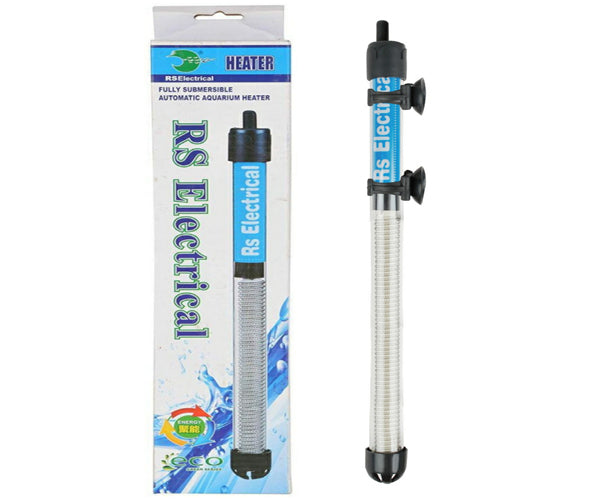
- Temperature: without a heater, a tank this small will swing with room temperature quickly; a low-wattage nano heater is worth considering if your room isn't consistently warm
- Cleaning: flat glass panels are easy to wipe with an algae pad; avoid regular household glass cleaner, which can be toxic to fish
- Seams: the basic-finish edges are structurally sound but not polished smooth — handle carefully when moving the empty tank, since a rough seam edge can be sharper to the touch than a polished one
- Weight when filled: roughly 3.5kg of water plus the tank's own glass weight — light enough for most shelves and desks, but still worth placing on a stable, level surface rather than an uneven one
- Evaporation: a small open-top tank like this loses noticeable water to evaporation over a week — top up with fresh dechlorinated water between full changes to keep the volume, and therefore the water chemistry, more stable