Customer Reviews
Goldfish Care Guide — Everything You Need to Know
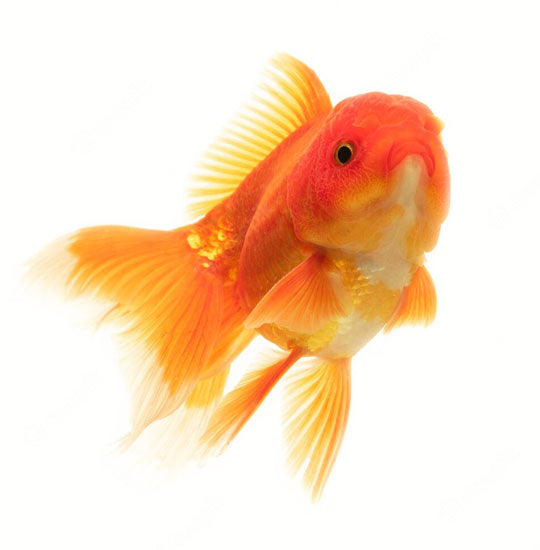
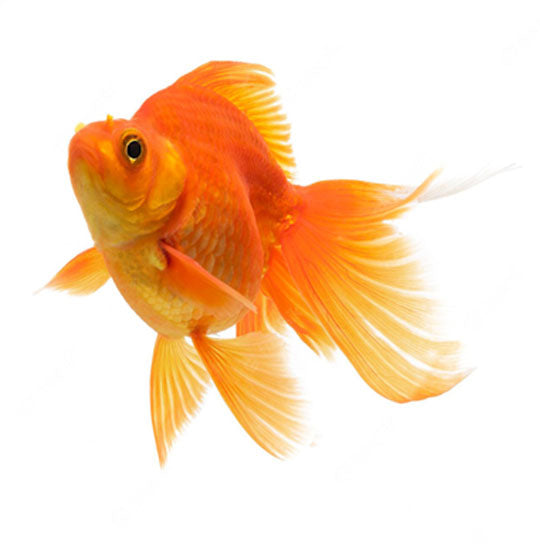
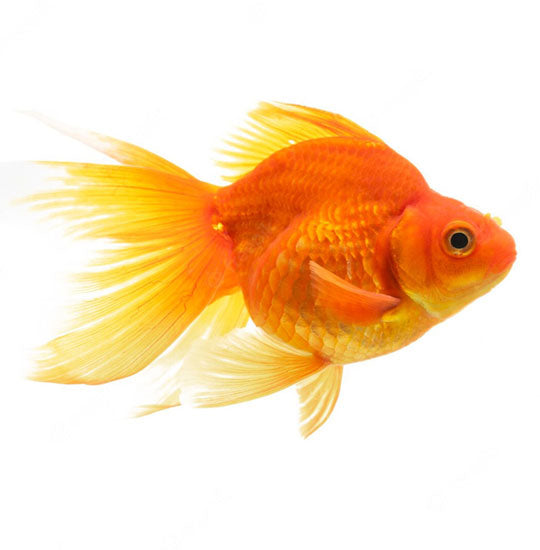
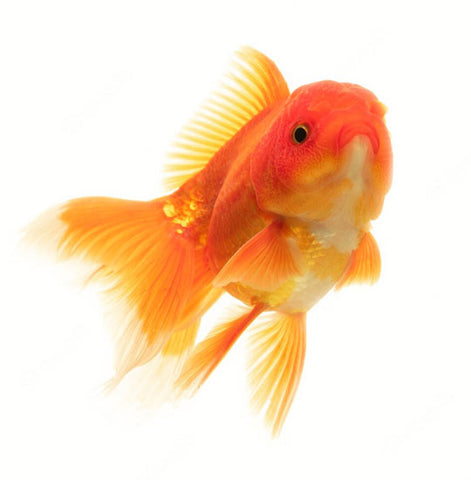
Goldfish (Carassius auratus) are the world's most widely kept freshwater fish, domesticated from wild carp over 1,000 years ago in ancient China. Today the species encompasses over 200 recognised varieties, from the streamlined Common Goldfish and torpedo-shaped Comet to the round-bodied Fancy Goldfish varieties — Oranda, Ryukin, Telescope Eye, Ranchu, and Lionhead. Despite their reputation as "starter fish," goldfish are long-lived, cold-water animals with specific tank requirements that differ significantly from tropical fish. This complete goldfish care guide covers everything a hobbyist needs — tank size, water parameters, feeding, compatible tank mates, and types. FishyKart delivers healthy goldfish across India with live arrival guarantee.
Goldfish Tank Size — The Most Common Mistake
The biggest error new goldfish keepers make is under-sizing the tank. Carassius auratus is a large, messy, high-bioload fish — not a bowl fish. Here are the correct goldfish tank size minimums:
- Single Common or Comet Goldfish: 75 litres (20 gallons) minimum; 150+ litres recommended as adults reach 25–30 cm
- Single Fancy Goldfish (Oranda, Ryukin, Ranchu): 60 litres (15 gallons) minimum; 20 gallons per additional fish
- Pond goldfish (Shubunkin, Koi-type single-tails): 1,000+ litres pond volume; these are not aquarium fish long-term
- Goldfish bowls: Not suitable for any variety — insufficient oxygen, filtration, and swimming space
Goldfish produce significantly more ammonia than tropical fish of equal size. A correctly sized tank with strong mechanical and biological filtration is non-negotiable for long-term health.
Common Goldfish vs Fancy Goldfish — Key Differences
Understanding the common goldfish vs fancy goldfish distinction is essential before choosing a variety:
- Common Goldfish (Carassius auratus auratus): Single tail, streamlined body, active swimmer. Reaches 25–35 cm in open water. Best suited to ponds or large aquaria. Hardy, tolerant of temperatures 5–25 °C.
- Comet: Like Common but with a deeply forked, elongated tail. Fast swimmer; requires space. Frequently seen in feeder goldfish tanks, but can live 15+ years when properly kept.
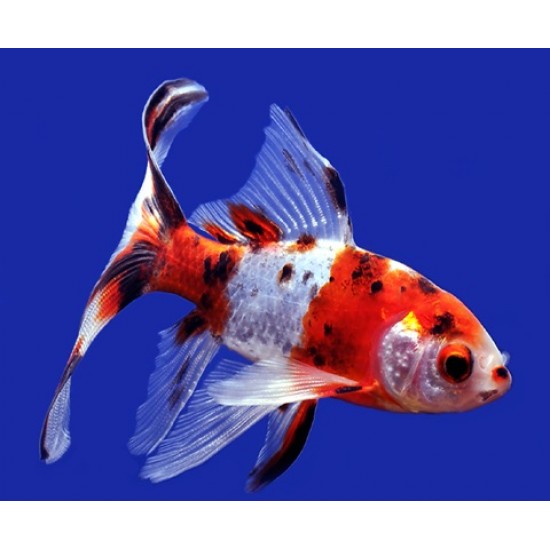
- Shubunkin: Calico colouration (red, orange, black, white, blue patches) on a single-tailed body. Hardy like Common; best in ponds.
- Fancy Goldfish (Oranda, Ryukin, Ranchu, Telescope, Lionhead, Pearlscale): Double tail, round body, slow swimmers. Require warmer water (18–24 °C), pristine water quality, and no competition from faster fish. Should never be mixed with single-tailed varieties.
Water Parameters for Goldfish
Goldfish are cold-water fish — not tropical. Goldfish care requires different temperature management than most freshwater aquarium fish:
- Temperature: 18–22 °C for Fancy varieties; 10–25 °C for Common/Comet/Shubunkin. No heater required in most Indian homes (except winter in north India)
- pH: 7.0–8.0 — slightly alkaline, matching their natural carp ancestry
- Hardness (GH): 8–12 dGH; moderate hardness beneficial for scale and bone health
- Ammonia / Nitrite: 0 ppm always — goldfish are extremely sensitive to nitrogen spikes due to their high bioload
- Nitrate: Below 20 ppm; perform 30% water changes twice weekly for goldfish tanks
- Dissolved Oxygen: High — add surface agitation or an air stone; goldfish require more oxygen than tropical fish
Goldfish Feeding Guide
Proper feeding is a critical element of goldfish care. Overfeeding is the leading cause of tank pollution and digestive problems in Carassius auratus.
- Staple food: Sinking or floating goldfish pellets (28–32% protein, low fat) — sinking pellets reduce air ingestion and swim bladder problems in Fancy varieties
- Vegetables: Blanched peas (shelled), spinach, romaine lettuce, and zucchini — beneficial for digestion, 2–3× per week
- Protein: Frozen or live daphnia and bloodworm, 1–2× per week as treats
- Feeding frequency: 2–3 small meals per day; feed only what can be consumed in 2 minutes
- Fasting: One day per week without food helps clear the digestive system and reduces swim bladder issues
Goldfish Types — Complete Overview
The Carassius auratus species includes many distinct goldfish types, each with specific care considerations:
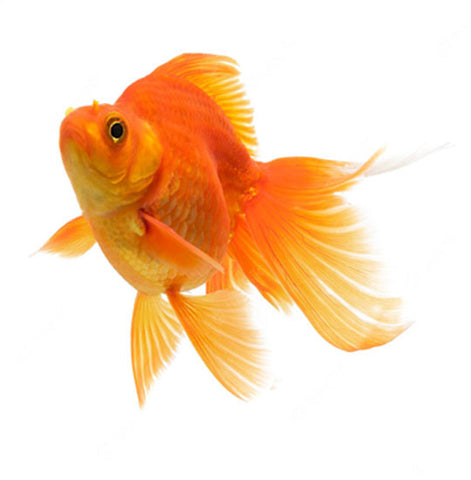
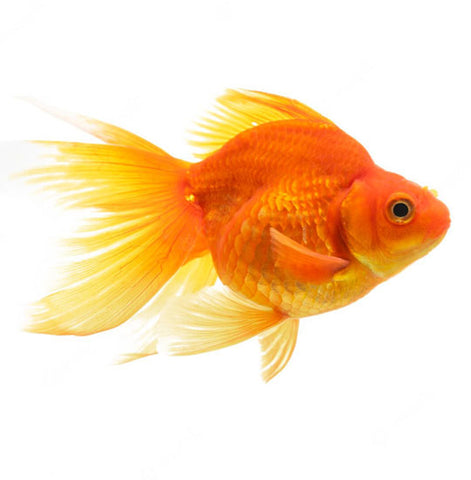
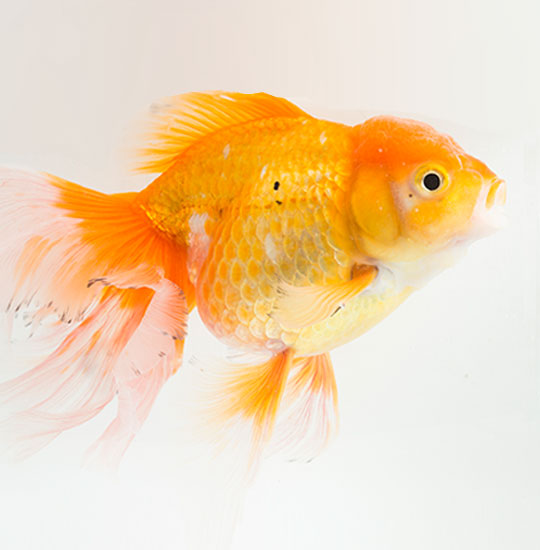
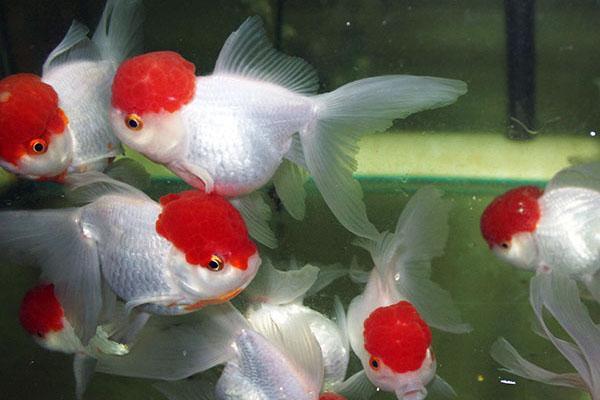
- Oranda: Large wen (fleshy head growth), double-tailed, round-bodied. Requires clean water as wen can trap debris and develop infections
- Ryukin: Pronounced dorsal hump, deep red-and-white colouration, compact round body. Hardy among Fancy varieties
- Ranchu: No dorsal fin, curved back, tucked tail — the "King of Goldfish" in Japanese Nishiki-goi tradition. Requires pristine water and a wide, shallow tank
- Telescope Eye: Protruding, spherical eyes (deme-kin). Eyes are fragile — sharp tank decorations must be avoided
- Pearlscale: Round body with domed, pearl-like scales. Most susceptible to swim bladder issues
- Common & Comet: Single-tailed, active, fast-growing. Best for ponds or very large aquaria
Why Buy from FishyKart?
FishyKart stocks a curated range of goldfish types — from standard Common and Comet goldfish to premium Fancy varieties including Oranda, Ryukin, and Ranchu. All fish are sourced from vetted breeders, quarantined for 14 days, and health-checked before dispatch. We offer live arrival guarantee with express delivery across India. Internal links: White Koi Fish | Flowerhorn Cichlid | All Live Fish.
Frequently Asked Questions
How big do goldfish get?
Common goldfish reach 25–35 cm (10–14 inches) in ponds with adequate space. Fancy goldfish varieties typically reach 15–20 cm (6–8 inches). Size is heavily influenced by tank volume — fish in small tanks experience stunted growth due to waste hormone build-up, not a biological limit on final size.
What do goldfish eat?
Goldfish eat sinking or floating goldfish pellets as a staple, supplemented with blanched vegetables (peas, spinach, zucchini) 2–3 times per week and occasional frozen daphnia or bloodworm as protein treats. Feed 2–3 small meals daily, only what they can consume in 2 minutes. Overfeeding is the most common cause of poor water quality in goldfish tanks.
Can goldfish live with tropical fish?
Goldfish should not be kept with tropical fish. Goldfish require cooler water (18–22 °C) while tropical fish need 24–28 °C — this temperature range is too warm for goldfish long-term and causes stress, disease susceptibility, and shortened lifespan. Goldfish also produce significantly more ammonia than most tropical species.
How long do goldfish live?
Common goldfish live 10–15 years in well-maintained tanks, with some pond specimens reaching 20+ years. Fancy goldfish varieties typically live 5–10 years. The world record for a captive goldfish is 43 years. Lifespan depends primarily on water quality, tank size, and diet — not luck.
What is the difference between fancy and common goldfish?
Common goldfish have a single tail, streamlined body, and are fast, active swimmers that reach 25–35 cm. Fancy goldfish have a double tail, rounded body, and are slow swimmers reaching 15–20 cm. The two types should never be mixed in the same tank — common goldfish outcompete fancy varieties for food and can injure them.
How often should I change goldfish tank water?
Goldfish tanks require 25–30% water changes twice per week due to the high bioload these fish produce. In heavily stocked tanks or smaller volumes, more frequent changes may be necessary. Test ammonia and nitrite weekly — if either reads above 0 ppm, perform an immediate 50% water change and investigate filtration capacity.
About & Origin
The Goldfish, Carassius auratus, is one of the oldest domesticated ornamental fish in the world, bred in China from the wild Prussian carp over a thousand years ago and refined into dozens of body shapes and colour forms since — from the slim, fast "Common" and "Comet" types to rounder, fancier double-tailed varieties. It's a coldwater member of the carp family, not a tropical fish, and this single fact shapes almost everything about how it should actually be kept.
Goldfish are long-lived when kept well — a genuinely healthy Common or Comet goldfish can live 10–20+ years — and grow considerably larger than their common reputation as a "small bowl fish" suggests; slim-bodied varieties regularly reach 20–30 cm (8–12 inches) with enough space and time. They are also messy, active grazers that produce a lot of waste relative to their size, which is the main reason undersized housing so often leads to poor water quality and a shortened lifespan.
Despite the popular image of a goldfish alone in a small bowl, they are genuinely intelligent, social fish capable of recognising their owner and learning simple routines, and they do best in a proper, well-filtered aquarium or pond kept alongside other goldfish for company rather than in isolation.
The huge diversity of goldfish varieties available today — from the streamlined Comet to bubble-eyed, telescope-eyed, and other elaborately fancy forms — is entirely the product of centuries of selective breeding for ornamental traits, not natural variation. Some of the more extreme fancy varieties carry real physical trade-offs from that breeding (reduced swimming ability, vision limitations) worth knowing about before choosing a specific type.
Goldfish continue growing throughout their lives at a rate influenced heavily by tank size and water quality — a fish kept in cramped, poorly maintained conditions doesn't simply "stay small" harmlessly, it's typically stunted, a stressed and shortened-lifespan state rather than a benign space-saving outcome, which is worth knowing since this misconception is common and directly harms the fish.
Requirements
Goldfish have a poor popular reputation for a short lifespan almost entirely because they're so commonly kept in far too little space for far too long — the fish itself is genuinely hardy and capable of a long, healthy life when housed properly from early on.
Tank size: a single slim-bodied goldfish (Common/Comet/Shubunkin) realistically needs a minimum of around 100–150 litres (25–40+ gallons) once grown to adult size, with considerably more volume needed for a group or for longer-term stocking as the fish continue growing over years — a small bowl or nano tank is not a suitable long-term home for this species at any life stage past the very earliest. Fancy, rounder-bodied varieties (Oranda, Ranchu, and similar) need somewhat less open swimming room than the slim varieties but still require far more space than a bowl can ever provide.
Filtration: goldfish are notably heavy waste producers relative to their body size — strong biological filtration, generous filter capacity relative to tank volume, and regular partial water changes matter considerably more here than for most tropical community fish of a similar size.
Temperature: as a genuine coldwater fish, goldfish generally do NOT need — and shouldn't be kept permanently at — tropical community-tank temperatures; a heater is normally unnecessary for goldfish except to prevent extreme cold in an unheated room during winter.
Diet: omnivorous grazers by nature — a good-quality goldfish-specific pellet or flake as a daily staple, with occasional vegetables (peas, blanched leafy greens) and live or frozen treats for variety; goldfish will beg almost constantly regardless of how recently they were fed, but are genuinely prone to overeating and related digestive problems, so portion control matters more than their behaviour would suggest.
Compatibility
Water & Care Conditions
Goldfish need distinctly different conditions from most other fish on this site — this is a coldwater species, not a tropical one:
- pH: 6.5–8.0 — fairly tolerant, but stable water matters more than hitting an exact number
- Hardness: moderate to hard, roughly 8–25 dGH; goldfish generally do well in harder water than many tropical fish
- Temperature: 10–24°C (50–75°F) — genuinely a coldwater fish; sustained tropical temperatures above the mid-20s°C stress goldfish and shorten their lifespan over time
- Oxygenation: goldfish appreciate well-oxygenated, well-filtered water given how much waste they produce — strong surface agitation and turnover help keep up with their bioload
Because of their heavy waste output, water testing and a consistent water-change schedule matter noticeably more for goldfish than for most similarly-sized fish — a "set and forget" approach to stocking and maintenance is one of the most common underlying causes of poor health, stunted growth, and shortened lifespan in this species, even when the fish themselves seem outwardly fine for a while.
A weekly partial water change of 25-30% is a reasonable baseline for a well-stocked goldfish tank, with the exact frequency adjusted upward for a more heavily stocked setup or downward for a lightly stocked, well-planted one. A pond, where volume and natural filtration are both far greater, is generally the better long-term home for slim-bodied varieties that will reach full adult size, and is worth genuinely considering as the fish grows rather than continually upgrading tank after tank.
Live or hardy artificial plants both work well in a goldfish setup, though be aware that goldfish are enthusiastic diggers and grazers and will happily uproot or shred many soft-leaved live plants — tougher species (Anubias, Java Fern) or artificial decor tend to hold up better against typical goldfish behaviour than a delicate planted aquascape.