About & Origin
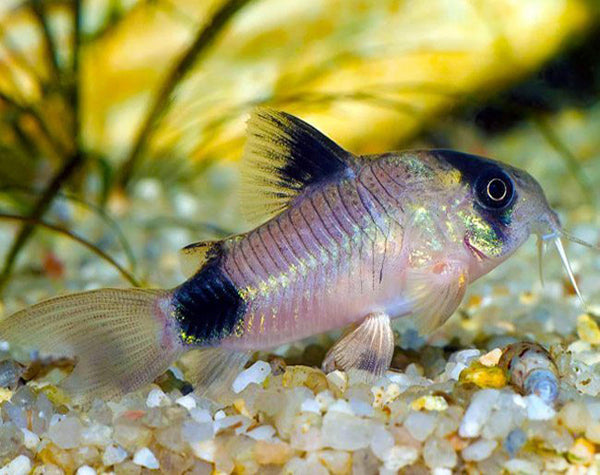
The Panda Cory (Corydoras panda) is a small, armoured catfish that gets its name from the bold black patches over its eyes and at the base of its tail, set against a pale cream-pink body -- a pattern reminiscent of its namesake. It comes from the cooler, clearer headwater streams of the upper Amazon basin in Peru, particularly the Ucayali river system, at higher elevation than most of its lowland relatives.
That origin matters: Panda Corys naturally live in cooler, well-oxygenated, fast-flowing water over sand and fine gravel, quite different from the warm, sluggish floodplain water many other corydoras call home. They forage in tight groups, sifting the substrate constantly for small invertebrates and organic debris using their sensory barbels.
They're one of the smaller, more delicate-looking corydoras, and while hardy once settled, they're noticeably less tolerant of warm water than species like C. aeneus.
Panda Corys were first described relatively recently (1968) and quickly became one of the most popular corydoras in the hobby thanks to their striking, easily recognisable markings and manageable adult size, rarely exceeding 5cm. Most stock sold today is captive-bred, which suits the species well since farm-raised fish are typically already acclimated to a stable, moderate temperature rather than needing to adjust from cool wild headwater conditions.
Like other corydoras, Pandas can gulp atmospheric air at the surface as a backup to gill respiration, an adaptation to the periodically oxygen-poor conditions some wild corydoras habitats experience -- though Panda Corys' own headwater streams are typically well-oxygenated, so this behaviour is seen less often in this species than in floodplain-dwelling relatives.
Visually, Panda Corys are sometimes confused with other black-marked corydoras at a glance, but the combination of the black "eye mask," the black tail-base patch, and an otherwise pale, unmarked body is fairly distinctive once you know what to look for. Their peaceful, unhurried foraging style and constant gentle activity along the substrate also makes them one of the more genuinely entertaining bottom-dwellers to simply watch, rather than a fish that mostly hides.
Requirements
Panda Corys are easy to keep well as long as their cooler-water origin is respected -- the most common mistake is keeping them too warm.
Temperature discipline: unlike many tropical corydoras, pandas do best on the cooler side of typical community-tank temperatures; running them warm shortens their lifespan and increases disease susceptibility.
Substrate: fine sand is ideal -- their barbels are sensitive and sharp gravel will damage them over time.
Group size: keep at least 6; panda corys are strongly shoaling and noticeably more confident and active in a proper group.
Tank size: comfortable from around 60cm/24 inches upward.
Diet: sinking catfish pellets or wafers, plus occasional bloodworm or daphnia.
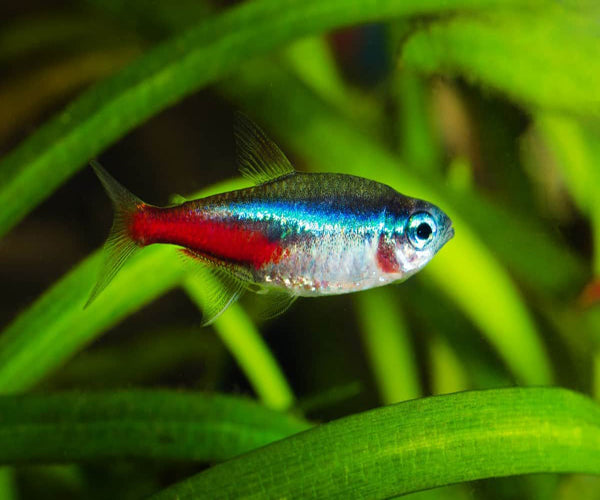
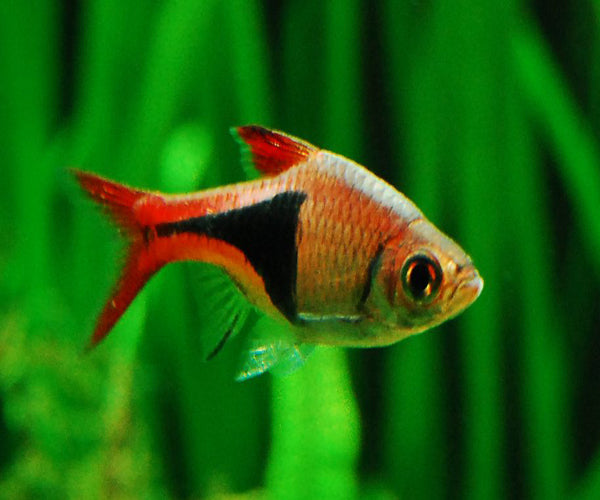
Tankmate temperature compatibility: the biggest planning challenge with this species is that it needs cooler water than many popular tropical community fish -- good pairings are cool-tolerant species (White Cloud Mountain Minnows, some rasboras) or a tank simply kept at the lower end of a general "tropical" range rather than pushed toward 27-28°C for heat-loving centrepiece fish.
Breeding: achievable at home with a well-conditioned group and a cooler water change to simulate rainfall, similar to other corydoras, though the species' cooler-water preference makes it a slightly less forgiving breeding project for beginners than the hardier C. aeneus. Fry can be reared on crushed flake and microworms once free-swimming.
Acclimation: a slow drip acclimation is especially important for this species given its narrower temperature comfort zone -- a rapid temperature shift is more likely to stress Panda Corys than many hardier corydoras.
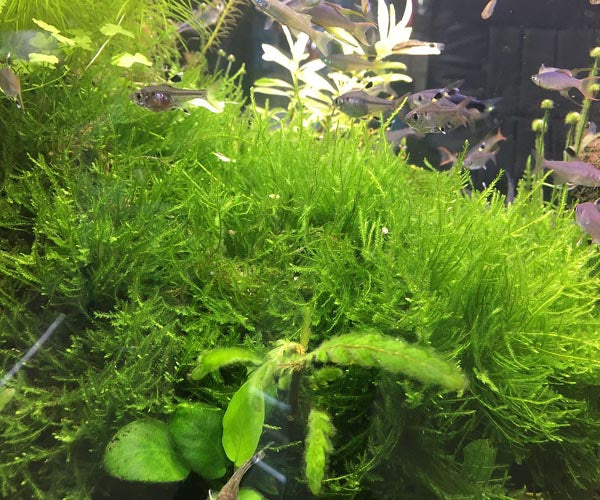
Décor: driftwood, smooth rounded rocks, and some dense low planting give this shoaling, substrate-foraging species places to explore and rest between active bursts without adding any sharp edges near the sand layer.
Compatibility

Water & Care Conditions
Panda Corys are more particular about temperature than most corydoras, which is the main thing to get right.
- pH: 6.0–7.5
- Hardness: soft to moderately hard, roughly 1–12 dGH
- Temperature: 20–24°C (68–75°F) -- noticeably cooler than most tropical community tanks; avoid pairing them long-term with fish that require high-20s°C heat
- Oxygenation: appreciates good flow and well-oxygenated water, consistent with their fast-stream origin
If your tank is set up as a warm tropical community (upper 20s°C) for other fish, Panda Corys are not the right cory species for it -- consider a warmer-tolerant species like C. aeneus instead.
Barbel condition is a useful ongoing health check for this species too -- fine, smooth sand rather than gravel is genuinely important, and shortened or frayed barbels are usually the first visible sign that substrate is too abrasive. Watch for the same nitrate sensitivity seen across the corydoras group: consistently elevated nitrate is a common hidden cause of lethargy even when temperature and pH look correct on paper.
Weekly partial water changes with dechlorinated water at a matched or slightly cooler temperature help maintain the stable, clean conditions this species needs, and also mimic the seasonal cooling that can trigger breeding behaviour. Avoid copper-based medications, as with most scaleless catfish, since Panda Corys lack the protective scales that give many fish more tolerance of it.
A gentle sponge or hang-on-back filter with reasonable but not excessive flow suits this species well, keeping water clean and oxygenated without buffeting the fish as they forage low in the water column.
A weekly 20-30% water change is a solid baseline, and because this species is more temperature-sensitive than most, a reliable heater/thermostat (or a stable unheated room, if appropriate) matters more here than for hardier tankmates.