About & Origin
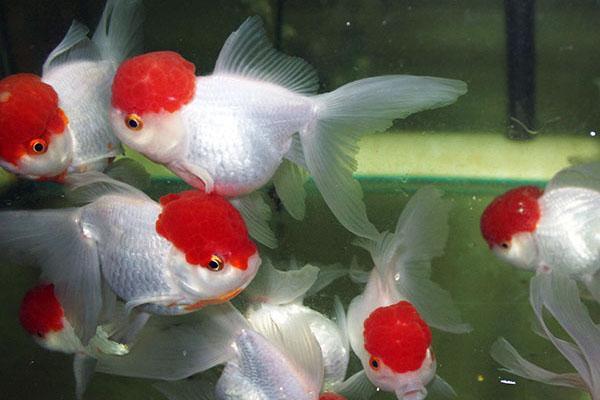
Goldfish (Carassius auratus) are a domesticated form of the wild Prussian carp, first bred in China over a thousand years ago and refined into hundreds of ornamental varieties since -- the red cap oranda, with its characteristic red wen capping a white body seen here is one of many 'fancy' goldfish strains bred for body shape and headgrowth rather than the streamlined 'common' goldfish body.
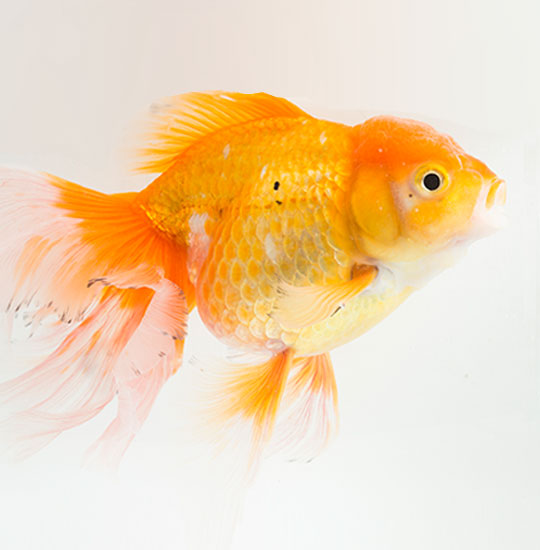
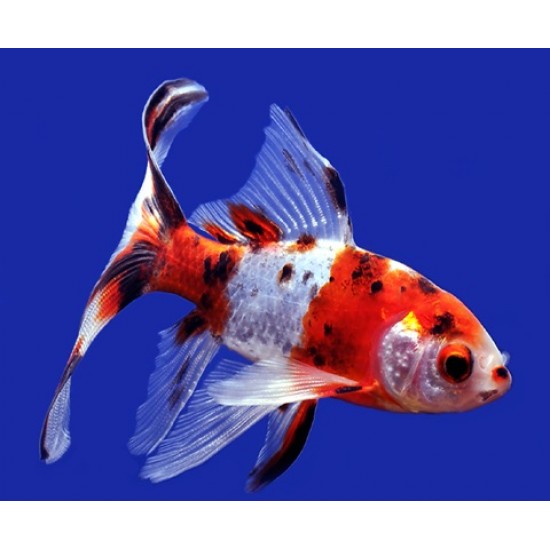
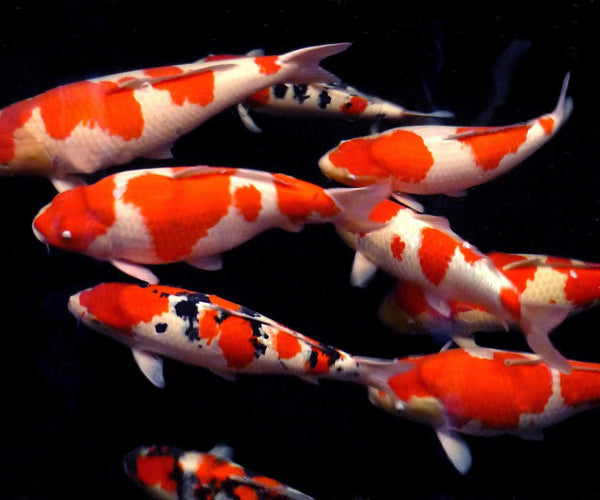
As a fancy variety, this fish typically has a shortened, rounded body and, depending on the strain, an enlarged fleshy head growth (wen), both of which trade some swimming speed and agility for its ornamental appearance -- it's generally a slower, less athletic swimmer than single-tailed goldfish or koi.
Goldfish are coldwater fish by origin, descended from a temperate carp, and have real biological differences from tropical community fish that matter for their care.
The red cap oranda specifically pairs a clean white body with a bold, contained patch of red across the wen (headgrowth), a colour combination that's remained one of the most consistently popular fancy goldfish patterns for decades precisely because the contrast reads so clearly even at a distance. The wen itself continues developing for the first two to three years of the fish's life, so a young red cap's headgrowth will fill out and become more pronounced well after purchase.
Requirements
Goldfish produce a lot of waste relative to their size and need generous space and strong filtration -- a single fancy goldfish is comfortable from around 75-100 litres (20-25 gallons), with more for each additional fish, not the small bowls goldfish are stereotypically (and unsuitably) kept in.
Fancy varieties with a wen or rounded body are slower and less manoeuvrable than sleeker fish, so they do best with similarly slow, non-competitive tankmates -- fast or nippy fish can outcompete them for food or damage their headgrowth and fins.
They're easy, food-motivated omnivores -- a quality goldfish-specific pellet or flake as a staple, with blanched vegetables and occasional live or frozen food for variety. Overfeeding is the more common risk than underfeeding.
Décor: avoid sharp-edged rocks or ornaments that could injure a wen as it develops, and keep gravel size large enough that it can't be accidentally swallowed while foraging along the substrate. Goldfish are enthusiastic diggers and grazers, so live plants often need to be tough, well-rooted species or kept potted to survive.
Filtration: given how much waste even a single fancy goldfish produces, filtration rated well above the tank's stated volume is standard practice rather than overkill. Their reduced swimming agility also means slower-moving, non-competitive tankmates suit them far better than fast, food-grabbing community fish.
Compatibility
Water & Care Conditions
As a coldwater carp, goldfish have real differences from tropical community fish, most importantly around temperature and waste load:
- pH: 7.0–8.4
- Water hardness: moderately hard to hard, 8–25 dGH
- Temperature: 18–23°C (64–74°F) -- a true coldwater fish, does not need or particularly want tropical heating
- Oxygenation: high bioload for its size -- strong filtration and good aeration matter more than for most fish this size
Weekly water changes of 25-30% keep pace with a fancy goldfish's substantial waste output, and stable, cool-to-moderate temperatures suit this coldwater species far better than the warmer end of a typical tropical community setup. Well-kept fancy goldfish are genuinely long-lived, commonly reaching 10-15 years and sometimes considerably longer, making this a real long-term commitment rather than a short-lived starter fish. Watch for the wen developing unevenly, clamped fins, or reduced appetite as general early signs to check water quality before assuming disease. Ammonia and nitrite should read zero once cycled, and cycling errors are the single most common cause of unexplained goldfish losses in new setups. A properly cycled tank, generous filtration, and consistent weekly maintenance together prevent the great majority of health problems this species is prone to, well before more targeted treatment is ever needed.