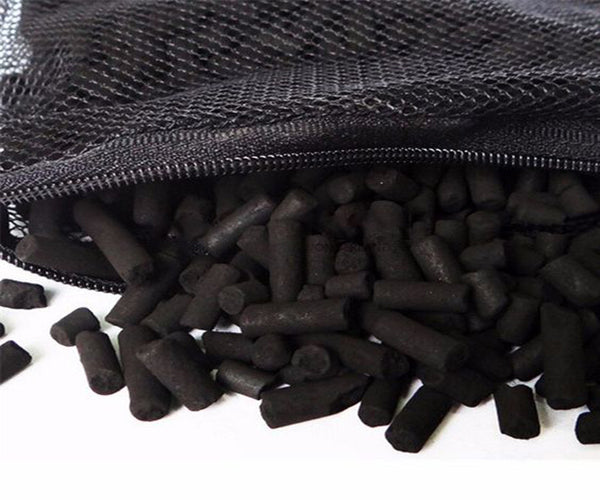
About & Function
Activated carbon (charcoal) is a chemical filter media — carbon that's been processed to be riddled with microscopic pores, giving a small volume of it an enormous internal surface area. As tank water passes through, dissolved organic compounds, discoloration (tannins), medication residues, and many odor-causing molecules physically adsorb onto that surface and are pulled out of the water column, on top of whatever mechanical/biological filtration your setup already provides.
This particular pack combines activated charcoal with ceramic filter rings in one media kit. The ceramic rings serve a completely different purpose to the carbon: their porous fired-clay structure is built to host beneficial nitrifying bacteria, adding biological filtration capacity (the same ammonia-to-nitrite-to-nitrate conversion process every cycled tank relies on) rather than chemical adsorption.
Together, a single media pack gives a filter chemical polishing (clearer, less yellow-tinted water, reduced odors) and extra biological surface area, making it a convenient all-in-one top-up for a filter's media compartment.
It's especially useful right after a driftwood addition (which leaches tannins that tint water tea-brown), after treating with medication (to strip out residues once the course is finished), or simply as ongoing insurance against a slightly "off" smell in a heavily-stocked tank. It won't replace biological or mechanical filtration, and it does nothing for ammonia/nitrite/nitrate on its own beyond what the ceramic rings' bacteria colony handles — it's a polish layer on top of a filter that's already doing the main job.
Requirements
Fully passive — no power of its own, it needs to sit inside an existing powered filter (internal, hang-on-back, or canister) so water is actually driven through it.
Load it into a mesh media bag or the dedicated chemical-media compartment of your filter housing if it has one; loose carbon dust should not be dumped directly into an open filter chamber where it can escape back into the tank.
Activated carbon is chemically "used up" over time as its pore surfaces saturate with adsorbed compounds — unlike biological media, it is not something you clean and reuse indefinitely; it needs periodic replacement (see below). It will also strip out medication from the water, so remove carbon media before dosing the tank with fish medicine and only put fresh carbon back in afterwards.
As a rough dosing guide, aim for roughly a small handful (loosely, 1-2 tablespoons of loose media) per 40-50 litres of tank water in the media compartment — more isn't harmful, it just saturates and needs replacing on the same schedule regardless of quantity. Give the media a quick rinse under tap water before loading it in; both the charcoal and the ceramic rings shed a fine dust straight out of the packet that will otherwise cloud the tank briefly on first startup.
Compatibility
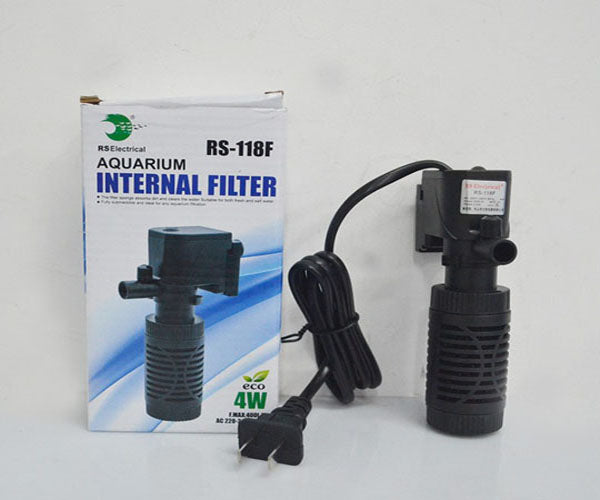
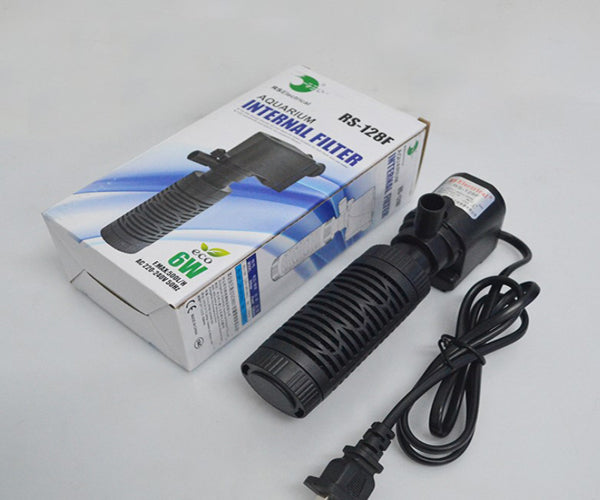
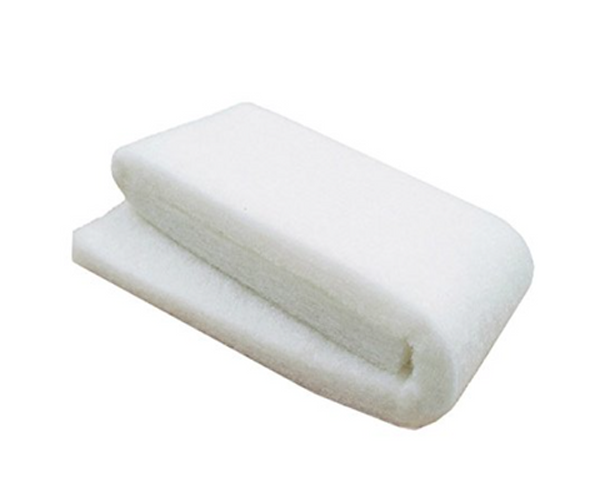
Specifications & Maintenance
Real-world specifications and upkeep — neither component needs any special handling beyond a rinse and a replacement schedule, but getting the timing right matters more than people expect:
- Contents: activated charcoal (chemical media) plus ceramic filter rings (biological media)
- Power: none — passive media, requires an existing powered filter for water flow
- Carbon lifespan: typically 3-4 weeks of active adsorption before it saturates and stops removing anything further from the water — replace the charcoal portion on that rough schedule rather than leaving it in indefinitely
- Ceramic ring lifespan: much longer — rinse gently in removed tank water when flow slows and reuse for months, since it's just carrying bacteria, not adsorbing anything
- Before medicating: remove carbon media from the filter first, since it will actively strip dissolved medication out of the water and blunt the treatment
- Storage: keep any unused portion sealed and dry — activated carbon left open to humid air slowly adsorbs moisture and airborne compounds, reducing the pore capacity it has left for your tank water
- Signs it's spent: water odor or discoloration returning, or algae/haze creeping back despite otherwise stable parameters, both suggest the carbon has saturated and it's time to swap it out for a fresh portion